
FCC repeals 39% TV ownership cap, paving way for media consolidation
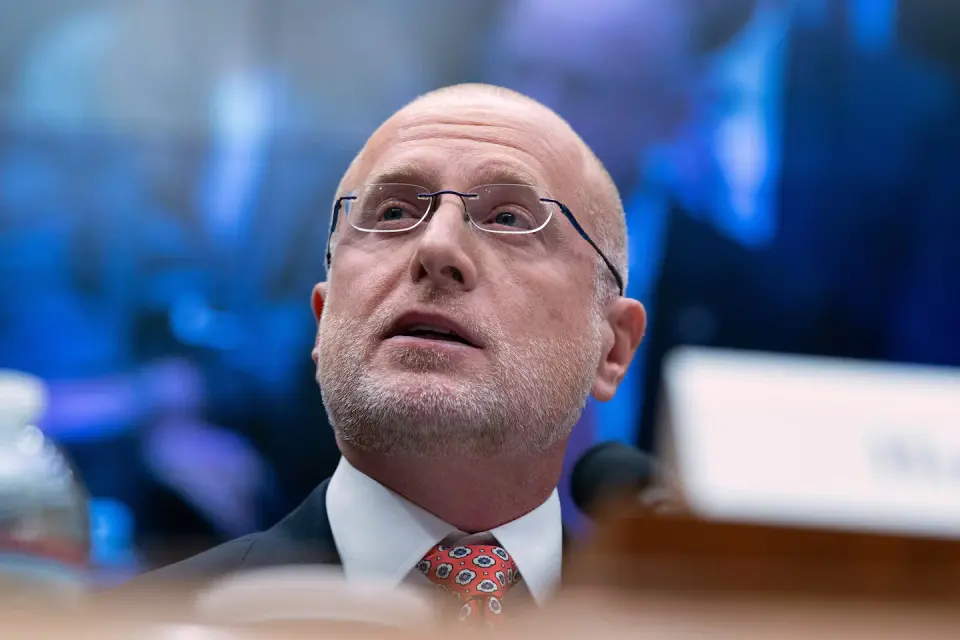
The Federal Communications Commission voted 2-1 to eliminate the 39% national cap on TV station ownership, replacing it with case-by-case reviews. This deregulatory move, championed by Chairman Brendan Carr, benefits major broadcasters like Nexstar and Sinclair but faces immediate legal challenges from critics who argue only Congress can alter the rule.
Key points
- The FCC voted to remove the 39% national audience reach cap, a rule in place since 2004 that limited a single company's reach to US TV households.
- Chairman Brendan Carr and Republican commissioner Olivia Trusty voted to repeal the cap, while Democratic commissioner Anna Gomez voted against it, calling the action 'unlawful on its face.'
- The new policy replaces the strict cap with a case-by-case review process, granting the FCC more discretion over local TV station deals.
- Major broadcasters like Nexstar and Sinclair welcomed the decision, arguing it allows local stations to compete with tech giants like Netflix and YouTube.
- Critics, including the advocacy group Free Press and Senator Elizabeth Warren, argue the move accelerates media consolidation and violates congressional authority, with Free Press vowing to sue.
- The decision impacts the pending $6.2 billion Nexstar-Tegna merger, which faces a federal injunction but had previously received a waiver from the FCC.
Background
The 39% national cap was established by Congress in 2004, raising a previous 35% limit set in the 1990s. In July 2026, the FCC announced plans to vote on repealing this cap, with Chairman Carr arguing that streaming services have rendered the rule obsolete. The agency had previously granted a one-time waiver to allow the Nexstar-Tegna merger, despite legal challenges from state attorneys general. This vote follows a series of deregulatory moves by the FCC, including changes to equal time rules and speech policies, under Carr's leadership.
How outlets are covering it
The Washington Post and NBC News frame the vote as a major deregulatory step that benefits large media conglomerates, noting that the cap was codified in federal law. CNN emphasizes the political alignment of the beneficiaries, stating the repeal is a win for Trump-aligned broadcasters like Sinclair and Nexstar. The Guardian highlights the opposition from press freedom advocates, such as Reporters Without Borders, who argue the move erodes media pluralism. Carr argues the cap is outdated and harms local broadcasters, while Gomez and critics contend that only Congress has the authority to change the cap and that the repeal will lead to excessive consolidation and job cuts.
Why it matters
The repeal of the 39% cap removes a key barrier to media consolidation, potentially allowing a few large companies to dominate local TV markets. This could reduce viewpoint diversity and local news coverage, as national programmers gain more control over local stations. The legal challenges and political pushback indicate a significant battle over the future of media regulation in the US, with implications for the balance of power between the FCC and Congress.
What to watch
The advocacy group Free Press and its allies plan to challenge the FCC's decision in court. The legal battle will likely center on whether the FCC has the statutory authority to repeal a cap set by Congress. Meanwhile, major broadcasters like Nexstar and Sinclair are expected to pursue further mergers and acquisitions, taking advantage of the new case-by-case review process. The outcome of the pending Nexstar-Tegna merger, which faces a federal injunction, will also be influenced by this decision.
- FCC lifts the cap limiting the size of TV broadcasting companies The Washington Post
- FCC repeals national TV ownership cap, a win for Trump-aligned broadcasters CNN
- Federal Communications Commission scraps limit on broadcast TV ownership NBC News
- FCC Votes to Repeal National TV Ownership Limit WSJ
- FCC scraps limit on local TV ownership in win for media conglomerates The Guardian
Want the full story? Read the original reporting
Read on The Washington Post