
Denver’s Cable Center Museum Adapts as Industry Collapses
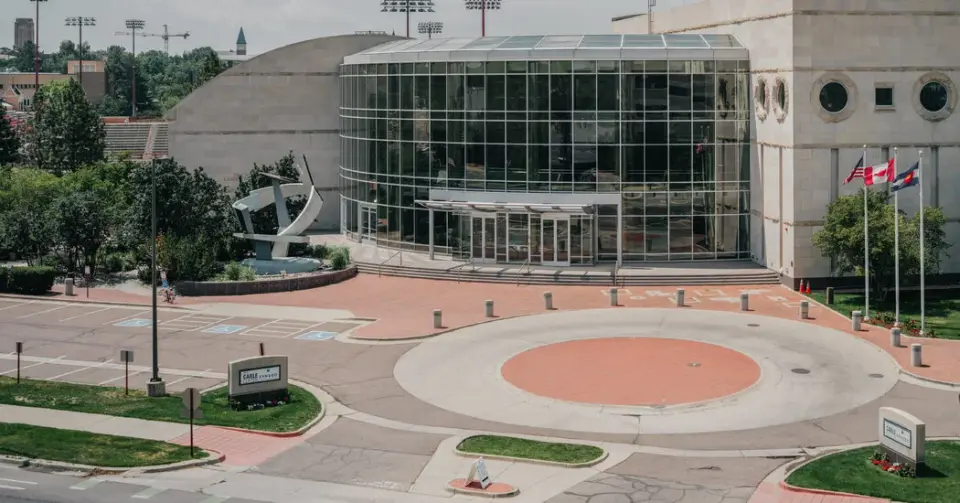
The Cable Center in Denver, originally built as a shrine to the power and prestige of cable television, is now adapting its mission as the industry declines. The facility, which houses artifacts like an MTV Moonman trophy and a 'Sex and the City' stiletto phone, was constructed when executives declared cable the future. Now, facing the mass cancellation of subscriptions, the institution is redefining its role in a media landscape dominated by streaming and alternative display technologies.
Key points
- The Cable Center in Denver features a modern glass exterior and a three-story tower displaying live feeds from dozens of cable networks.
- The museum houses cultural artifacts including an MTV Moonman trophy, a 'Sex and the City' stiletto-shaped telephone, and a 'Sopranos' branded macaroni box.
- The facility was established to celebrate the popularity and prestige of cable TV, which included networks like MTV, HBO, and Nickelodeon.
- An industry executive stated 'Cable is the future' shortly before the construction of the center.
- The institution is currently changing its approach as cable fortunes have waned and consumers have cut the cord.
Background
This development follows a broader trend of consumers abandoning traditional cable subscriptions in favor of streaming services and new display technologies. Recent coverage has highlighted the rise of large short-throw laser projectors at IFA 2026, which offer 4K resolution and large screen sizes at lower costs than traditional TVs, further driving the shift away from cable-centric viewing habits. Additionally, the media landscape has seen significant disruptions, such as the cancellation of major film projects like Wonder Woman 3 due to studio leadership changes, indicating a volatile environment for traditional content distribution models.
Why it matters
The transformation of the Cable Center illustrates the structural shift in the media industry from a centralized cable model to a fragmented, on-demand ecosystem. As physical artifacts of cable culture are preserved, the institution's pivot reflects the broader obsolescence of the cable business model, signaling how cultural institutions must adapt to survive in a post-cable world.
What to watch
The Cable Center is expected to continue evolving its programming and exhibitions to remain relevant in a market where cable subscriptions are no longer the primary method for accessing television content. The focus may shift toward documenting the history of cable while engaging with current media consumption trends.
Want the full story? Read the original reporting
Read on The New York Times