
Fired 60 Minutes Editor Accuses CBS of Ideological Takeover
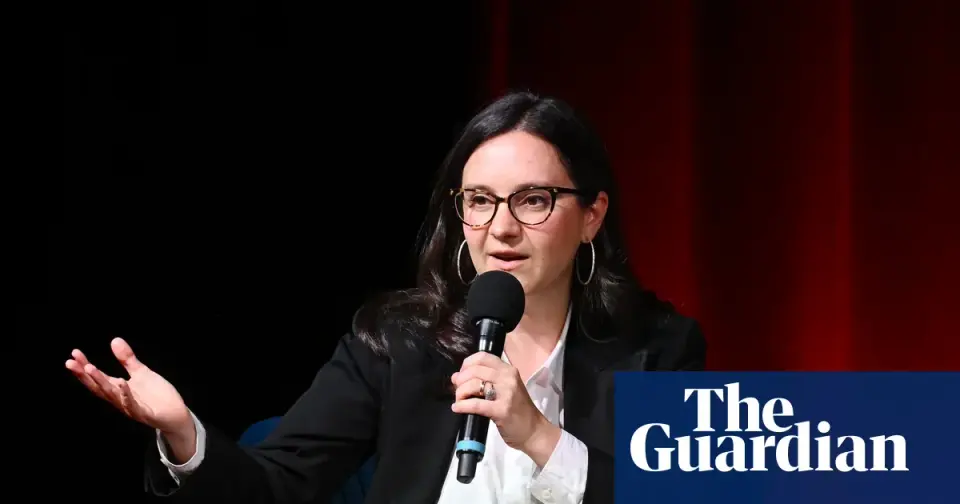
Guy Campanile, the former managing editor of 60 Minutes, publicly accused CBS News of firing him and seven other senior staff in May because they refused to compromise editorial independence. In a Facebook post, Campanile claimed the network prioritized corporate and ideological goals over journalistic integrity, specifically citing pressure to include White House talking points and conduct administration-arranged interviews. He criticized the new leadership, including editor-in-chief Bari Weiss, for replacing experienced journalists with anchors chosen for appearance rather than depth. CBS News declined to comment, maintaining that editorial decisions are standard business practices.
Key points
- Guy Campanile, who spent 34 years at CBS, stated he and colleagues Tanya Simon, Draggan Mihailovich, Matthew Polevoy, Scott Pelley, Sharyn Alfonsi, and Cecilia Vega were dismissed for refusing to act as 'accomplices' in the show's decline.
- Campanile alleged that management pressured reporters to insert 'unverifiable notions' and White House talking points into stories, and objected to interviews arranged by the administration.
- The former editor criticized the new CBS News leadership for hiring influencers and opinion writers, such as Bari Weiss, who he described as lacking field experience in war or poverty.
- Campanile mocked the network's focus on 'exceptional haircuts' and shallow experience, a comment sources suggest refers to new hires like Tony Dokoupil and Matt Gutman.
- The firings occurred in May, following a broader overhaul of 60 Minutes under new executive producer Nick Bilton and editor-in-chief Bari Weiss.
- Campanile urged remaining CBS staff to 'hold the line' against what he called a cascade of afflictions devaluing trusted news sources.
Background
This dispute follows a series of high-profile departures from CBS News in 2026, including the May firings of key 60 Minutes figures. In August, reports emerged that former producer Bill Owens was planning a rival current-affairs program featuring the ousted talent, potentially backed by major streamers. The controversy also coincides with Norah O'Donnell's return to CBS Mornings as a co-host, part of a broader network reshuffle aimed at boosting ratings against competitors like NBC and ABC. The current conflict mirrors earlier tensions in the media industry, such as the August firing of Stars and Stripes editor Erik Slavin over concerns regarding Pentagon censorship.
How outlets are covering it
The Guardian and Deadline present Campanile's claims as a direct challenge to CBS's editorial independence, highlighting his assertion that the network has become a casualty of corporate priorities. The Daily Beast frames the situation as a personal conflict between Campanile and Bari Weiss, noting that his post was timed to coincide with the release of the new season's cast portrait. The New York Post emphasizes the cultural clash, focusing on Campanile's critique of 'influencer' journalism and the hiring of personalities like Tony Dokoupil and Matt Gutman. While CBS News has denied allegations of bias, characterizing the changes as standard editorial processes, the fired staff maintain that their dismissal was due to a refusal to compromise journalistic principles. Campanile's broad critique of the 'attention economy' contrasts with the network's focus on trending content and visual appeal, as noted by new executive producer Nick Bilton.
Why it matters
The conflict highlights a growing tension between traditional journalistic standards and modern media strategies focused on engagement and ideological alignment. The departure of long-standing figures like Campanile and Pelley raises questions about the future of 60 Minutes as a trusted source of news. The involvement of Bari Weiss, a former opinion writer, in a major news network signals a shift in how major broadcasters approach editorial leadership, potentially prioritizing online trends and political alignment over traditional reporting. This case may set a precedent for how news organizations handle internal dissent regarding editorial independence in an era where information is increasingly commoditized.
What to watch
CBS News is set to premiere its new season of 60 Minutes on Sunday, featuring a revamped format and new cast. The network has not responded to Campanile's accusations, but the ongoing dispute may impact viewer trust and ratings. The potential launch of a rival news program by former CBS staff could further fragment the current-affairs landscape. CBS may face continued scrutiny over its editorial decisions as the new season airs, with the public closely watching whether the show maintains its reputation for in-depth reporting or shifts toward the 'presentation over examination' model criticized by Campanile.
- Ex-60 Minutes managing editor says fired staffers ‘refused to be accomplices’ in show’s ‘destruction’ The Guardian
- Fired ‘60 Minutes’ Producer Ruins MAGA-Curious Boss’ Big Day The Daily Beast
- Former '60 Minutes' Managing Editor Claims Political Interference Deadline
- Fired ‘60 Minutes’ producer rips CBS News revamp under Bari Weiss: ‘exceptional haircuts’ New York Post
- CBS’ ’60 Minutes’ Names 2 Executive Editors After Staffing Shakeup TV News Check
Want the full story? Read the original reporting
Read on The Guardian