
JCB Hydromax Sets Hydrogen Land Speed Record at 406 mph
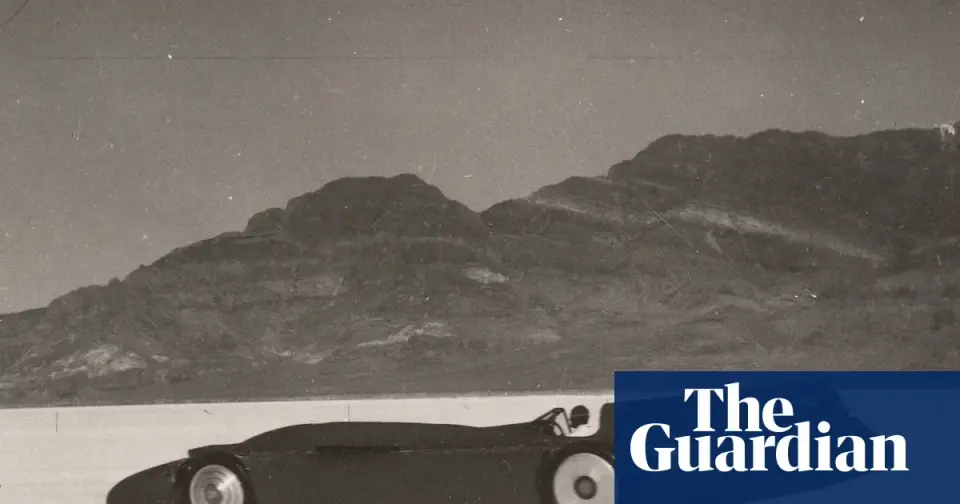
JCB's Hydromax set a new FIA-recognized land speed record for hydrogen-powered vehicles at 406.320 mph at the Bonneville Salt Flats. The record was achieved by Andy Green, who also holds the outright land speed record. This milestone follows the FIA's digitization of its historical land speed record archives.
Key points
- JCB's Hydromax achieved a two-way average speed of 406.320 mph (653.909 km/h) at the Bonneville Salt Flats in Utah, setting a new FIA land speed record for hydrogen-powered internal combustion vehicles.
- The record was driven by Andy Green, a former RAF wing commander and the only person to have broken the sound barrier on land, who holds the current outright land speed record of 763.035 mph.
- The Hydromax is powered by two hydrogen combustion engines, each producing 800 hp, for a combined 1,600 hp. This technology was developed by JCB after finding fuel cell technology too expensive and fragile for industrial use.
- The FIA is digitizing over two million documents and images from its land speed record archive, held in Valleiry, France, making them publicly available for the first time.
- The record more than doubles the previous hydrogen combustion land speed record of 185.5 mph set by BMW in 2004.
Background
Andy Green previously set the outright land speed record of 763.035 mph in 1997 with the ThrustSSC. He also set a diesel-powered land speed record of 350.092 mph with JCB in 2006. The FIA's land speed record archive, which includes documents from 1898, is being digitized for public viewing.
How outlets are covering it
The Guardian emphasizes the historical context of the record, linking the new achievement to the FIA's digitization of its century-old land speed record archive. The New York Times focuses on Andy Green's personal achievement and the speed of the record. Ars Technica provides technical details on the JCB Hydromax's hydrogen combustion engines and compares the record to other fuel types. The BBC highlights the role of Prodrive, the Banbury-based motorsport firm, in the rapid development of the car, noting that the car was built in five weeks.
Why it matters
The record demonstrates the potential of hydrogen combustion technology for high-performance applications, particularly for companies like JCB that need alternatives to diesel engines to meet carbon emissions targets. It also highlights the ongoing pursuit of land speed records and the historical significance of the FIA's archive.
What to watch
The FIA will make the digitized land speed record archive publicly available. JCB may pursue further records with the Hydromax or other hydrogen-powered vehicles. The Bloodhound project, which aimed for 1,000 mph, remains stalled due to funding issues.
- ‘At any moment I might fade out’: archives reveal fearless era of land speed record breakers The Guardian
- Driver Sets Record for Hydrogen-Powered Vehicle at More Than 406 M.P.H. nytimes.com
- Britain's JCB Hydromax sets world land speed record for a hydrogen-powered vehicle Reuters
- Two hydrogen-burning engines powered this car to a new land speed record arstechnica.com
- Banbury firm behind new land speed record celebrates triumph BBC
Want the full story? Read the original reporting
Read on The Guardian