
US officials attribute recent tech outages to AI-driven upgrades, not cyberattacks
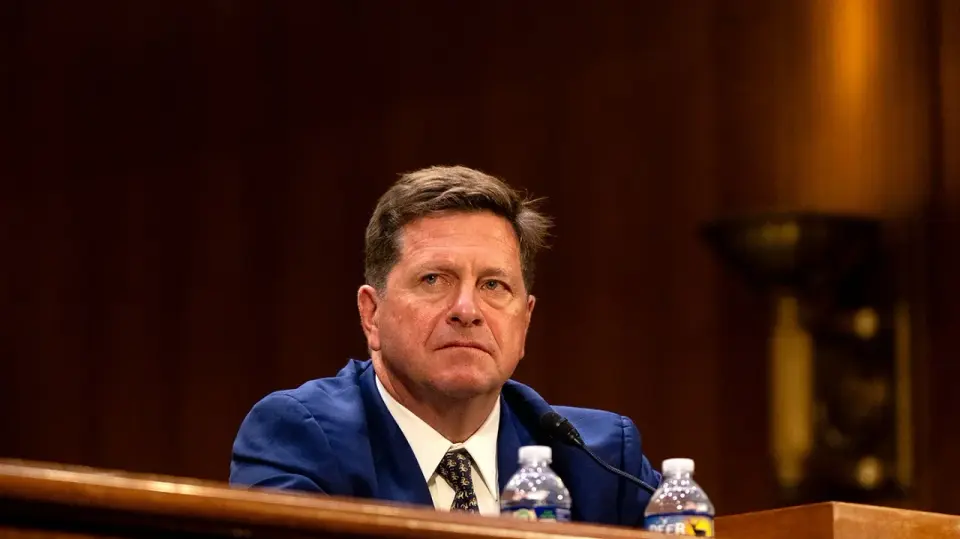
US officials, including the Director of National Intelligence and DHS Secretary, assert that recent widespread tech outages are not cyberattacks but result from rapid AI-driven upgrades to legacy systems. While officials urge calm, critics and lawmakers question the administration's credibility and transparency regarding the disruptions.
Key points
- Director of National Intelligence Jay Clayton stated on CNBC that recent outages are not coordinated cyberattacks or state-sponsored efforts, attributing them to system upgrades and patching.
- DHS Secretary Markwayne Mullin suggested 'super intelligence' (AI) may be overwhelming legacy systems, citing an unnamed tech expert, though he offered no technical evidence.
- Secretary of State Marco Rubio declared the incidents 'completely unrelated' and 'not a systemic attack,' while acknowledging they are 'unsettling.'
- The outages included a Microsoft outage, a four-hour FAA ground stop, and banking issues at Wells Fargo, Chase, U.S. Bank, and Bank of America.
- Critics, including former DHS officials and lawmakers, argue the administration lacks credibility and transparency, with some calling for a resignation or demanding factual evidence.
Background
Recent outages follow a week of tech disruptions, including a Microsoft outage and a four-hour FAA ground stop. The NSA's classified network, NSANet, also went offline on Tuesday, though officials confirmed no cyberattack. The administration has faced scrutiny over its response, with some officials privately criticizing the tone and transparency of the briefing.
How outlets are covering it
The Hill and Fox News emphasize the administration's narrative that outages are due to AI-driven upgrades and legacy system vulnerabilities, with Clayton and Mullin urging calm. CNN highlights internal and external criticism, noting that some officials and critics question the transparency and credibility of the administration's response, with some calling for a resignation. Yahoo and The Hill also note that Secretary of State Marco Rubio and Senator Mark Warner echoed the administration's stance, attributing the outages to legitimate efforts to secure systems rather than malicious activity.
Why it matters
The outages have raised concerns about the resilience of critical infrastructure and the administration's ability to manage and communicate during crises. The debate over the cause of the outages—whether AI-driven upgrades or cyberattacks—has implications for future cybersecurity policies and public trust in government responses to tech disruptions.
What to watch
DHS Secretary Markwayne Mullin is expected to testify before the House Homeland Security Committee on Wednesday, where he will face questions about the outages and the administration's response. The administration may continue to emphasize the need for infrastructure upgrades and AI integration, while critics may push for greater transparency and accountability.
- Director of National Intelligence offers explanation for tech outages The Hill
- Markwayne Mullin faces scrutiny as administration grapples with unsettling tech outages CNN
- National intelligence director says no signs of cyberattack amid tech outage concerns Yahoo
- US official says recent tech woes not tied to cyberattacks Reuters
- DHS chief tells Americans to 'breathe' amid tech outages, insists homeland is 'secure' Fox News
Want the full story? Read the original reporting
Read on The Hill