
Financial Experts Urge Borrowers to Abandon the 'Good Debt' Label
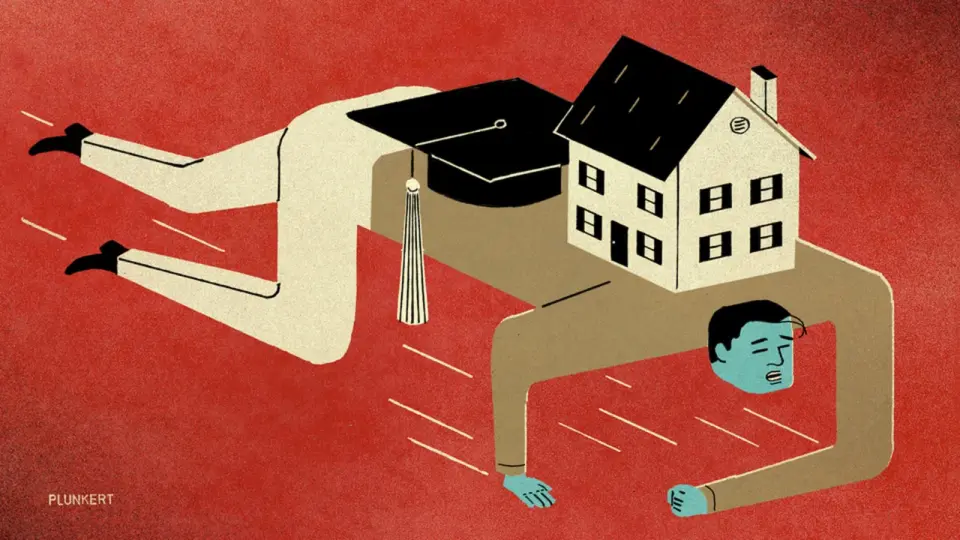
Financial advisors are increasingly rejecting the term 'good debt' for mortgages and student loans, arguing that the label obscures significant financial risks. Experts warn that such debt can become burdensome due to unexpected costs, interest rate changes, or over-optimistic income projections. They advise treating borrowing as a strict business decision, prioritizing long-term affordability and emotional stability over societal pressure to acquire assets like homes or degrees.
Key points
- The label 'good debt' is being criticized for downplaying the risk of overextension, leading borrowers to take on more liability than they can sustainably manage.
- Sheila Bair, former FDIC chair, states that the presumption should always be against debt, as it is a burden on the future that is often marketed to appear less risky than it is.
- Borrowers are advised to calculate their own comfort levels for mortgage payments rather than relying on lender assessments, which focus on repayment ability rather than budget fit.
- Brad Klontz, a financial psychologist, emphasizes that people often make chronic mistakes by tying self-worth to purchases or assuming future earnings will rise to cover debt.
- Experts recommend avoiding emotional borrowing for lifestyle expenses, such as vacations, and instead saving for such experiences to prevent long-term financial stress.
Background
This discussion follows broader trends in financial wellness where experts are re-evaluating traditional advice regarding major life milestones. While previous coverage in our archive focused on health metrics like glucose tracking and step counts, the current financial narrative highlights a shift away from binary categorizations of debt. The 2008 housing crisis serves as a historical backdrop, illustrating how debt viewed as sound can turn catastrophic when market conditions shift, a lesson reinforced by the recent rise in foreclosures during that period.
Why it matters
The redefinition of 'good debt' is critical for consumer protection, as it challenges the societal narrative that homeownership and higher education are universally beneficial investments. By highlighting the potential for these debts to become burdens, experts aim to empower individuals to make decisions based on personal financial stability rather than external expectations, potentially reducing the incidence of financial distress and bankruptcy.
What to watch
Financial advisors are likely to continue promoting a more cautious approach to borrowing, emphasizing detailed personal budgeting and risk assessment. Consumers may see a shift in lending practices, with more emphasis on long-term affordability and financial reserves rather than just current income. Educational campaigns may focus on the psychological aspects of debt, helping individuals recognize and avoid impulse borrowing driven by emotional or social pressures.
- The problem with 'good debt': Why borrowers should think twice about the label CNBC
- Who gets to have 'good debt'? A sociologist, theologian, philosopher and other experts weigh in CNBC
- Why the young are restless: Their college degrees aren’t paying off The Hill
- U.S. student debt strains household finances as college costs rise Traders Union
- College was supposed to be ‘good debt.’ For many borrowers, it isn’t paying off CNBC
Want the full story? Read the original reporting
Read on CNBC