
Nurse Wins Court-Approved Payment Plan After Sallie Mae Wage Garnishment
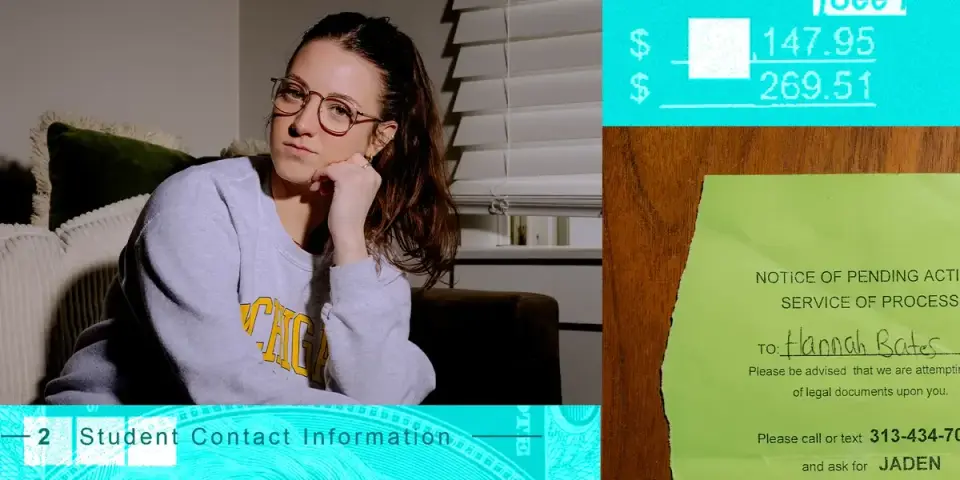
Hannah Bates, a 31-year-old nurse, successfully negotiated a court-approved payment plan of $600 per month to settle a $55,000 private student loan debt with Sallie Mae. After the lender sued her in 2024 following a default, Bates faced wage garnishment that deducted $884 from her bi-weekly paycheck. She represented herself in the legal proceedings, utilizing AI tools for assistance, and ultimately secured a manageable repayment schedule in September 2026, avoiding further income seizure.
Key points
- Sallie Mae sued Bates in October 2024 after she missed payments on a $55,000 loan, despite her attempts to negotiate a lower monthly bill.
- Bates represented herself in court for nearly two years, relying on ChatGPT for legal guidance due to the high cost of hiring an attorney.
- The court initially ordered wage garnishment, deducting $884 from her $2,700 bi-weekly paycheck, forcing her to work extra shifts to maintain her income.
- In September 2026, a judge approved a new plan allowing Bates to pay $600 monthly, which she began on November 1, 2026.
- Bates described the process as emotionally taxing but noted that the final resolution provided a sense of empowerment and financial stability.
Background
This case highlights the increasing risks associated with private student loans, which lack the federal protections and oversight available to government-backed debt. While federal policies have recently shifted, including the expiration of tax exemptions for forgiven loans and new autopay interest discounts, private lenders like Sallie Mae operate with fewer regulatory constraints. The broader landscape of student debt has become more complex for borrowers, with many facing higher monthly costs and limited avenues for relief, as noted in recent coverage of federal repayment changes and tax liabilities.
Why it matters
The case illustrates the severe financial and emotional consequences borrowers face when private lenders pursue aggressive collection tactics. As federal repayment options change, more borrowers may shift to private loans, potentially increasing the number of individuals facing similar litigation and wage garnishment without adequate consumer protections.
What to watch
Bates will begin making $600 monthly payments through the court system on November 1, 2026. She expects to continue paying off the remaining balance over several years, while monitoring for any further actions from the lender.
Want the full story? Read the original reporting
Read on Business Insider