
California Mandates Low-Resistance Tires, Sparking Industry and Political Debate
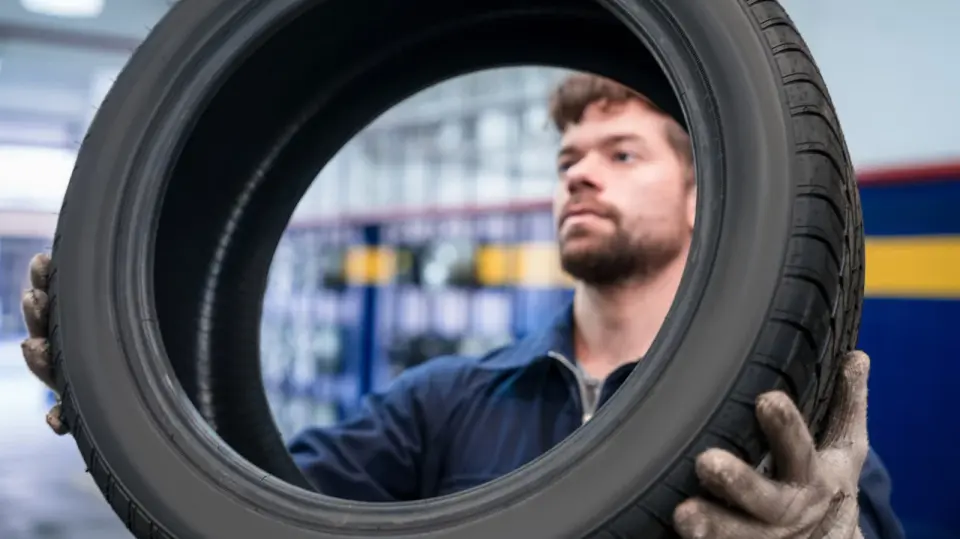
The California Energy Commission has unanimously approved a two-phase mandate requiring most replacement tires sold in the state to match the low rolling resistance of original factory tires. Effective in 2029 and 2033, the rules aim to reduce fuel consumption and emissions, though they will eliminate 70% of currently available tire options. While the state projects significant fuel savings for consumers, major manufacturers and critics warn of higher costs and reduced choice.
Key points
- The new rules set a maximum rolling resistance of 9.1 N/kN starting in 2029, tightening to 7.2 N/kN by 2033.
- Approximately 70% of tires currently on the market will no longer be sold in California by 2033, though exceptions exist for motorsports, snow, and off-road tires.
- The California Energy Commission estimates consumers will save $179 per tire set over its lifespan, offsetting a $6.50 price increase per tire in Phase 2.
- Goodyear and other industry groups dispute the cost projections, warning that actual price increases could reach several hundred dollars per tire.
- A new voluntary 'leaf' rating system will indicate tire efficiency, similar to Energy Star labels, though manufacturers are not required to display it.
Background
This policy stems from AB 844, a 2003 law directing the California Energy Commission to explore tire efficiency standards, which remained dormant until recently. Governor Gavin Newsom appointed Nancy Skinner to the commission in 2025, accelerating the process. The move follows similar federal and international trends but is the first of its kind in the U.S. for replacement tires.
How outlets are covering it
Proponents, including the California Energy Commission and Governor Newsom, argue the rules will save consumers nearly $1 billion annually in fuel costs and reduce CO2 emissions by 2 million metric tons. They emphasize that modern technology allows for efficient tires that also maintain good lifespan. Opponents, including Goodyear and the U.S. Tire Manufacturers Association, contend the rules will drastically reduce consumer choice, increase costs beyond official estimates, and potentially lead to unsafe conditions if drivers delay replacements due to higher prices. Political commentator Jake Skorheim criticized the move as a 'climate scam,' noting that supporting manufacturers like Michelin and Bridgestone are foreign-owned, while opposing American companies like Goodyear face direct market impacts. Some outlets, like KCRA, highlight the polarizing nature of the decision, noting that while the CEC claims broad industry support, many manufacturers have raised serious concerns about affordability and enforcement.
Why it matters
This regulation sets a precedent for other states, with Washington and Rhode Island already considering similar measures. It directly impacts consumer choice and cost for millions of Californians and signals a broader shift toward mandating energy efficiency in automotive components, potentially influencing national policy and industry standards.
What to watch
The rules take effect in 2029, with stricter standards in 2033. Manufacturers have until then to adjust production. The California Energy Commission will continue dialogue with the industry to address concerns, and other states may follow California's lead, potentially creating a multi-state regulatory framework for tire efficiency.
- California Passes Restrictive Replacement Tire Law In The Name Of Efficiency Jalopnik
- California Passes New Rule Regulating Replacement Car Tires The New York Times
- What to know about California’s groundbreaking and polarizing new replacement tire rules KCRA
- 'It's all climate scam': Jake fires back after California becomes first state to regulate what tires you can buy MyNorthwest.com
- New tire rule raises concerns: 'California is particularly vulnerable here' SFGATE
Want the full story? Read the original reporting
Read on Jalopnik