
Treasury Draft Rules Ban U.S. Equity in Chinese Biotech but Spare Licensing Deals
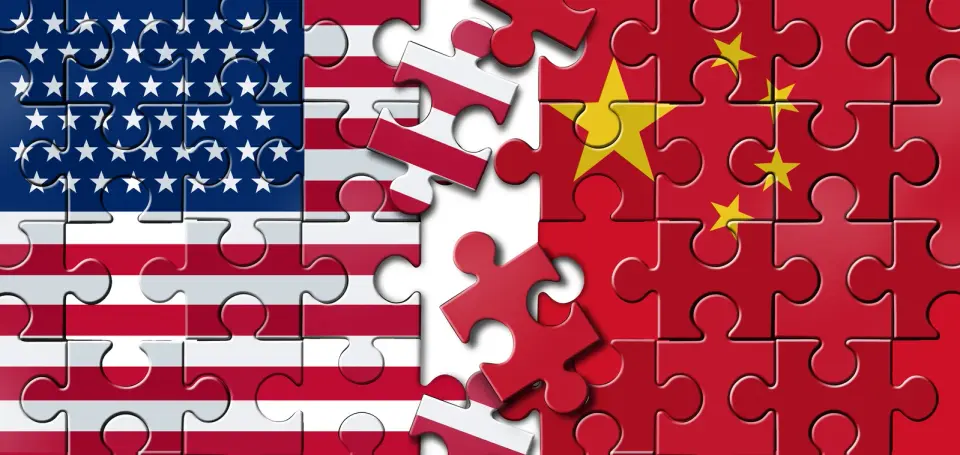
The U.S. Treasury Department has released proposed regulations under the Comprehensive Outbound Investment National Security (COINS) Act, adding biotechnology to the list of restricted sectors for investment in 'countries of concern,' primarily China. The draft rules prohibit U.S. equity investments, joint ventures, and convertible debt in Chinese biotech firms, including those involving advanced modalities like cell and gene therapies. However, the proposal explicitly excludes traditional cash-based licensing agreements, allowing Western pharma companies to continue in-licensing Chinese drug candidates. The Treasury is seeking public comment until December 7, 2026, with industry groups urging a narrower scope to avoid harming U.S. competitiveness.
Key points
- The Treasury’s draft rules categorize 'pharmaceutical compounds,' including small molecules, vaccines, and gene therapies, as prohibited technologies for outbound investment in China.
- The regulations target equity acquisitions, joint ventures, and greenfield investments, but exclude standard asset licensing deals where U.S. firms pay royalties for ex-China rights.
- The rules implement the COINS Act, enacted in December 2025 as part of the national defense bill, which expanded restrictions beyond semiconductors and AI to include biotech.
- Transactions completed before the COINS Act’s enactment on December 18, 2025, are exempt from the new restrictions.
- The Treasury is accepting public comments until December 7, 2026, and is specifically asking for feedback on whether to narrow the definition of 'pharmaceutical compounds' to focus only on frontier technologies.
Background
In September 2026, reports indicated the Treasury was drafting rules that would preserve most Chinese biopharma licensing deals, leading to a surge in Chinese biopharma stocks. This followed a record-breaking first half of 2026 for Chinese out-licensing deals, valued at $110 billion. The current proposal represents a formalization of those earlier drafts, moving from informal guidance to a binding regulatory framework under the COINS Act.
How outlets are covering it
Fierce Biotech and STAT emphasize that while the rules are sweeping, they spare the majority of multi-billion-dollar licensing deals, offering relief to business development teams. Endpoints News frames the release as a potential 'kill off' of China biotech deals, highlighting the divisive nature of the issue. AP News provides broader context, noting the rules also target AI and hypersonic systems, and quotes Chinese officials who criticized the move as an overstretch of national security concepts. Industry leaders like John Crowley of BIO and Kendalle Burlin O’Connell of MassBio argue that overly broad restrictions could weaken U.S. competitiveness and hinder access to new therapies, while national security advocates like Craig Singleton view the rules as a necessary signal to track capital flows that could enhance adversary military capabilities.
Why it matters
The proposed rules could fundamentally reshape the structure of U.S.-China biopharma collaborations, forcing a shift away from equity-based partnerships and NewCo models toward pure licensing agreements. This may limit the flow of capital to Chinese biotech firms while preserving access to their drug pipelines for U.S. companies, potentially affecting the pace of innovation and the competitive landscape in global pharmaceutical development.
What to watch
The Treasury Department will review public comments submitted before December 7, 2026, before issuing a final rule. Industry stakeholders are expected to lobby for a narrower definition of 'pharmaceutical compounds' to exclude standard drug modalities and focus only on advanced or frontier technologies. The final rule’s scope will determine the extent to which U.S. companies can engage in equity investments and joint ventures with Chinese biotech firms.
- Treasury sweeps biotech into proposed COINS Act restrictions, but spares Big Pharma’s China licensing deals Fierce Biotech
- US Treasury drops Venezuela from countries facing outbound US investment restrictions Reuters
- US Treasury proposes a rule to crack down on high-tech investments in China, other adversaries AP News
- Treasury proposes major restrictions to U.S. investment in Chinese biotech sector STAT
- Post-Hoc Live: Did the US just kill off China biotech deals? Endpoints News
Want the full story? Read the original reporting
Read on Fierce Biotech