
Senate Delays Hemp Ban, But New Amendment Threatens to Revoke Extension
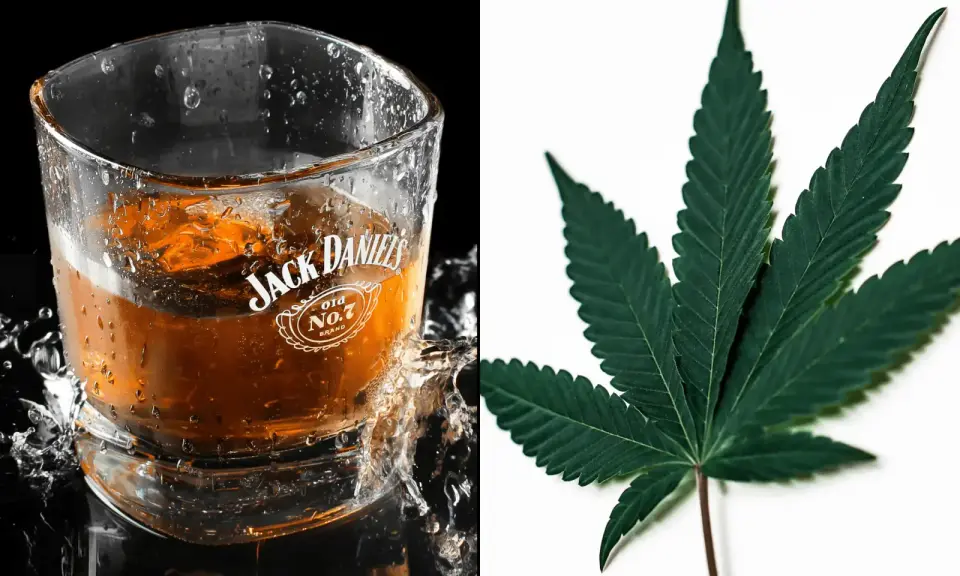
The Senate has delayed the federal recriminalization of hemp-derived THC products from November 12 to December 11 via a continuing resolution, but Senator Ted Budd has proposed an amendment to strip this extension, potentially reinstating the ban. Industry groups support the delay to allow for a regulatory framework, while critics argue the original ban is necessary to protect children from intoxicating products.
Key points
- The Senate Appropriations Committee included a provision in a continuing resolution to delay the federal hemp ban until December 11, pushing back the original November 12 deadline.
- The delay includes a carve-out that allows the immediate recriminalization of synthetic cannabinoids that cannot be naturally produced by Cannabis sativa L. plants.
- Senator Ted Budd announced plans to offer an amendment to remove the hemp extension from the continuing resolution, which would reinstate the November 12 ban.
- The Beverage Alcohol Merchants Coalition (BAMCO) supports the delay, advocating for a regulatory framework for low-dose hemp beverages within the existing three-tier alcohol system.
- The U.S. Hemp Roundtable is urging senators to oppose Budd's amendment, arguing the extension provides time for bipartisan negotiations on a comprehensive regulatory framework.
- Florida businesses, such as Herban Flow and AstroBliss Products, warn that the November 12 ban could eliminate 80% of their inventory, leading to layoffs and store closures.
Background
The 2018 Farm Bill federally legalized hemp with less than 0.3% delta-9 THC, but new legislation signed by President Trump in late 2025 redefined hemp to limit total THC to 0.4 milligrams per container, effective November 12. This move threatened to ban many popular hemp-derived THC beverages and edibles, prompting industry pushback and state-level bans, such as Texas's July 31, 2026, prohibition on most hemp-derived THC products. The Senate's delay is part of a broader effort to find a regulatory framework rather than an outright ban, with the White House and industry groups advocating for a balanced approach that protects consumers while preserving lawful hemp products.
How outlets are covering it
Marijuana Moment emphasizes the Senate's delay as a critical opportunity for industry supporters to push for a regulatory framework, highlighting the support of alcohol retailers and the White House. FOX 13 Tampa Bay focuses on the immediate impact on Florida businesses, with retailers warning of layoffs and store closures, while supporters of the ban argue it is necessary to protect children. The U.S. Hemp Roundtable frames the delay as essential for bipartisan negotiations and responsible regulation, urging senators to oppose any effort to remove the extension. The sources differ in their emphasis: Marijuana Moment and the U.S. Hemp Roundtable focus on the political and regulatory aspects, while FOX 13 highlights the economic and social impact on local businesses and consumers.
Why it matters
The delay of the federal hemp ban provides a crucial window for Congress to develop a regulatory framework for hemp-derived THC products, balancing consumer safety with industry interests. The potential reinstatement of the ban through Senator Budd's amendment could have significant economic and social consequences, including layoffs, store closures, and the loss of access to full-spectrum CBD products. The outcome of this debate will shape the future of the hemp industry and the availability of hemp-derived products in the U.S. market.
What to watch
The Senate must vote on the continuing resolution, including the hemp extension, and the House must approve the Senate's version for the delay to take effect. Senator Budd's proposed amendment to remove the extension could trigger a swift reinstatement of the November 12 ban. Lawmakers from both parties are expected to continue circulating bills to delay or regulate hemp products, with the White House and industry groups advocating for a balanced approach. The outcome of these negotiations will determine the future of hemp-derived THC products in the U.S. market, with potential implications for consumer access, industry viability, and public safety.
- Alcohol Retailers Celebrate Senate’s Move To Keep Hemp THC Drinks Legal, For Now Marijuana Moment
- New federal laws could impact Florida businesses FOX 13 Tampa Bay
- URGENT Action Needed – Tell Your Senators to Protect the Hemp Extension in the CR U.S. Hemp Roundtable
- Senate Gives Hemp THC Products A Lifeline By Including Provisions To Delay Planned Federal Ban In New Spending Bill Marijuana Moment
- Hemp Industry Scores Major Win To Keep Intoxicating THC Products Legal Forbes
Want the full story? Read the original reporting
Read on Marijuana Moment