
Clarity Act Fails Senate Vote, Stalling Crypto Regulation Until 2027
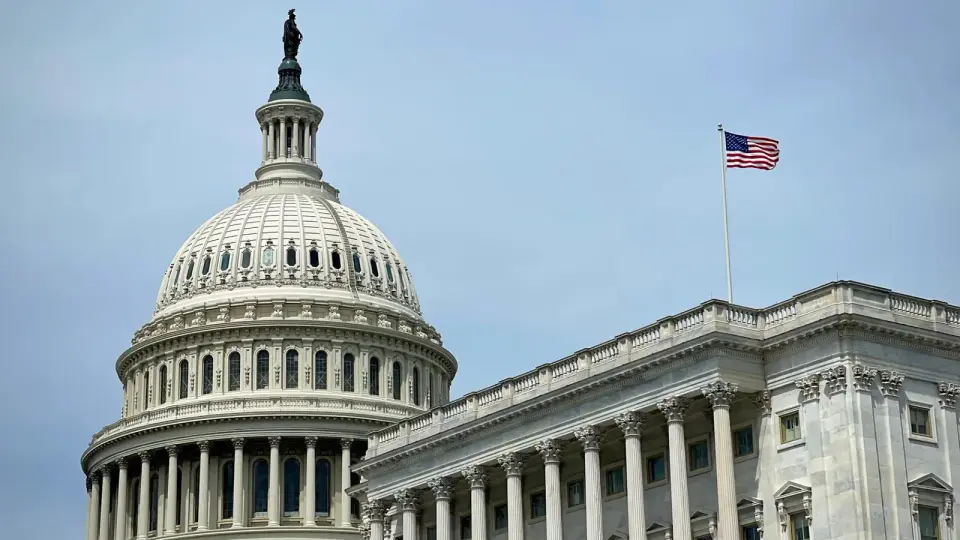
The Digital Asset Market Clarity Act failed a crucial Senate procedural vote on September 15, 2026, with a 49-50 tally falling short of the 60 votes required. This defeat halts the industry's primary legislative push for market structure rules, shifting focus to federal regulators like the SEC and CFTC. The bill's collapse is attributed to unresolved disputes over ethics provisions regarding presidential crypto holdings, with the next congressional session likely to face a more hostile environment if Democrats win majorities.
Key points
- The Clarity Act failed to secure the 60 votes needed for cloture, receiving only 50 in favor and 49 against, with multiple Republicans voting no.
- The bill's failure is primarily attributed to disagreements over ethics provisions intended to restrict President Trump and his family from profiting from crypto ventures while in office.
- Following the defeat, the crypto industry will rely on the SEC and CFTC for regulatory stability, as the SEC has proposed 'Regulation Crypto Assets' to allow startups to raise funds without immediate registration.
- The setback complicates the bill's future, as the current Congress is winding down before November 3 midterm elections, and a Democratic majority in the next Congress is expected to prioritize investigations into crypto-political ties over market structure legislation.
- Market reaction included a 3-4% drop in Bitcoin and significant declines in Coinbase and Circle shares, reflecting investor disappointment over the lack of regulatory clarity.
Background
The Clarity Act represents the culmination of years of lobbying and hundreds of millions of dollars in political spending by the crypto industry to establish a federal market structure framework. This effort followed the 2025 passage of the GENIUS Act, which provided a major legislative win for stablecoin issuers. The current failure marks a significant reversal after the industry transitioned from the 2022 regulatory crackdown to a period of legislative progress. The bill had undergone extensive negotiations, including a 630-page revision in September 2026 that attempted to balance DeFi oversight with protections for decentralized protocols, but these compromises failed to bridge the partisan divide.
How outlets are covering it
CoinDesk emphasizes the finality of the defeat, noting that the vote failed to even achieve a majority, with Senator Cynthia Lummis acknowledging the loss as a potential end to the legislative effort for this session. CNBC highlights the market impact, reporting that Bitcoin fell 3% and Coinbase and Circle shares dropped 8% and 10%, respectively, while noting that the SEC and CFTC are already moving forward with alternative regulatory initiatives. Yahoo Finance focuses on the broader market sell-off, with Bitcoin tumbling 4% to $75,000 as hopes for passage faded. Politico provides a detailed account of the negotiation breakdown, citing a Democratic counteroffer that Republicans rejected as identical to their opening position, with Senator Mark Warner's office arguing the ethics provisions were 'commonsense safeguards' while Senator Tim Scott's office claimed Democrats were 'moving the goalposts.'
Why it matters
The failure of the Clarity Act leaves the crypto industry without a comprehensive federal regulatory framework, forcing reliance on agency-level rules that may lack durability. This regulatory uncertainty could deter long-term capital investment and hinder the growth of the sector. The outcome also signals a potential shift in the political landscape, as a Democratic majority in the next Congress may prioritize investigations into crypto-political ties over market structure legislation, potentially delaying further regulatory progress until 2027 or later.
What to watch
The crypto industry will focus on the SEC and CFTC for regulatory stability, with the SEC poised to approve a narrow version of securities tokenization and the CFTC having recently approved the first bitcoin perpetual futures in the U.S. Industry super PACs, led by Fairshake, will decide how to treat politicians who voted against the Clarity Act in the final weeks before the November 3 midterm elections. The next Congress, seated in January 2027, will likely face a more hostile environment for crypto legislation if Democrats win majorities, with potential investigations into the relationship between the Trump administration and crypto businesses.
- Crypto’s biggest Senate push falls flat as the Clarity Act fails to clear a crucial procedural vote CoinDesk
- Senate cloture vote on Clarity Act fails, dealing regulatory blow to crypto industry CNBC
- Bitcoin tumbles 4% to $75,000 as hopes of CLARITY Act passage this year fade Yahoo Finance
- US Senate to vote on advancing sweeping cryptocurrency bill Reuters
- Republicans pour cold water on Democratic crypto bill counteroffer Politico
Want the full story? Read the original reporting
Read on CoinDesk