
Senate Clarity Act Vote Fails, Stalling Crypto Regulation Until 2027
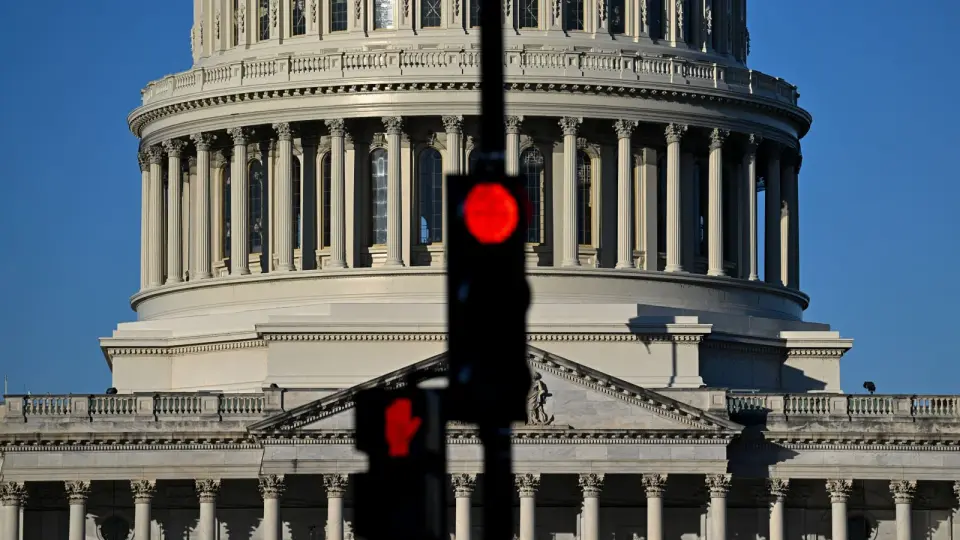
The US Senate failed to advance the Digital Asset Market Clarity Act on Tuesday, with a 49-50 vote falling short of the 60 votes required. The failure stems from Democratic opposition to insufficient ethics safeguards regarding President Trump's crypto holdings. This procedural defeat stalls comprehensive market structure legislation, shifting regulatory momentum to agency-level actions and delaying federal rules until after the November midterms.
Key points
- The Senate voted 49-50 to block the Clarity Act, missing the 60-vote threshold needed to end debate and advance the bill.
- Democrats rejected the final Republican proposal, arguing it lacked sufficient enforcement mechanisms to prevent the President and his family from profiting from crypto ventures.
- Bitcoin fell 3%, while Coinbase and Circle shares dropped 8% and 10% respectively, amid the broader market sell-off following the vote.
- The bill would have divided oversight between the SEC and CFTC, set registration requirements, and strengthened anti-money-laundering protections for the $2.3 trillion crypto market.
- Congress is set to recess for the midterm elections in November, making it unlikely that the bill will be revived before the next session begins in 2027.
Background
Negotiations for the Clarity Act intensified in August and September 2026, with bipartisan talks aiming to resolve ethics concerns before the Senate recess. Previous attempts to pass the bill failed due to disagreements over the scope of financial disclosures for public officials. The current failure follows a series of stalled counteroffers and last-minute concessions that did not satisfy Democratic demands for stricter divestment rules.
How outlets are covering it
CNBC emphasizes the procedural failure as a major blow to the industry's confidence, noting that leaders like Sen. Cynthia Lummis declared the effort 'over.' The outlet highlights the shift toward agency-level regulation, such as the SEC's proposal for startup token sales, as the immediate consequence. KOAT focuses on the political conflict, framing the vote as a rejection of Trump's financial interests, with Sen. Elizabeth Warren arguing the bill would allow the President to 'rake in billions.' KOAT also notes the role of crypto donations in elections, with Sen. Chris Murphy accusing the industry of using money to force passage. Both outlets agree that the 49-50 vote reflects a deep partisan divide on ethics, but CNBC stresses the market impact while KOAT highlights the political fallout and the potential for Fairshake PAC to target opposing senators.
Why it matters
The failure leaves the $2.3 trillion crypto market without a comprehensive federal framework, creating regulatory uncertainty for investors and firms. The delay pushes the timeline for clear rules to 2027, forcing the industry to rely on piecemeal agency actions from the SEC and CFTC in the interim. The outcome also signals a shift in political dynamics, as crypto groups may face increased opposition in the upcoming midterm elections, potentially altering the legislative landscape for digital assets in the next Congress.
What to watch
The crypto industry will likely focus on agency-level regulations, such as the SEC's proposal for startup token sales and the CFTC's approval of bitcoin perpetual futures. Senators are expected to leave Washington in early October for the midterm campaign, making a return to the Clarity Act unlikely until after the November elections. The Fairshake PAC may target senators who voted against the bill, potentially influencing future legislative support for crypto measures.
- Senate cloture vote on Clarity Act fails, dealing regulatory blow to crypto industry CNBC
- Bitcoin, Ethereum And More Tumble As CLARITY Act Fails In Senate Forbes
- US Senate to vote on advancing sweeping cryptocurrency bill Reuters
- WATCH LIVE: Senate expected to vote on cryptocurrency regulation PBS
- Senate blocks cryptocurrency regulation as Democrats push back on Trump investments KOAT
Want the full story? Read the original reporting
Read on CNBC