
44 States Challenge CFTC Authority as Tribal Leaders Oppose Clarity Act
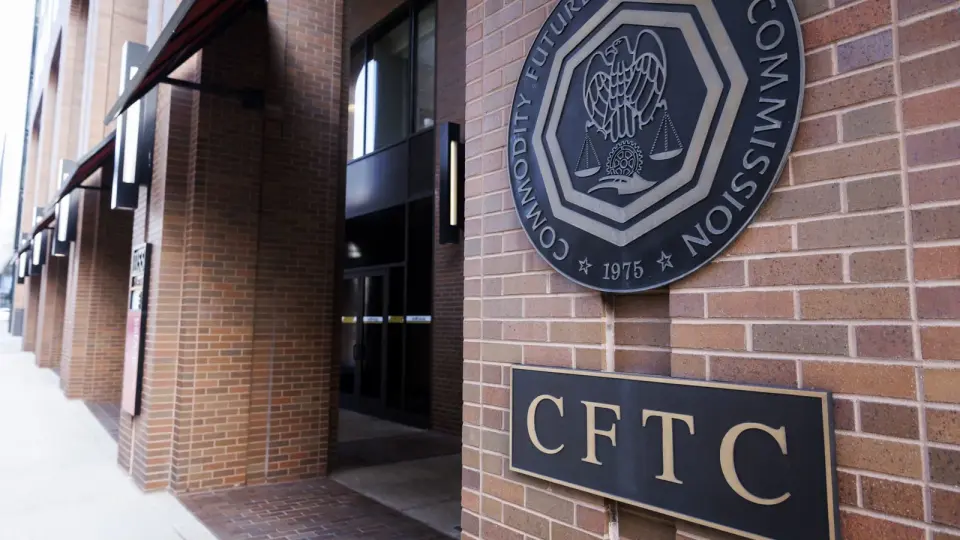
A coalition of 44 state attorneys general formally challenged the Commodity Futures Trading Commission's (CFTC) authority to regulate sports-related event contracts, arguing such activities fall under state gambling laws. Simultaneously, tribal gaming leaders urged senators to reject the Clarity Act, warning that current federal frameworks allow prediction markets to bypass state and tribal gambling regulations. While the CFTC maintains that event contracts are federally regulated swaps, states and tribal nations contend these platforms function as illegal sports betting operations, creating a jurisdictional conflict that may ultimately require Supreme Court intervention.
Key points
- Attorneys general from 44 states, led by Ohio’s Andy Wilson, sent a letter to the CFTC arguing the agency lacks statutory power to regulate sports-related event contracts, which they view as gambling subject to state law.
- The letter was submitted as the public comment period for the CFTC’s first proposed rule on prediction markets ended, with the states urging the commission to restart its rulemaking process.
- Tribal gaming leaders, including the Indian Gaming Association, urged senators to vote against the Clarity Act (H.R. 3633), arguing it expands CFTC authority without prohibiting prediction markets from offering casino-style or sports gambling.
- Tribal leaders contend that prediction markets currently evade state and tribal gaming laws by classifying bets as financial swaps, undermining tribal sovereignty and exclusive gaming compacts.
- The CFTC is currently in litigation with nine states to defend its exclusive jurisdiction over prediction markets, while the Supreme Court is expected to have the final say on the regulatory framework.
Background
This dispute follows a series of recent legal battles, including a federal judge’s decision in July 2026 to block Minnesota’s blanket ban on prediction markets, ruling that many event contracts qualify as federally regulated swaps. The conflict also follows the CFTC’s expanded investigation into Polymarket earlier in 2026, highlighting ongoing tensions between federal regulators and state authorities regarding the classification of prediction markets as financial instruments versus gambling operations.
How outlets are covering it
The CFTC and prediction market platforms maintain that all event contracts are swaps regulated under the Commodity Exchange Act, placing them outside state jurisdiction. In contrast, 44 state attorneys general argue that sports-related contracts resemble sports betting and must be regulated by states. Tribal gaming leaders, such as the Indian Gaming Association, align with the states, asserting that prediction markets are effectively gambling operations that violate tribal sovereignty and state exclusivity agreements. While CME Group criticized the CFTC’s definition of 'gaming' as an overreach, platform Rothera supported the CFTC’s approach to avoid sweeping in all event contracts. Tribal leaders specifically opposed the Clarity Act, arguing it fails to address the loophole allowing prediction markets to operate as gambling platforms, whereas the CFTC views the bill as a necessary framework for regulating digital assets.
Why it matters
The outcome of this jurisdictional battle will determine whether prediction markets are regulated as financial derivatives or gambling operations, with significant implications for state revenue, tribal sovereignty, and consumer protection. If the CFTC’s authority is upheld, states and tribes may lose control over a rapidly growing market that could undermine existing gambling regulations and exclusive compacts. Conversely, if states prevail, prediction markets may face stricter restrictions or bans in multiple jurisdictions, potentially reshaping the industry’s operational landscape.
What to watch
The CFTC is expected to respond to the 44-state letter and potentially restart its rulemaking process. The Clarity Act may face further debate in the Senate, with tribal leaders urging amendments to prohibit prediction markets from offering gambling services. The ongoing litigation between the CFTC and nine states will continue, with the Supreme Court likely to provide a definitive ruling on the regulatory framework for prediction markets in the near future.
- 44 states are aligned on one thing in their fight against prediction markets. It's about sports wagering CNBC
- Trump admin's proposed prediction market rule faces public pushback Yahoo Finance
- NFL Sounds Alarm on ‘Objectionable’ Prediction Markets Front Office Sports
- Indian Gaming leaders urge Senators to vote No on Clarity Act ictnews.org
- Congress hits a wall on reining in sports betting, prediction markets The Hill
Want the full story? Read the original reporting
Read on CNBC