
Bessent defends chip sales to China as Trump administration faces scrutiny over 880,000 approved exports
Treasury Secretary Scott Bessent stated that no additional restrictions are needed for Nvidia chip sales to China, following the release of documents showing the Commerce Department approved nearly 880,000 AI chips for Chinese firms with military ties. While the administration halted remote access to the latest semiconductors, Bessent maintained that current policies are sufficient. President Trump expressed support for reinstating former Nvidia CEO Jensen Huang, despite allegations involving a suspected Chinese spy, and defended Commerce Secretary Howard Lutnick against criticism for slow-walking export controls.
Key points
- The House Foreign Affairs Committee released documents showing the Commerce Department approved 879,868 AI chips from Nvidia and AMD for Chinese entities by May 11, 2026.
- Approved recipients included Alibaba, Tencent, Baidu, and BYD, all identified by the Defense Department as having ties to the Chinese military.
- Treasury Secretary Scott Bessent stated that current chip restrictions are in place and remote access has been curtailed, indicating no policy change is anticipated.
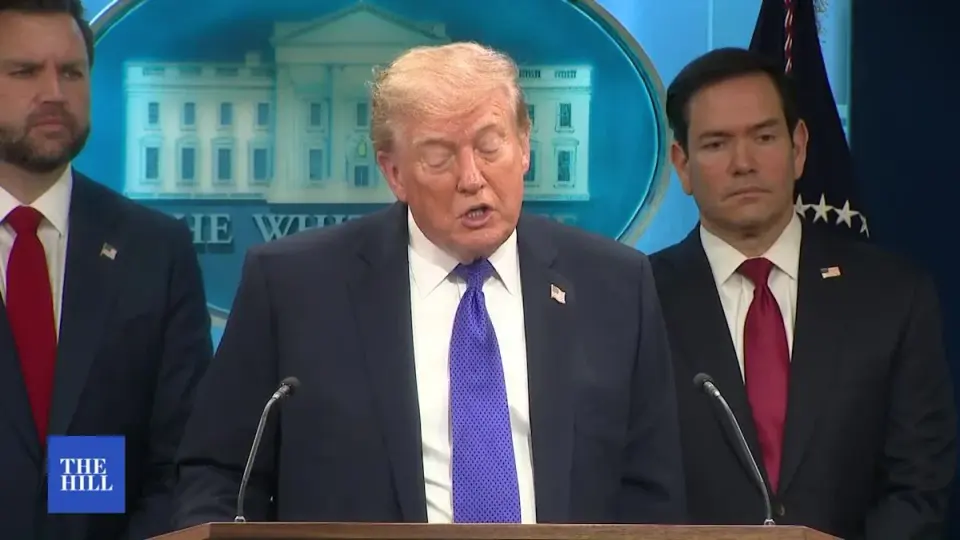
- President Trump said he discussed former Nvidia CEO Jensen Huang with Chinese leader Xi Jinping, calling him 'brilliant' and expressing a desire to see him restored as CEO.
- Nvidia confirmed it has stopped shipping H200 chips to China despite prior approvals, while AMD stated it complies with U.S. export control laws.
- Trump defended Commerce Secretary Howard Lutnick, who has faced criticism for delaying export restrictions on Chinese chip sales, calling him a 'different kind of guy' with a 'natural business instinct'.
Background
This development follows recent scrutiny of U.S. AI chip exports to China, particularly after the resignation of Nvidia CEO Jensen Huang amid allegations of an affair with an executive at Megaspeed, a Singapore-based company accused of acting as a cutout for Beijing. Earlier reports highlighted that the Commerce Department approved hundreds of thousands of chips despite Pentagon warnings, prompting calls for stricter export controls and congressional hearings. The current situation reflects ongoing tensions between the administration's support for the U.S. AI industry and concerns over China's efforts to acquire advanced semiconductors.
How outlets are covering it
CNBC emphasized the administration's reluctance to crack down on China's acquisition of advanced chips, noting that Bessent's comments suggest a lack of focus on export controls. AP News focused on the specific numbers and recipients of the approved chips, highlighting the Defense Department's identification of military ties. Yahoo News reported on the broader context of the Trump administration's approval of nearly 900,000 AI chips to Chinese military companies, as revealed by the House Foreign Affairs Committee. The outlets differ in their emphasis: CNBC highlights the political dynamics and Trump's stance on Huang, AP News provides detailed data on the chip approvals, and Yahoo News focuses on the scale of the approvals and their implications for national security.
Why it matters
The approval of nearly 880,000 AI chips to Chinese firms with military ties raises significant national security concerns, particularly as the U.S. seeks to maintain its lead in artificial intelligence. The administration's stance on export controls and its support for reinstating Jensen Huang could influence future policies on technology transfers and international trade. Additionally, the scrutiny of Commerce Secretary Howard Lutnick and the potential for stricter export controls may impact the global AI landscape and U.S.-China relations.
What to watch
Jensen Huang is slated to appear before House panels on December 1, with Nvidia's lawyer due to testify on December 2. The administration may face further pressure to tighten export controls, especially as scrutiny mounts on the diversion of U.S.-made AI chips to China. The outcome of these hearings and any subsequent policy changes could have significant implications for the U.S. AI industry and its relationship with China.
- Trump administration approved shipment of nearly 900,000 AI chips to China Yahoo
- How China continues to evade America’s tech-export rules The Economist
- Officials approved the sale of 580,000 Nvidia chips to Chinese companies The Washington Post
- Trump says he discussed Jensen Huang with Xi; Bessent tells CNBC Nvidia chip export policy is unchanged CNBC
- Treasury secretary says no further restrictions are needed for Nvidia chip exports to China AP News
Want the full story? Read the original reporting
Read on Yahoo