
Pentagon Officials Considered Using Wartime Law to Reappoint Nvidia CEO
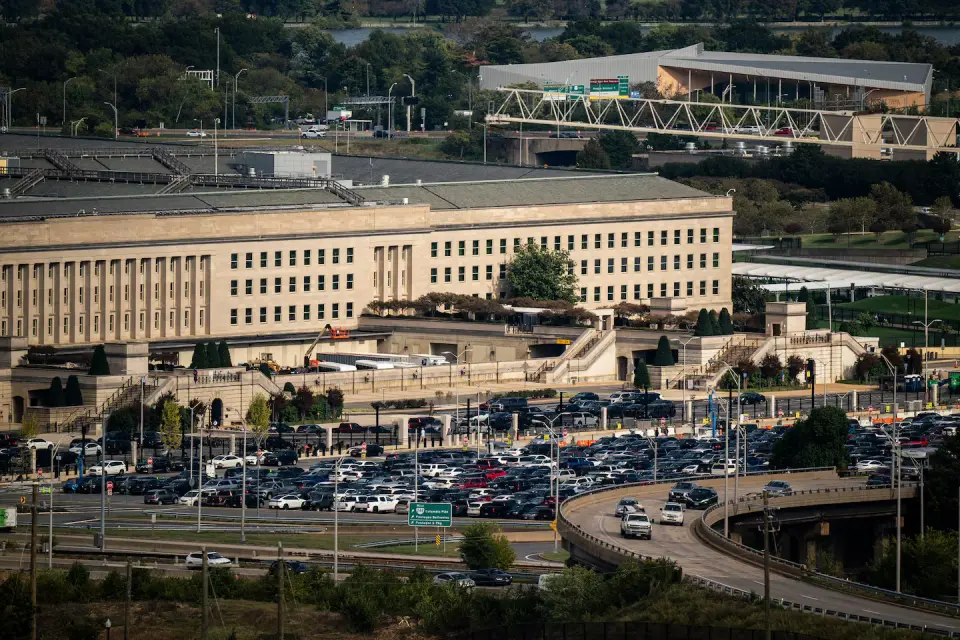
Defense Secretary Pete Hegseth and Pentagon officials reportedly discussed invoking the Cold War-era Defense Production Act to force Nvidia to reinstate CEO Jensen Huang, a move popular in some Silicon Valley circles. While Huang’s return on November 23 stabilized the chipmaker’s stock initially, broader AI market losses accelerated on November 25 as investors remained wary of financial pressures. Trump has since suggested a pardon for Huang was 'always an option,' though he likely will not be necessary, while Congress prepares to investigate the administration’s intervention and potential national security risks.
Key points
- Hegseth and Pentagon officials floated using the Defense Production Act to reappoint Huang, according to The Washington Post.
- Nvidia shares fell 6% on November 25, extending losses for a second consecutive session despite Huang’s reinstatement.
- Trump told the New York Post that absolving Huang of wrongdoing was 'always an option' but probably would not be necessary.
- Huang is scheduled to testify before Congress on December 1, 2026, amid ongoing investigations into potential espionage and export violations.
- The AI trade has suffered significantly, with Nvidia down roughly 30% over the past month and Micron Technology down 50% from its all-time high.
Background
Huang resigned on November 12, 2026, amid reports of affairs, including one with a suspected Chinese spy, Alice Huang. U.S. intelligence agencies had reportedly monitored Alice Huang for years but did not warn Jensen Huang, prioritizing Nvidia’s stock price. The scandal exposed deep fissures within the Trump administration over China policy, with some officials favoring lax export controls while others pushed for stricter measures. The Defense Production Act of 1950 grants presidents extraordinary powers to intervene in the economy, including requiring private businesses to accept contracts for critical materials.
How outlets are covering it
The Washington Post highlights the unprecedented nature of using wartime law for a corporate appointment, noting its popularity in Silicon Valley. Yahoo Finance emphasizes the failure of the 'Jensen put' to stabilize markets, citing broader financial pressures like higher interest rates and credit spreads. CNN frames the incident as a quintessential Trump scandal, criticizing the president’s intervention in private business and his laxity in protecting national secrets, while noting the lack of evidence that Huang committed a crime. The outlets differ on the efficacy of Huang’s return: Yahoo Finance sees it as insufficient to fix market issues, while CNN focuses on the political and constitutional implications of the administration’s actions.
Why it matters
The incident raises significant questions about the limits of presidential power, the integrity of U.S. national security, and the stability of the AI sector, which is crucial to the U.S. economy. It also highlights the potential for crony capitalism and the risks of government intervention in private corporate affairs, with potential consequences for investor confidence and global tech competition.
What to watch
Huang is due to testify before Congress on December 1, 2026, where he will face questions about the affair with the alleged Chinese asset and potential export violations. Democrats are expected to take over Congress in January, which may intensify investigations into the administration’s actions. The Commerce Department is preparing to blacklist Megaspeed, a Singapore firm linked to the scandal, and California is investigating whether Nvidia’s advanced chips ended up in China in violation of U.S. restrictions.
- Hegseth, Pentagon officials floated using wartime law to reappoint Nvidia CEO The Washington Post
- The Frantic White House Push to Get Jensen Huang Back WSJ
- Why Nvidia's 'Jensen put' failed to stop the AI trade meltdown Yahoo Finance
- Why Nvidia is the quintessential Trump scandal CNN
- MAGA splinters further over Trump's Nvidia shocker Axios
Want the full story? Read the original reporting
Read on The Washington Post