
FCC Approves SpaceX Plan for 1 Million Orbital AI Data Center Satellites
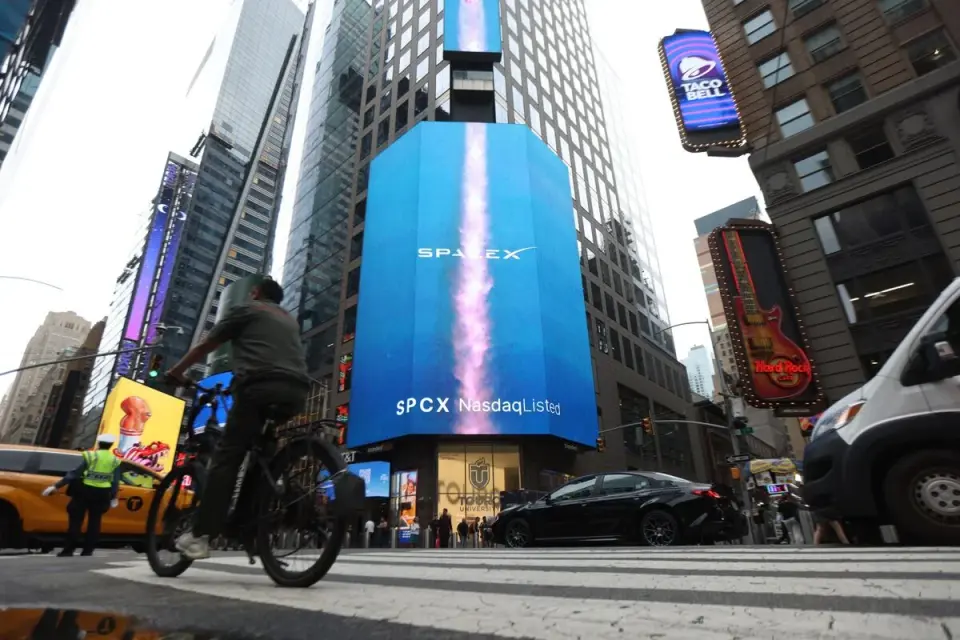
The US Federal Communications Commission (FCC) has authorized SpaceX to launch up to 1 million satellites for a space-based data center network called Starmind. This marks the first-ever US approval for orbital computing infrastructure, a key component of SpaceX’s valuation ahead of its June IPO. While FCC Chairman Brendan Carr hailed the move as a step toward 'super intelligence,' critics and competitors argue the technology is unproven and environmentally hazardous.
Key points
- The FCC approved SpaceX’s request to deploy up to 1 million 'orbital compute modules' for the Starmind constellation, which aims to process AI data in space using solar power.
- Deployment is not immediate; the authorization requires SpaceX to launch at least one station by 2033, 100,000 satellites by 2035, and the full 1 million by 2040.
- The approval faced opposition from Amazon, Viasat, and the American Astronomical Society, who cited risks to astronomical observation, orbital debris, and the feasibility of the project.
- FCC Chairman Brendan Carr dismissed concerns, stating the move extends America’s lead in AI, while astrophysicist Adam Becker called the plan a 'fantasy' that risks space junk collisions.
- SpaceX has acknowledged that orbital data centers rely on unproven technologies and may not be commercially viable, despite the concept being central to its recent IPO pitch.
Background
SpaceX’s orbital data center ambitions were a central part of its valuation during its record-breaking IPO in June 2026. The company had previously sought approval for 42,000 Starlink satellites but deployed fewer, raising questions about whether it will actually launch 1 million Starmind satellites. Competitors like Google and Blue Origin have also pursued space-based computing, with Google launching test chips in October 2026. The approval follows a period of regulatory scrutiny on terrestrial data centers in Texas, where local officials have resisted tax abatements for similar facilities.
How outlets are covering it
Proponents, including FCC Chairman Brendan Carr and Elon Musk, view the approval as a historic step toward harnessing solar power for AI and maintaining US technological dominance. Carr described it as a 'bold new frontier.' Conversely, critics like the American Astronomical Society and astrophysicist Adam Becker argue the plan is scientifically unsound, citing heat dissipation issues in a vacuum and the risk of polluting the night sky. Amazon’s Kuiper Systems labeled the project a 'lofty ambition' rather than a real plan, arguing it would take centuries to build. The FCC dismissed environmental and astronomical concerns, stating they fell outside its regulatory authority.
Why it matters
This authorization sets a regulatory precedent for space-based computing, potentially shifting the AI infrastructure landscape. It validates a high-risk, high-reward strategy for SpaceX, which has tied its valuation to this technology. However, it also highlights growing tensions between commercial space expansion and scientific/environmental preservation, as the number of satellites in orbit could increase fivefold, raising concerns about space debris and astronomical interference.
What to watch
SpaceX must begin deploying at least one Starmind satellite by November 2033. The company aims to launch its first satellites in the third quarter of 2027 using the Starship rocket. If successful, the full 1 million satellites could be in orbit by 2040, potentially reshaping global AI computing capabilities and space traffic management.
- SpaceX Receives Government Approval to Launch Space Data Centers Bloomberg
- SpaceX wins FCC approval to deploy 1 million orbital data center satellites CNBC
- FCC says SpaceX can deploy 1 million satellites for data centers in space. Scientists are skeptical AP News
- Trump administration approves Elon Musk’s plan for datacenters in space The Guardian
- US authorizes SpaceX to deploy 1 million satellites for data centers in space Reuters
Want the full story? Read the original reporting
Read on Bloomberg