
Democratic Senate Control Blocks Trump’s Federal Reserve Board Expansion
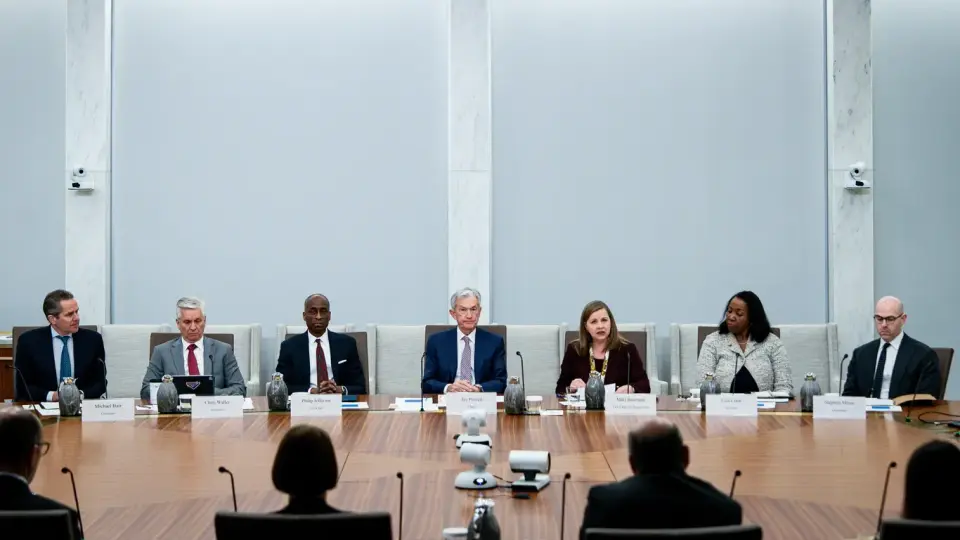
The Democratic victory in the 2026 midterms secures Senate control, blocking President Trump from appointing additional allies to the Federal Reserve board. This shift strengthens the central bank’s independence but creates political friction for Chair Kevin Warsh, who now faces oversight from a hostile Democratic committee led by Elizabeth Warren.
Key points
- Democratic control of the Senate prevents Trump from filling remaining Federal Reserve board seats with loyalists, as three seats remain occupied by Biden appointees and former Chair Jerome Powell.
- Senate Banking Committee leadership will transfer from Republican Tim Scott to Democrat Elizabeth Warren, a vocal critic of Fed Chair Kevin Warsh.
- Warsh faces increased scrutiny over his asset management and less transparent communication style, with Democrats likely to press him on inflation and cost-of-living issues.
- Trump’s ongoing attempt to fire Governor Lisa Cook is likely to stall, as a Democratic Senate would not confirm any replacement nominee.
- The shift may complicate administration efforts regarding stablecoin regulation and bank supervision consolidation.
Background
This development follows recent tensions between the White House and the Federal Reserve, including a September 2026 inspector general report that cleared former Chair Jerome Powell of criminal misconduct regarding a $2.4 billion renovation overrun, though it criticized the board for cost control failures. Trump had previously rejected these findings and demanded Powell’s resignation, while new Chair Kevin Warsh accepted the recommendations. The current political shift occurs amid broader debates over executive power and sanctions, such as the October 2026 controversy over Russian diesel imports.
How outlets are covering it
Axios emphasizes the structural barrier created by the Democratic Senate, noting that it directly stymies Trump’s effort to pack the board with allies. The New York Post, citing Reuters and Monetary Policy Analytics, highlights the personal and operational challenges for Warsh, specifically the transition of the Senate Banking Committee to Elizabeth Warren. While Axios focuses on the appointment blockage, the New York Post details the potential for hostile questioning regarding Warsh’s opaque asset disposition and his less transparent approach to central banking. Both sources agree that the change in congressional control provides the Fed with greater institutional support against political pressure, though the New York Post notes that even some Republicans previously resisted extreme Fed appointments, as seen when Senator Thom Tillis held up Warsh’s nomination earlier in the year.
Why it matters
The outcome preserves the Federal Reserve’s independence from direct executive interference, ensuring that monetary policy decisions regarding interest rates and inflation remain insulated from political pressure. However, it creates a new dynamic where the central bank must navigate a hostile congressional oversight environment, potentially complicating regulatory reforms and increasing the political risk for Fed leadership.
What to watch
The White House is expected to initiate an administrative procedure in the coming weeks to attempt to fire Governor Lisa Cook, a move likely to face a court challenge and a blocked confirmation process for any replacement. Meanwhile, the new Democratic-led Senate Banking Committee will likely begin oversight hearings focused on inflation, cost-of-living concerns, and Warsh’s financial disclosures.
- Trump can't pack the Fed board with allies now Axios
- Democrats' Senate wins cripple Trump's push to reshape the courts Reuters
- Fed Wins Protection With Democrats Taking Control of the Senate Bloomberg
- Fed Chair Kevin Warsh set to face new headaches with Democrats in control: ‘Got no support’ New York Post
- Opinion | This Is the Last Chance to Confirm Originalist Judges WSJ
Want the full story? Read the original reporting
Read on Axios