
Amazon’s NYC Delivery Bill Campaign Backfires as Council Speaker Condemns 'Cynical Ploy'
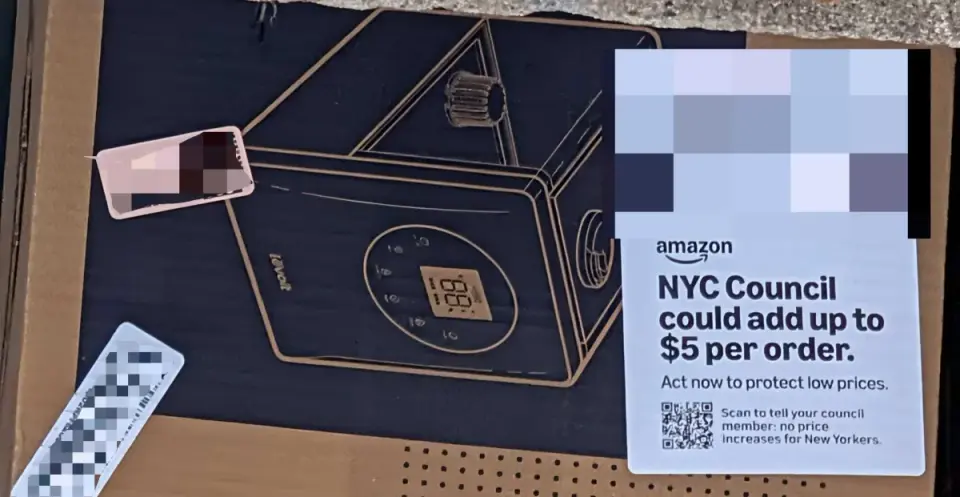
Amazon has escalated its opposition to New York City’s Delivery Protection Act by displaying warning messages on its website and mobile app, claiming the legislation could add up to $5 per order. The bill, which would require companies like Amazon to directly employ delivery workers instead of using third-party contractors, has drawn sharp criticism from City Council Speaker Julie Menin and Mayor Zohran Mamdani. While Amazon argues the measure will harm small businesses and raise costs, critics call the campaign a 'cynical ploy' that is backfiring by uniting political opponents. The bill, which targets over 40 delivery service partners employing roughly 5,000 people in NYC, remains stalled in committee but is expected to reach a vote by year’s end.
Key points
- Amazon launched an in-app and website campaign warning New Yorkers that the Delivery Protection Act could increase delivery costs by up to $5 per order.
- The bill, known as Intro 518, would ban third-party delivery arrangements and require companies to directly employ their workers.
- City Council Speaker Julie Menin called Amazon’s campaign a 'cynical ploy' and 'last-ditch effort' to escape worker protections.
- Mayor Zohran Mamdani and Councilmember Tiffany Cabán condemned the move as 'greed' and 'corporate bullying' from a multitrillion-dollar company.
- Amazon claims the bill would raise customer costs by $400 to $660 annually and has threatened to move warehouses out of NYC.
- The bill targets over 40 delivery service partners employing about 5,000 people in New York City.
Background
This dispute follows a pattern of tech giants using consumer platforms to influence legislation, similar to Uber’s 2015 campaign against for-hire vehicle caps in NYC. Amazon has opposed the Delivery Protection Act since April 2026, and its lobbying arm, the Five Borough Jobs Campaign, has spent over $8 million this year opposing the bill. The city recently passed a ban on algorithmic price discrimination, reflecting broader efforts to regulate corporate practices affecting consumers.
How outlets are covering it
The Verge and Ars Technica highlight the unprecedented nature of Amazon using its shopping platform for political messaging, noting the potential for misinformation. Gothamist emphasizes the political backlash, with Council Speaker Julie Menin and Mayor Zohran Mamdani condemning the campaign as 'cynical' and 'greed,' while PR expert Bradley Tusk argues the strategy is failing to sway public opinion. Business Insider reports on divided public opinion, with some readers supporting the bill for worker protections and others arguing it will harm logistics and small businesses. Labor unions and advocates argue the bill will improve working conditions and hold Amazon accountable, while Amazon claims it will raise costs and harm small businesses.
Why it matters
The Delivery Protection Act represents a significant shift in labor and consumer protection policy, potentially reshaping the gig economy in New York City. Amazon’s aggressive campaign highlights the growing tension between tech giants and local governments over worker rights and corporate accountability. The outcome could set a precedent for how companies use consumer platforms to influence legislation and could impact thousands of delivery workers and small businesses in the city.
What to watch
The bill is expected to reach a vote in the New York City Council by the end of 2026, with Council Speaker Julie Menin insisting that changes to the legislation will not weaken its core intent. Amazon may continue its campaign or threaten to move its operations out of NYC if the bill passes. The outcome will likely influence similar legislation in other cities and states, and could set a precedent for how companies use consumer platforms for political messaging.
- Amazon is complaining about NYC Council on shipping labels, too The Verge
- 'They’re blowing this': Amazon's push against NYC delivery worker bill may be backfiring Gothamist
- Amazon Urges NYC Customers to Oppose Mamdani-Backed Delivery Bill WSJ
- Here's what our readers are saying about Amazon's threat to raise NYC delivery costs Business Insider
- Amazon fights the Delivery Protection Act with homepage banner, in-app pop-up Ars Technica
Want the full story? Read the original reporting
Read on The Verge