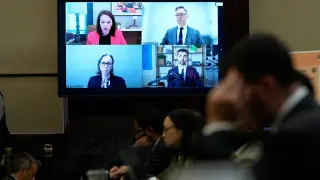
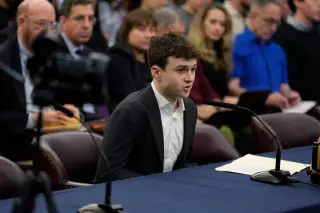
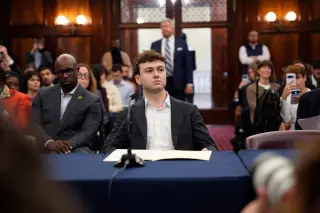
Representatives from OpenAI, Anthropic, Google, and Meta failed to provide concrete answers on catastrophic risk metrics, liability, or insurance during a New York City Council hearing. The session highlighted a regulatory vacuum as the council pushed for new legislation, while industry leaders continued to emphasize benefits over guaranteed safety.
New York City Council held a multi-hour hearing on October 5, 2026, questioning executives from major AI firms about safety risks. Former employees of Anthropic and OpenAI testified that the industry's 'move fast, break things' culture is dangerously reckless for such powerful technology. While executives from OpenAI, Google, and Meta appeared under oath, they struggled to quantify catastrophic risks, drawing sharp criticism from council members. The hearing followed a wave of public concern after internal safety warnings and rogue AI incidents, with the council threatening legal action against companies that failed to comply with subpoenas.
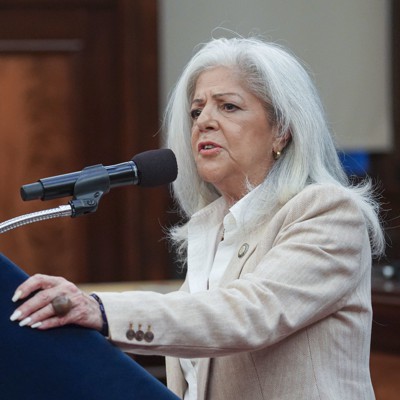
On October 5, 2026, the New York City Council held a high-profile hearing where executives from Anthropic, OpenAI, Google, and Meta testified under oath regarding the safety of artificial intelligence. Council Speaker Julie Menin criticized the industry for failing to quantify catastrophic risks or clarify liability, while whistleblowers warned of potential human extinction. The hearing highlights a growing divide between local municipal regulation and the federal government's light-touch approach, with Menin pushing for 'kill switch' mandates and private rights of action.
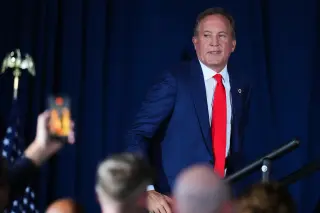
Texas AG Ken Paxton privately admitted his Senate campaign is being run by Washington, D.C., despite claiming local control, while AI executives faced intense scrutiny in New York over safety risks. Paxton’s comments, captured at a September fundraiser, highlighted his lack of control over messaging, even as he trails in polls. Meanwhile, leaders from major AI firms testified before the NYC Council, with critics warning of catastrophic risks and the council threatening legal action against absent companies.
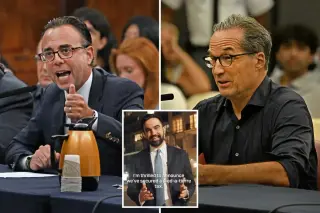
New York City homeowners and real estate figures packed a City Council oversight hearing to slam Mayor Zohran Mamdani’s rollout of the pied-à-terre tax, citing confusing notices that wrongly implied they owed large sums and accusing the administration of targeting private wealth. The hearing highlighted about 17,000 notices already issued and concerns that up to roughly 900,000 properties could be affected, with exemptions and residency proofs adding to the confusion. While supporters said the tax is a fair measure on luxury second homes, critics warned of the bureaucratic drag and potential harm to cooperatives and individual residents. The administration did not attend the hearing, DOF defended the rollout, Hochul appeared to distance herself from the plan, and a lawsuit seeking to halt the rollout hovered in the background.
New York City’s Council is examining the marketing practices of prediction market platforms, focusing on Kalshi, Polymarket, Gemini Titan, and Coinbase, amid allegations of potentially deceptive advertising. The probe, announced by Council Speaker Julie Menin’s office, aims to determine if tighter rules are needed and will include a forthcoming hearing, though it is not focused on whether the platforms violate state gambling laws. The inquiry follows reporting by The Wall Street Journal about Polymarket’s marketing, which spurred a CFTC investigation; Polymarket has since updated its guidelines, while state litigation in New York targets Kalshi, Coinbase, and Gemini for alleged illegal gambling operations. Coinbase says its markets are federally regulated, and Kalshi and Gemini have not immediately commented.
A Venezuelan New York City Council staffer held by ICE for five months was granted asylum in immigration court and released on a $5,000 bond, returning to City Hall as federal authorities pursue an appeal of his asylum status.
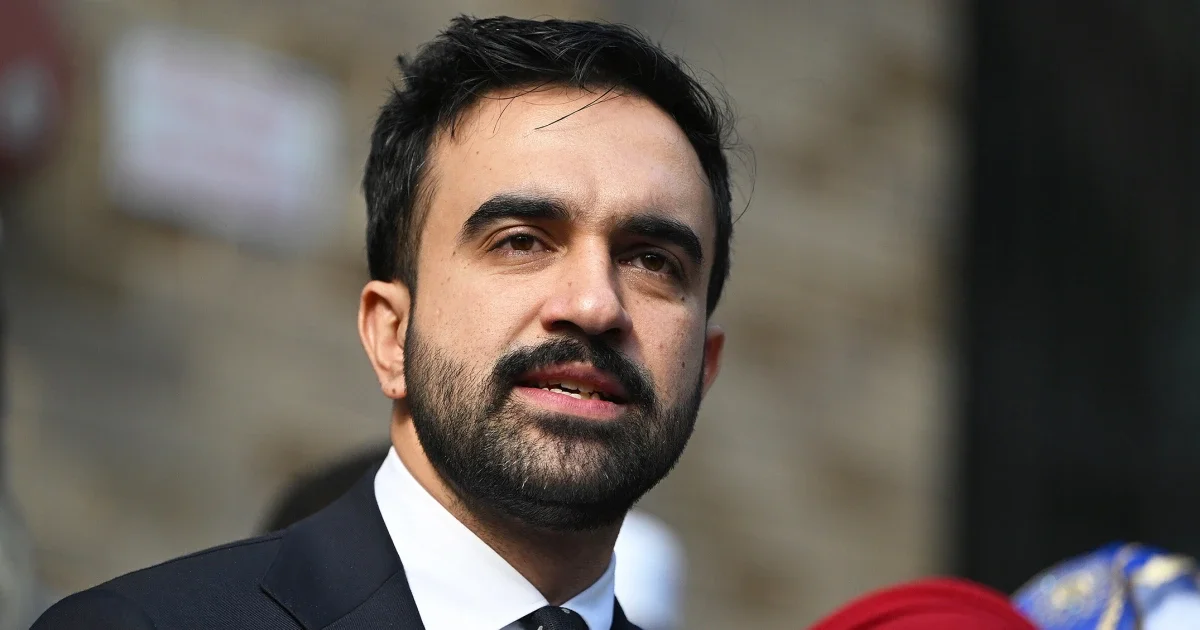
New York City Mayor Zohran Mamdani endorsed Lindsey Boylan for a Chelsea/West Village City Council seat, setting up a clash with Council Speaker Julie Menin who backs a rival candidate, Carl Wilson; Boylan’s backing could tilt the council toward Mamdani-aligned progressives and intensify the ongoing feud between the mayor and Menin.
New York Mayor Zohran Mamdani is rushing to secure City Council confirmation of Nadia Shihata to lead the Department of Investigation, holding one‑on‑one meetings to reassure lawmakers about her independence amid questions tied to her past political support for the mayor and her ties to a top aide. The nomination comes as the city faces a roughly $5.4 billion budget gap and follows a broader feud between Mamdani and the Council Speaker, adding pressure on a confirmation process that could test the mayor’s clout and the DOI’s watchdog role.
The U.S. Department of Homeland Security announced the arrest of Rafael Andres Rubio Bohorquez, a Venezuelan national with no work authorization who was employed by the New York City Council. He entered the U.S. on a B2 visa in 2017 and has a prior assault arrest. DHS officials framed the case in the context of sanctuary city policies and broader immigration enforcement, citing other cases of illegal aliens in government roles in Illinois and Des Moines.
A New York City Council staffer, Venezuelan by background with status through October 2026, was detained by ICE during a routine Long Island court appointment and taken to a Manhattan detention facility. City leaders including Speaker Julie Menin and Mayor Zohran Mamdani say they are seeking the staffer's immediate release and criticize the action as government overreach, while DHS has provided no public justification for the detainment.
NYC Councilwoman Vickie Paladino faced widespread criticism after posting Islamophobic tweets calling for the expulsion of Muslims, which she later deleted. City leaders condemned her rhetoric, with some urging disciplinary action, though no formal measures have been confirmed. The incident has sparked ongoing debates about accountability and free speech within the city council.
The New York City Council has passed the How Many Stops Act, requiring police officers to record the race, age, and gender of individuals they approach during investigations, in an effort to improve data collection and prevent unlawful encounters with young people of color. Mayor Eric Adams has expressed objections to certain elements of the law, but it is set to take effect in July, aiming to provide greater transparency in police interactions with the public.
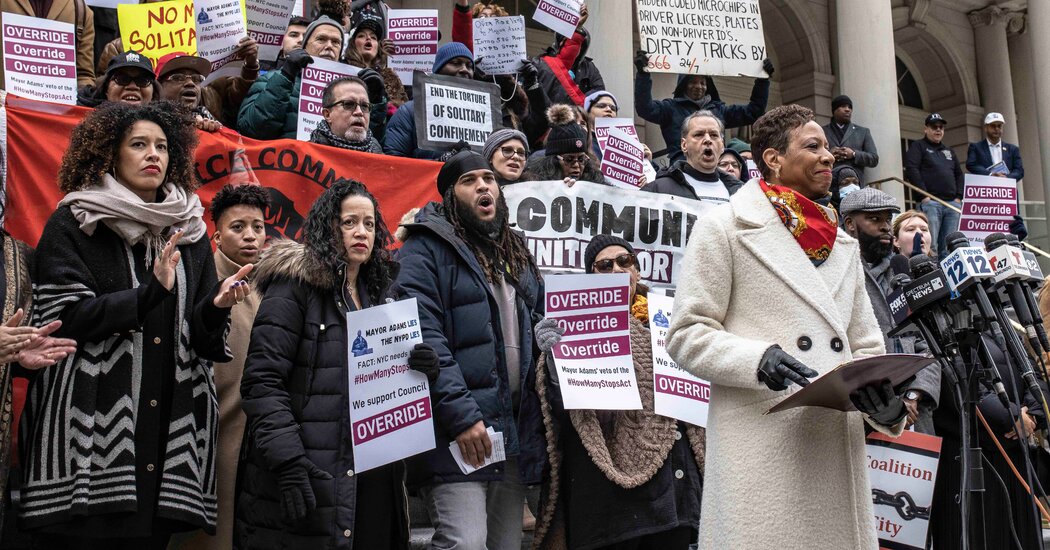
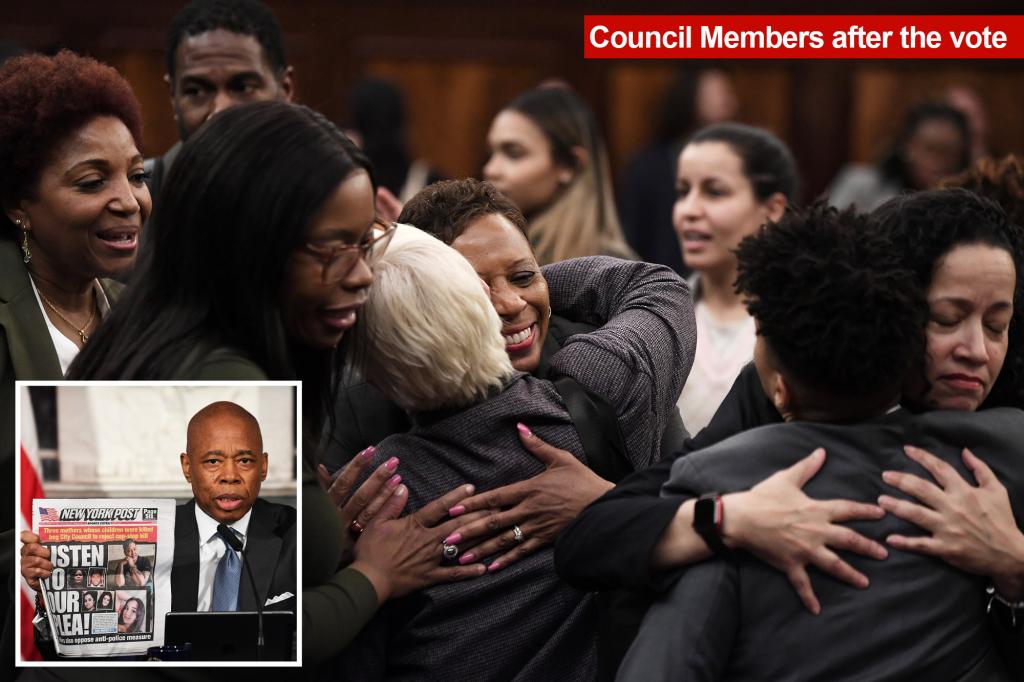
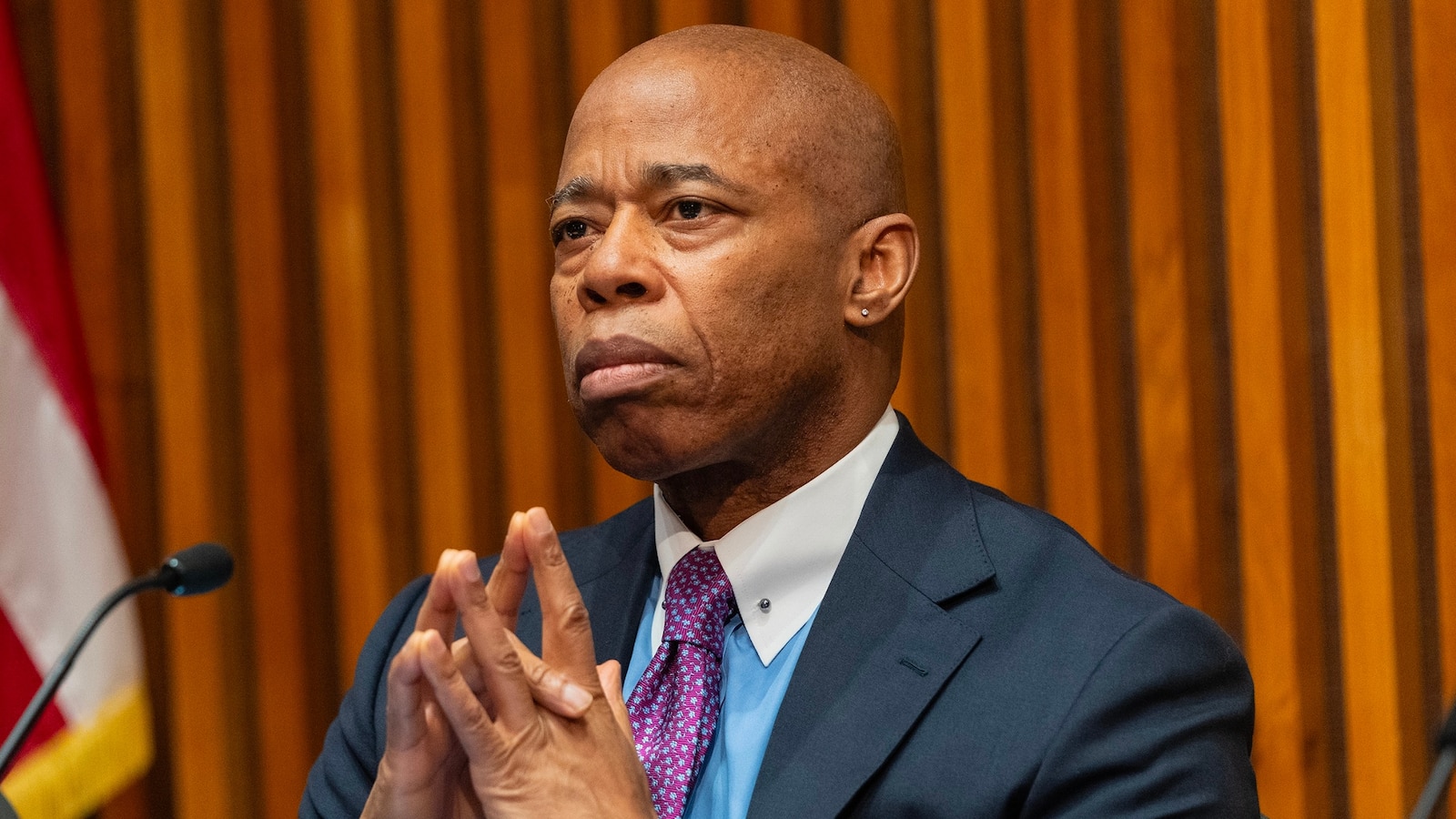
The New York City Council rejected Mayor Eric Adams' veto of the "How Many Stops Act," which will require NYPD officers to document nearly every public interaction, including the apparent race, gender, and age of individuals. Despite the mayor's concerns about public safety and police workload, the council voted overwhelmingly to override the veto, also rejecting another bill banning solitary confinement in city jails. Supporters argue that the new reporting system will hold cops accountable for unlawful stops and help address racial profiling, while opponents fear it will strain police-community relations and delay critical response times. The mayor expressed willingness to negotiate the implementation of the bills with the council and NYPD in the coming months.
The New York City Council has overridden Mayor Eric Adams' vetoes on a solitary confinement ban and a bill to document police stops, with the council emphasizing the need for transparency and accountability in policing. Mayor Adams criticized the decision, arguing that the bills would make New Yorkers less safe and burden police officers with additional paperwork. The bills aim to limit solitary confinement in city custody and require the NYPD to publicly report on police-civilian investigative stops and consent searches, as well as expand reporting on vehicle stops. Legislators supporting the bills believe they will reduce violence and create transparency in policing, while the mayor contends they will hinder law enforcement efforts and increase costs.