
Bipartisan momentum builds for chip export laws as Nvidia scandal rattles Chinese tech markets
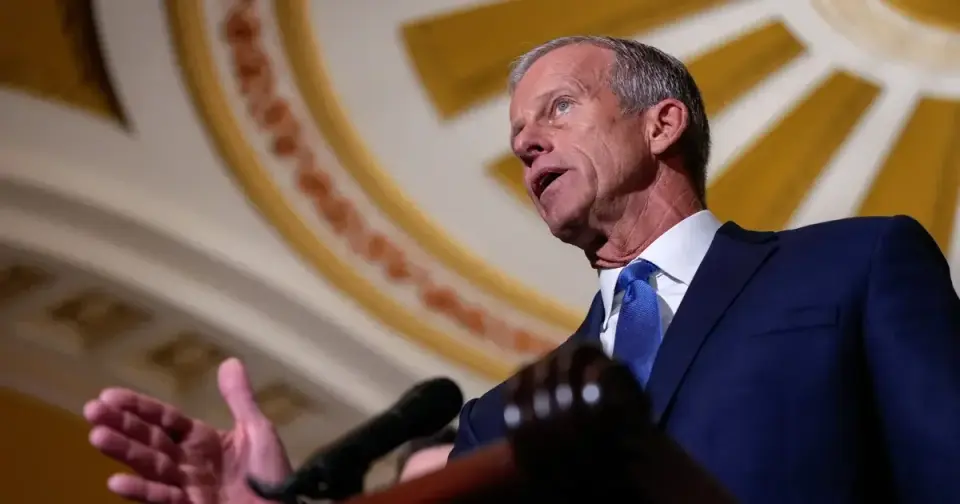
Congress is moving to strengthen AI chip export restrictions to China via the National Defense Authorization Act, driven by the resignation of Nvidia CEO Jensen Huang and allegations involving a suspected Chinese spy. While Senate leaders express high confidence in passing new measures, disagreements remain over specific provisions, and the legislation faces potential obstruction from Democratic efforts to link it to Iran war funding. Meanwhile, Chinese tech stocks like Alibaba have fallen sharply amid fears of tighter US regulations.
Key points
- Senate Majority Leader John Thune stated there is a 'high probability' that Congress will impose stricter chip export controls by year's end, with three key bills potentially included in the NDAA.
- The proposed legislation includes the Chip Security Act to track chip locations, the MATCH Act to close equipment loopholes, and the AI Overwatch Act to treat chip sales like arms sales with congressional oversight.
- House Speaker Mike Johnson and Minority Leader Hakeem Jeffries support the measures, citing a 'developing consensus' following the scandal involving Nvidia CEO Jensen Huang and Megaspeed International.
- Chinese tech stocks reacted negatively to the news, with Alibaba shares dropping nearly 7% and Tencent falling 2.6%, as investors fear intensified US restrictions on AI access.
- Democrats are considering using the NDAA or government funding deadlines to push for provisions ending the war in Iran, which could jeopardize the defense bill's passage and delay export control reforms.
Background
This development follows the resignation of Jensen Huang on November 12, 2026, amid reports of an affair with Alice Huang, an executive at Megaspeed International, a Singapore firm suspected of diverting $4 billion in Nvidia chips to China. Previous coverage noted that Commerce Secretary Howard Lutnick faced bipartisan pressure for allegedly stalling export controls, and that the Justice Department is investigating the Megaspeed transactions. Earlier in the year, similar AI oversight bills were dropped from the House version of the NDAA after lobbying from the semiconductor industry and the White House, but the current scandal has shifted the political landscape.
How outlets are covering it
Semafor emphasizes the legislative mechanics, noting that while Senate leaders like John Thune and Roger Wicker support the measures, no final deal exists yet to include them in the NDAA. They highlight that the bills have gained unexpected momentum due to the scandal, overcoming previous industry opposition. Barron’s focuses on the market impact, reporting that the fallout has hit Chinese tech stocks like Alibaba and Tencent, and notes that national security hawks now have momentum from both the scandal and recent Democratic electoral gains. While Semafor focuses on the political consensus, Barron’s highlights the financial consequences and the specific loophole regarding remote access to computing power that new bills aim to close.
Why it matters
The outcome of these negotiations will determine the future of US technological dominance and national security strategy. If the AI Overwatch Act passes, it would fundamentally change how chip sales are regulated, potentially isolating China from advanced AI training capabilities. Conversely, if the NDAA fails due to unrelated political disputes over Iran, the US may miss a critical window to secure its technological edge, leaving loopholes in export controls open for adversaries to exploit.
What to watch
Lawmakers are currently negotiating the final version of the NDAA, with a decision expected on whether to include the three export control bills. The Justice Department continues its investigation into Megaspeed International. In the coming weeks, investors will watch for further volatility in Chinese tech stocks as the regulatory landscape clarifies. Additionally, Democrats must decide whether to prioritize Iran war provisions over the defense bill, a choice that could trigger a government shutdown or delay critical security legislation until the next congressional session.
- ‘A high probability’: Congress pushes tighter export controls following Nvidia scandal Semafor
- How Jensen Huang’s ouster is paving the way for the policy outcome he fiercely battled Politico
- Explainer-Tougher curbs on AI chip sales to China likely after Nvidia CEO resigns Yahoo! Finance Canada
- China's access to some Nvidia chips in doubt as curbs gain traction in US Congress Reuters
- Nvidia Fallout Hits Alibaba and Other China Stocks as Tighter Regulation Looks Likely Barron's
Want the full story? Read the original reporting
Read on Semafor