
Bipartisan panel reveals 879,000 AI chips sold to China despite export controls
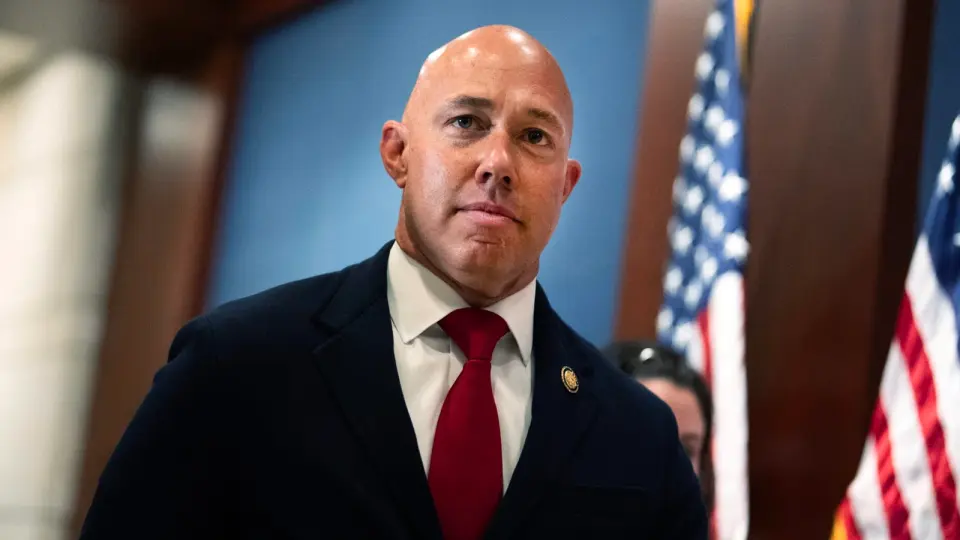
The House Foreign Affairs Committee released documents showing the Commerce Department’s Bureau of Industry and Security approved over 879,000 AI chip sales to Chinese firms, including Alibaba and Tencent, as of May 2026. Some recipients were designated as Chinese Military Companies by the Department of Defense. Rep. Brian Mast identified two licensees, Maginfra and New Matrix, as suspected smuggling fronts with empty offices. This disclosure follows the resignation of Nvidia CEO Jensen Huang and ongoing disputes between Treasury and Commerce secretaries over export enforcement failures.
Key points
- Documents released by the House Foreign Affairs Committee indicate the Bureau of Industry and Security approved more than 879,000 AI chip sales to Chinese companies as of May 2026.
- Recipients included major tech firms like Alibaba and Tencent, as well as entities designated by the Department of Defense as Chinese Military Companies.
- Rep. Brian Mast, R-Fla., stated that two licensees, Maginfra and New Matrix, are suspected smuggling fronts with ties to sanctioned entities and empty offices.
- Rep. Gregory Meeks, D-N.Y., criticized the Bureau of Industry and Security for failing to enforce rules, stating that national security and technology edges are at risk.
- The disclosures follow the resignation of Nvidia CEO Jensen Huang and a public feud between Treasury Secretary Scott Bessent and Commerce Secretary Howard Lutnick over the failure to block chip exports via the Singaporean firm Megaspeed.
- As of May 2026, there were 3.4 million requested sales of US AI chips to China, according to the committee, citing applications from Nvidia and Advanced Micro Devices.
Background
This development occurs amid a broader crisis in US-China technology relations. In late November 2026, Nvidia CEO Jensen Huang resigned after news surfaced that he had an affair with a suspected Chinese spy linked to the Singaporean firm Megaspeed, which had purchased over $4 billion in Nvidia chips. The scandal triggered a public dispute between Treasury Secretary Scott Bessent and Commerce Secretary Howard Lutnick, with Bessent blaming Lutnick’s department for failing to blacklist Megaspeed despite warnings. In response, the Commerce Department issued an interim rule on November 16 to close loopholes allowing remote access to US AI chips via third-country data centers, such as those in Singapore and Malaysia. The current document release by the House Foreign Affairs Committee represents a formal congressional oversight step following these internal administrative conflicts and the resignation of key industry leaders.
How outlets are covering it
CNBC emphasizes the scale of the approvals and the specific allegations by Rep. Brian Mast regarding 'smuggling fronts' like Maginfra and New Matrix, highlighting the potential for fraud and national security risks. The New York Times provides a deeper investigative context, detailing how the Singaporean firm Megaspeed, linked to the Huang scandal, purchased over $4 billion in chips and how Alibaba’s AI technology aided a lab with military links. While CNBC focuses on the legislative reaction and the specific numbers released by the committee, the New York Times frames the issue as a systemic failure in export controls that allowed advanced technology to reach Chinese military entities through complex corporate structures. Both sources agree that the Bureau of Industry and Security failed to adequately enforce existing restrictions, but they differ in focus: CNBC highlights the political fallout and congressional oversight, while the New York Times details the operational mechanics of the chip diversion.
Why it matters
The revelation that the Commerce Department approved hundreds of thousands of AI chip sales to Chinese entities, including those designated as military companies, underscores a significant failure in US export control enforcement. This has direct implications for national security, as advanced AI chips are critical for military applications and technological dominance. The incident has triggered a political crisis within the Trump administration, with Treasury and Commerce secretaries publicly clashing, and has led to bipartisan calls for stricter legislation. It also raises questions about the integrity of the US tech industry, as the resignation of Nvidia’s CEO and the involvement of suspected front companies suggest deep-seated vulnerabilities in the supply chain that could compromise US technological leadership and security interests.
What to watch
Congress is expected to conduct rigorous oversight of the administration’s chip export policies, as stated by Rep. Gregory Meeks. There are bipartisan calls for legislation to impose stricter export controls on the sale of advanced AI chips to China and other adversaries. The Commerce Department may face further scrutiny and potential investigations, with Democrats preparing to take control of Congress in January. The administration may need to address the internal feud between Bessent and Lutnick, with some advisers discussing the potential dismissal of Lutnick. Additionally, the Commerce Department may issue further rules to close remaining loopholes in export controls, particularly regarding remote access and third-country data centers.
- Commerce approved sales of more than 879,000 AI chips to Chinese companies, Rep. Mast says CNBC
- Opinion | The Jensen Huang doctrine loses in Washington The Washington Post
- How Nvidia Chips Ended Up Within Reach of China’s Military The New York Times
- America must get serious about Chinese chip spying The Economist
- The Jensen Huang Saga Has Reinvigorated Washington’s China Hawks WSJ
Want the full story? Read the original reporting
Read on CNBC