
AI Rush Pushes U.S. Trade Gap to 16-Month High in July
The U.S. trade deficit widened to $88.6 billion in July—the largest in 16 months—as imports, including electronics for the AI boom, outpaced exports.

All articles tagged with #commerce department
The U.S. trade deficit widened to $88.6 billion in July—the largest in 16 months—as imports, including electronics for the AI boom, outpaced exports.
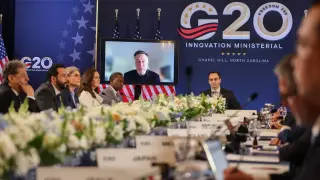
At the G20 Innovation Ministerial, U.S. officials tout a united AI leadership, but a behind‑the‑scenes clash between OSTP and the Commerce Department over policy direction—and messaging on data centers—exposes internal tensions as Washington weighs how aggressively to regulate AI and whether to create a new regulatory body, all while insisting the team is one.

Polestar says it was led to believe its US EV sales would continue after engaging with the Commerce Department, but the BIS-approved Volvo outcome contrasted with Polestar’s denial, forcing Polestar to halt US deliveries starting with the 2027 model year. The company has pressed for an explanation, noting it offered mitigation measures to comply with the China-connected software ban, and has faced a dealer lawsuit over its exit from the US.

Polestar remains barred from selling cars in the United States amid a broader crackdown on Chinese vehicle tech, while its sister company Volvo is allowed to operate with largely identical models and software. Polestar says it does not understand the basis for the denial, noting that Volvo received approval first, and that negotiations included potential mitigations. The decision has spurred questions from dealers, including a lawsuit seeking damages, and Polestar is shifting its focus to Europe as Volvo continues in the U.S. The situation has critics calling the treatment “contrary to law.”

The U.S. Commerce Department has lifted export restrictions on Anthropic's Mythos 5 and Fable 5, allowing customers to regain access starting July 1. Anthropic had paused access after the restrictions were imposed and will redeploy Mythos 5 to a set of U.S. organizations defending critical infrastructure, while Fable's access is being resumed after the company agreed to address security risks.

The US Commerce Department declined to authorize imports of Polestar cars starting with model year 2027 due to a rule barring connected cars from automakers with Chinese links, effectively stopping new Polestar models in the US beyond existing stock. Polestar will continue servicing current vehicles (e.g., Polestar 3/4) and supporting customers, but future models like the Polestar 5/6 won’t be sold in the US. Polestar is owned by Zhejiang Geely Holding, with production spread across the US (Polestar 3 in South Carolina), Korea, and China; Volvo’s MY27 imports were authorized separately.

A new Regime Change excerpt from Maggie Haberman and Jonathan Swan portrays a volatile White House, detailing Donald Trump’s furious outburst at Commerce Secretary Howard Lutnick (calling him a “pussy” and saying he’d become soft), with Lutnick allegedly firing back about tariffs, illustrating a tense cabinet dynamic. The book also covers related revelations (including Lutnick’s past ties to Jeffrey Epstein and Trump’s grandiose Oval Office decor and power claims) based on extensive interviews; the White House did not provide comment.

Volvo Cars has received a specific authorization from the U.S. Department of Commerce to import and sell connected cars in the United States despite a broader 2027+ ban on software linked to China, with approvals granted on a case-by-case basis under the Securing the Information and Communications Technology and Services Supply Chain rule. The move, tied to Volvo’s governance and data-security commitments and involving a partial stake by Geely, could influence whether other Chinese-owned electric vehicles can enter the U.S. market in coming years.

Under a voluntary expansion of Biden-era accords, the US Department of Commerce will test AI models from Google (Gemini via DeepMind), Microsoft (Copilot), and xAI (Grok) through the Center for AI Standards and Innovation to evaluate capabilities and security, with CAISI noting it has run about 40 prior evaluations and emphasizing collaborative research and best-practice development for commercial AI systems.

US retail sales rose 1.7% in March, the fastest monthly pace since January 2023, driven by a record spike in gas prices that boosted gasoline-station spending by 15.5% month over month. Excluding gas, retail sales were up 0.6%, with gains across categories like furniture and home furnishings (up 2.2%) and electronics/building materials, while apparel was flat and restaurants rose just 0.1%. Economists had expected about a 1.6% increase. The gas-price spike came amid geopolitical tensions in the Middle East, including the war with Iran and the closure of the Strait of Hormuz, though tax refunds helped households weather the oil shock.

The Commerce Department revised U.S. fourth-quarter GDP growth down to 0.5%, signaling a softer end to the year and potentially influencing the 2026 outlook and Federal Reserve policy as spending and investment cooled.

U.S. retail sales were unchanged in December, missing economists’ expectations of about 0.4% growth and reversing November’s gain. The flat month came as furniture and miscellaneous stores fell (-0.9% each) while home improvement rose 1.2%, and the control group slipped 0.1%. The report, seasonally adjusted but not inflation-adjusted, was delayed by last year’s government shutdown. Despite slower hiring and stubborn inflation, Americans haven’t slashed spending, but December’s stagnation suggests consumer activity may be nearing a spending ceiling.

Geely, which controls Volvo, plans to build cars in the U.S. via Volvo’s South Carolina plant, but a new Commerce Department rule requires that all software and connectivity tech be free of Chinese control. Software for model years 2027+ must be certified, with per-model/year authorizations, and hardware bans begin for 2030; no waivers have been issued yet. Volvo may help navigate approvals, but Geely would need to prove software origin and data governance for every model/year before selling in America.

November’s trade data show the U.S. deficit widening to $56.8 billion as imports rose 5% and exports fell 3.6%, reflecting ongoing volatility from tariff policies and the reversal of earlier deficits.
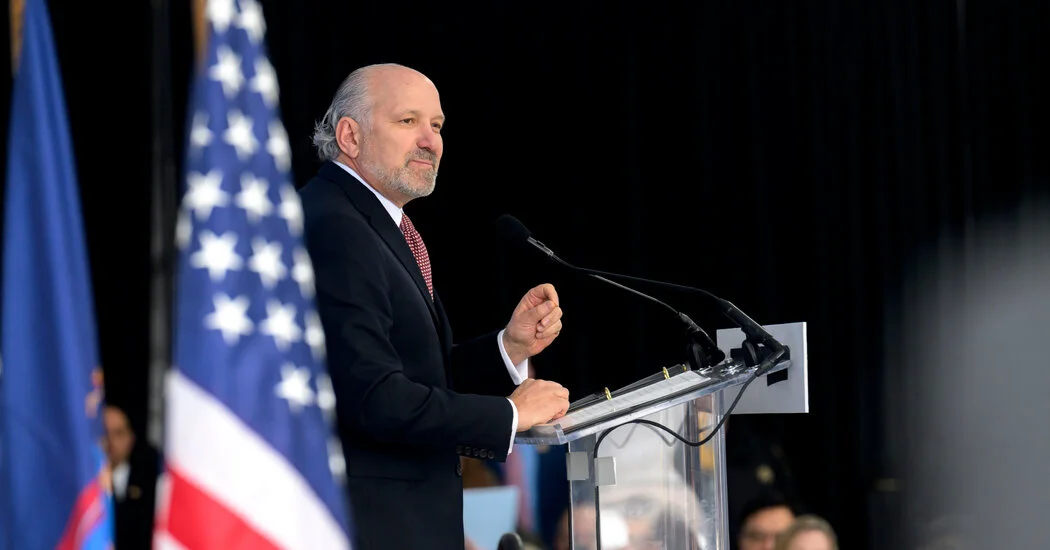
The Trump administration announced up to $277 million in direct funding and up to $1.3 billion in loans to USA Rare Earth to bolster domestic supply chains for rare earth minerals and magnets, taking about 16 million shares plus a warrant for 17.6 million more as part of broader government equity stakes in private firms. The effort, aiming to reduce China’s dominance in critical materials, includes a Texas mine slated for 2028 and an Oklahoma magnetics project, and comes amid scrutiny over Cantor Fitzgerald’s ties to Commerce Secretary Lutnick.