
Bipartisan Senate bill seeks to avert Dec. 11 federal hemp ban as businesses brace for disruption
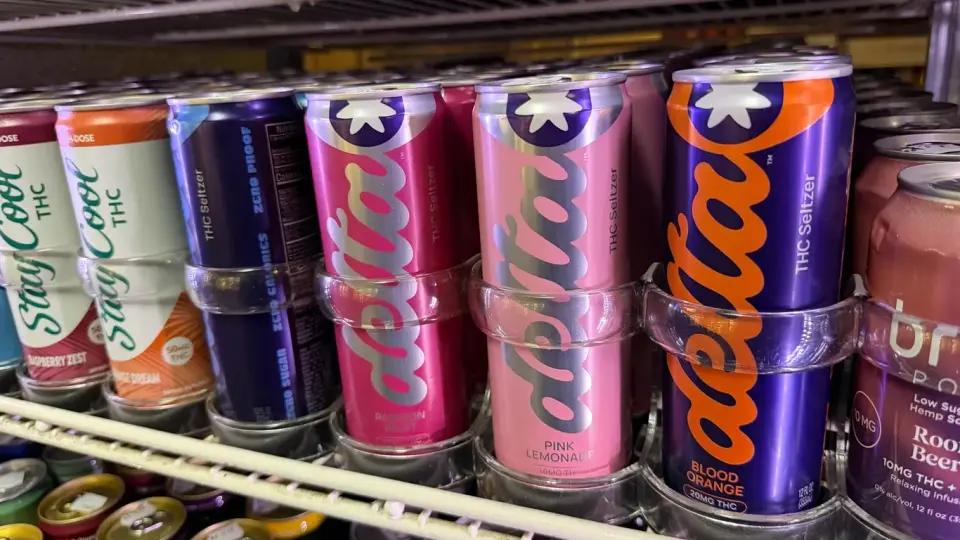
A federal ban on most intoxicating hemp-derived THC products is scheduled to take effect on December 11, 2026, threatening a $28 billion industry. While some businesses in states like North Carolina and Minnesota plan to continue operating under state laws, they face risks of federal prosecution, banking restrictions, and supply chain disruptions. In response, Senators Tim Sheehy and Amy Klobuchar introduced the Hemp Guardrails Act to replace the ban with a regulatory framework, including age limits and manufacturing standards, before the deadline.
Key points
- The federal ban, passed in November 2025, restricts hemp products to less than 0.4 milligrams of THC per container, effective December 11, 2026.
- Sens. Tim Sheehy (R-MT) and Amy Klobuchar (D-MN) introduced the Hemp Guardrails Act to prevent recriminalization, proposing a 1% THC threshold, a 21+ age limit, and FDA oversight.
- North Carolina businesses like Crowntown Cannabis plan to continue operating using only in-state products, despite risks of federal charges and banking issues.
- Minnesota retailers face logistical challenges; Total Wine and More may drop THC products due to cross-state sourcing restrictions, while local stores like Jes Naturals will limit sales to in-state products and cash payments.
- Delta Beverages has furloughed 15 employees and is lobbying for a 60- to 90-day extension to allow for regulatory development.
Background
The current federal definition of hemp was established by the 2018 Farm Bill, which legalized hemp with less than 0.3% delta-9 THC. Recent legislation narrowed this definition, leading to the scheduled December 11 ban. Earlier in November, Illinois paused enforcement of its own hemp restrictions for 250 businesses pending a federal court hearing, highlighting the legal complexities surrounding hemp products. The new federal law aims to restrict unregulated THC products, but opponents argue it goes too far, creating a conflict between state and federal regulations.
How outlets are covering it
Axios highlights the financial risks and operational challenges for North Carolina businesses, noting that some may shift to cash-only models and face potential raids. 5 EYEWITNESS NEWS focuses on the impact on the beverage industry in Minnesota, where Total Wine and More may drop THC products due to cross-state sourcing restrictions, while local stores like Jes Naturals will limit sales to in-state products. Marijuana Moment details the bipartisan Hemp Guardrails Act, emphasizing the need for a regulatory framework to replace the ban, including age limits and FDA oversight. Semafor notes the timing of the bill, which coincides with the December 11 government funding deadline, and highlights the role of veterans groups in supporting the legislation. The sources differ in their emphasis: Axios and 5 EYEWITNESS NEWS focus on the immediate impact on businesses, while Marijuana Moment and Semafor focus on the legislative response and the potential for a regulatory framework.
Why it matters
The December 11 federal ban could disrupt a $28 billion industry, leading to job losses, business closures, and reduced access to hemp-derived products. The proposed Hemp Guardrails Act could provide a regulatory framework that balances safety and economic interests, but its passage is uncertain. The situation highlights the tension between federal and state regulations, with businesses and lawmakers seeking a compromise that avoids outright prohibition while ensuring consumer safety.
What to watch
The Hemp Guardrails Act must be passed before December 11 to prevent the federal ban. Lawmakers are also exploring attaching hemp provisions to larger spending legislation, such as a continuing resolution. If the bill fails, businesses may face federal prosecution, banking restrictions, and supply chain disruptions. The FDA is also expected to set rules for hemp products within 180 days, but it is currently more than nine months late in fulfilling a legal mandate to publish a list of known cannabinoids.
- "We're in too deep": THC businesses brace for ban Axios
- New THC federal law will impact beverage availability 5 EYEWITNESS NEWS
- Bipartisan Senators File Bill To Keep Hemp THC Products Federally Legal As Next Month's Scheduled Ban Looms Marijuana Moment
- What does a federal hemp ban mean for a Texas industry high on hope after midterm elections? WFAA
- Exclusive / Sheehy, Klobuchar look to solve hemp dispute Semafor
Want the full story? Read the original reporting
Read on Axios