
De Cos Secures ECB Presidency Backing, Formal Appointment Pending
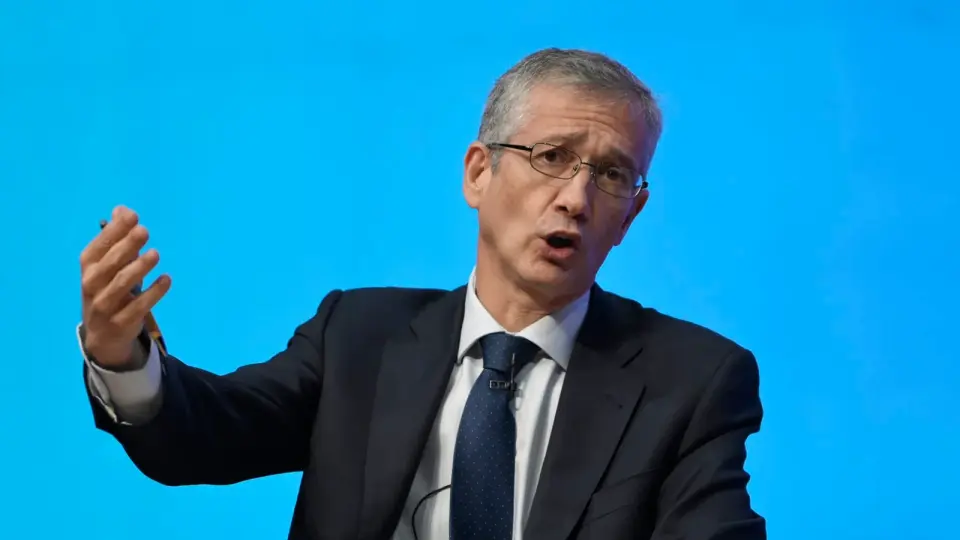
Pablo Hernández de Cos has secured the backing of euro zone leaders to succeed Christine Lagarde as European Central Bank president, a decision expected to be formalized next year. The appointment follows intense negotiations among major European economies to balance northern and southern representation on the central bank's executive board. De Cos, a career central banker and current General Manager of the Bank for International Settlements, is set to take over from Lagarde, who is stepping down early in February 2027. The transition occurs amid rising inflation, political uncertainty in France, and debates over the ECB's response to sovereign debt risks.
Key points
- Euro zone leaders backed Pablo Hernández de Cos at the European Council Summit, ending a race against Dutch candidate Klaas Knot.
- The Netherlands agreed to support Knot in exchange for other positions, including Germany’s Markus Brunnermeier as chief economist and France’s Laurence Boone as head of the Markets Portfolio.
- De Cos, a 55-year-old economist, served as Bank of Spain governor from 2018 to 2024 and has been BIS General Manager since July 2025.
- Christine Lagarde is set to step down on February 7, 2027, cutting her term short to avoid potential influence from France’s upcoming presidential election.
- De Cos is described as a pragmatic 'owl' rather than a hawk or dove, having supported both dovish stimulus and hawkish rate hikes depending on the economic regime.
Background
Christine Lagarde announced her early resignation in October 2026, citing a desire to speak freely and avoid political interference from France’s far-right candidates. The succession race intensified in November 2026 as Spain and the Netherlands submitted their final candidates. De Cos’s appointment is part of a broader package deal to balance northern and southern European interests on the ECB’s six-member executive board, a dynamic that has shaped ECB leadership since the 2010s sovereign debt crisis.
Why it matters
De Cos’s appointment signals Europe’s commitment to central bank independence amid global pressures. His pragmatic approach is seen as crucial for navigating rising inflation, energy price shocks, and potential sovereign debt crises, particularly in France. The leadership transition also reflects a shift toward balancing northern and southern European economic interests, as southern economies have become stronger growth drivers while Germany struggles with industrial costs.
What to watch
De Cos’s appointment requires formal consultation with the European Parliament and the ECB’s Governing Council, though neither has veto power. He is set to assume the presidency on February 7, 2027, alongside Boris Vujčić as vice president. The ECB will face challenges from rising euro area inflation, French debt risks, and political uncertainty ahead of elections in multiple member states.
Want the full story? Read the original reporting
Read on CNBC