
California Tire Mandate Sparks Industry Backlash and Cost Concerns
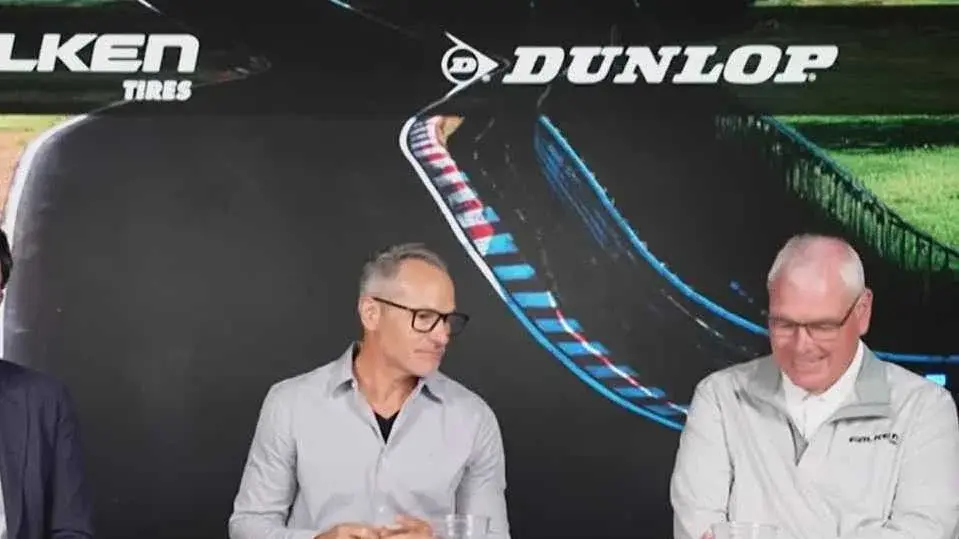
California's new replacement tire efficiency standards, approved by the Energy Commission in August 2026, face strong opposition from manufacturers like Dunlop, who warn of price hikes and reduced choices. While the state projects billions in fuel savings and significant emission cuts, critics argue the rules will burden consumers and eliminate budget options.
Key points
- The California Energy Commission unanimously approved the nation's first efficiency standards for replacement tires on passenger vehicles and light-duty trucks, with implementation beginning in 2029.
- Dunlop Tires CEO Darren Thomas warned that the regulations will likely increase tire prices by 15-20% and reduce the number of available manufacturers and products in the market.
- The Commission estimates the rules will save California drivers nearly $1 billion annually in fuel and electricity costs and reduce carbon dioxide emissions by 2 million metric tons per year.
- Republican State Senator Tony Strickland called on the five members of the Energy Commission to resign, arguing the rules are 'tone-deaf' to the state's high cost of living.
- Former Assemblyman Joe Nation, who authored the 2003 legislation enabling the rules, defended the Commission's work but acknowledged concerns about budget tire availability and quality.
Background
The regulatory framework stems from Assembly Bill 884, passed in 2003, which directed the California Energy Commission to adopt replacement tire efficiency standards. Although the bill set a 2008 deadline, the Commission delayed implementation until August 2026 due to federal standard developments and economic conditions. Previous coverage noted that Governor Gavin Newsom defended the rules as a long-term financial and environmental benefit, while earlier reports highlighted concerns that 70% of current tire inventory would not meet the 2033 standards, potentially eliminating budget options for consumers.
How outlets are covering it
Dunlop Tires and Falken executives, owned by Sumitomo Rubber Industries, criticized the rules as 'harsh' and predicted significant price increases, arguing that under-inflated tires cause more mileage loss than the new standards address. In contrast, the California Energy Commission, led by Chairman David Hochschild, maintained that the rules will not compromise safety or durability and will yield substantial environmental and financial benefits. Republican lawmakers, including Senator Tony Strickland, condemned the mandate as an unnecessary burden on families, while former Assemblyman Joe Nation defended the Commission's technical analysis, noting that budget tires are often lower quality. Michelin and Bridgestone supported the targets as technically feasible, whereas Goodyear and the California Tire Dealers Association previously warned that costs would exceed government estimates.
Why it matters
The regulation sets a precedent for national tire efficiency standards, potentially influencing other states and federal policy. It directly impacts consumer costs, vehicle choice, and environmental outcomes, highlighting the tension between immediate affordability and long-term sustainability in California's regulatory landscape.
What to watch
The first phase of the regulations begins in 2029, with a second phase starting in 2033. Manufacturers will monitor the market for potential California-only tire production, while lawmakers may consider pausing other bills pending cost analyses. The Commission will continue to enforce the standards, with a new leaf-rating system to signal tire efficiency.
- California tire rules spark backlash from Dunlop Tires, with cost being 'a real issue' KCRA
- More fallout from California’s tire regulation San Diego Union-Tribune
- California senator urges commission to resign after tire rule The Center Square
- Say Goodbye to Your Favorite Sticky Tires, at Least in California Autoweek
- What To Know About New California Replacement Tire Rules GM Authority
Want the full story? Read the original reporting
Read on KCRA