
Freedom Fuel's Low Prices Mask Regulatory Violations and Financial Mysteries
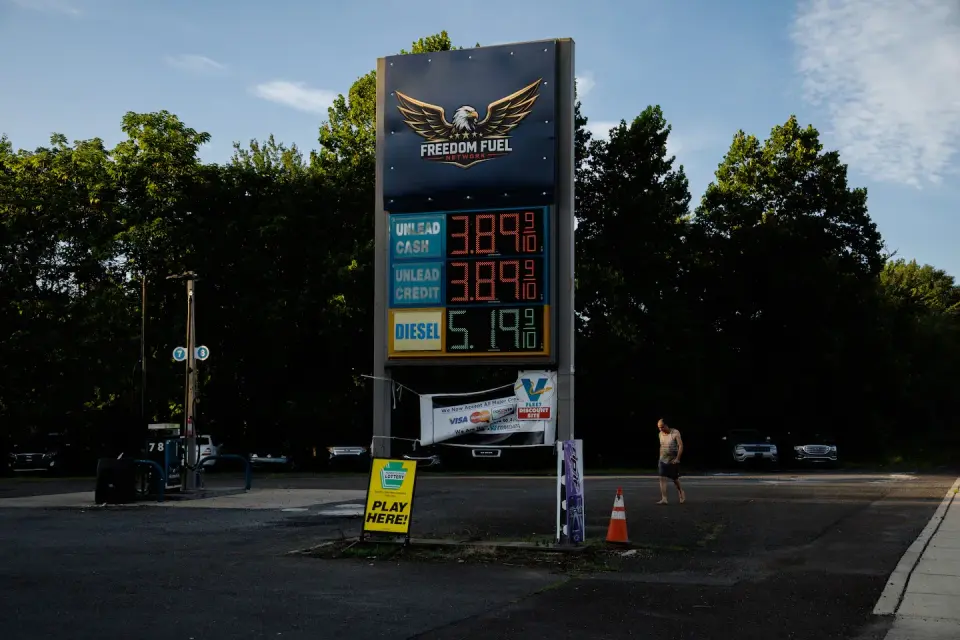
Freedom Fuel Network, praised by President Trump for offering discounted gasoline in Pennsylvania and New Jersey, faces scrutiny over its operational transparency and regulatory compliance. While the chain provides fuel at prices significantly below market rates, it has accumulated nearly 200 penalties in New Jersey for environmental and safety violations. The White House promoted the initiative as a patriotic effort to lower pump costs, yet details regarding funding and ownership remain opaque, raising questions about the sustainability of the discounts and the administration's awareness of the operators' legal issues.
Key points
- Freedom Fuel operates 29 stations in Pennsylvania and New Jersey, offering gasoline at prices well below the national average, despite recent price hikes.
- The network's operator, Shamikh Kazmi, and owner, Blue Owl Capital, have faced 196 violations in New Jersey since 2022, resulting in a $429,900 penalty for issues like unregistered storage tanks and air permit violations.
- Trump praised the network in July 2026, calling the backers 'patriots,' while the White House stated it was unaware of the regulatory penalties and insisted the program is privately funded without government subsidies.
- Experts and nearby independent gas station owners question the financial sustainability of the discounts, noting that some Freedom Fuel locations have charged prices comparable to or higher than competitors at various times.
- The New Jersey Attorney General is investigating the network for potential violations of state laws prohibiting the sale of gasoline below cost.
Background
In July 2026, the Trump administration launched the 'Freedom Fuel' initiative, promoting 25 gas stations in the Philadelphia area and southern New Jersey that sold regular gasoline for approximately $3.47 per gallon, significantly lower than the national average of $3.79. While the White House claimed the program was privately funded and aimed at helping consumers, details regarding the funding mechanism and operational structure were not disclosed. Initial reports indicated that some stations charged higher prices than advertised, leading to skepticism about the program's long-term viability and the true motivations behind the discounts.
How outlets are covering it
The Washington Post highlights the mystery surrounding Freedom Fuel's pricing strategy, noting that despite recent price increases, the network still offers significant discounts at 29 stations. The outlet questions how the company sustains these low prices without public subsidies. In contrast, Politico focuses on the regulatory fallout, detailing how the operator behind at least six Freedom Fuel stations in New Jersey accumulated nearly 200 penalties for environmental and safety violations, including unregistered storage tanks and air permit issues. Politico emphasizes the tension between the White House's praise for the network and the operators' poor compliance record, noting that the White House claimed ignorance of these regulatory dealings. Both outlets agree that the program's financial sustainability and operational transparency remain unclear, but they differ in emphasis: The Post focuses on the consumer impact and pricing anomalies, while Politico focuses on the legal and environmental violations.
Why it matters
The Freedom Fuel initiative raises critical questions about the intersection of political promotion and regulatory compliance in the energy sector. If the discounts are unsustainable or funded through illicit means, it could undermine consumer trust and market stability. Additionally, the regulatory violations suggest potential risks to environmental safety and public health, which could have long-term consequences for the communities affected. The situation also highlights the challenges of regulating private entities that receive political endorsement, potentially setting a precedent for future energy policy and market interventions.
What to watch
The New Jersey Attorney General's investigation into Freedom Fuel's compliance with state laws, particularly regarding the sale of gasoline below cost, is expected to continue. The outcome of this investigation could lead to further penalties or operational restrictions for the network. Additionally, the financial sustainability of the discounts will be closely monitored, as any shift in pricing could impact consumer behavior and market dynamics. The White House may face pressure to clarify its relationship with Freedom Fuel and its operators, especially if the regulatory violations are found to have been known or overlooked. Future developments in the broader energy market, including oil prices and geopolitical tensions, will also influence the viability of the Freedom Fuel model.
- Freedom Fuel, praised by Trump, sells cheap gasoline. But how? The Washington Post
- Retail gas stations touted by Trump racked up penalties in New Jersey Politico
- Where Analysts See a Mysterious Business Model, Motorists Just See Cheap Gas The New York Sun
- New ultra-low-cost US petrol station chain, Freedom Fuel Network, raises questions Mobility Energy
- The men behind Trump's $3.47 gas: An NFL coach, a GOP fundraiser and two New Jersey brothers Good Morning America
Want the full story? Read the original reporting
Read on The Washington Post