Blue Owl Capital’s shares dipped after it paused redemptions at its first retail private-credit fund, fueling worries about private-credit risk; Oppenheimer’s Chris Kotowski says the fears are overblown, pointing to rising NAVs and the fund’s illiquidity being part of the strategy.
Investors dumped asset-manager stocks last week after concerns about Blue Owl Capital’s private‑credit fund sparked fears of liquidity strain and possible spillovers to other private‑debt lenders and BDCs, prompting worries about how quickly portfolios could be exited and at what prices. While analysts say private credit has grown large and isn’t yet a systemic crisis, the episode highlights liquidity risk in publicly traded vehicles that hold private loans and the sensitivity of the asset-management sector to private‑debt conditions.
Blue Owl Capital reportedly sold a $1.4 billion portfolio of loans at about par (99.7%) to major pension funds and its own insurer to raise cash for private-credit redemptions.
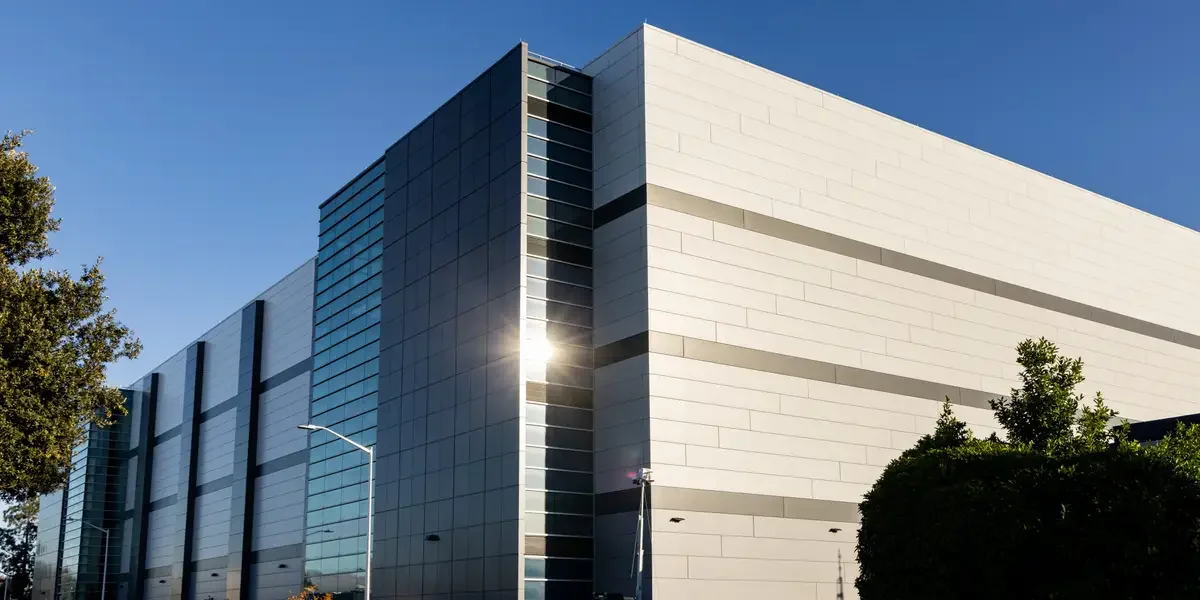
Blue Owl Capital could not arrange debt financing for a $4 billion AI-focused data center in Lancaster, PA co-developed with CoreWeave, with lenders citing CoreWeave’s below-investment-grade credit (B+). Blue Owl has about $500 million in bridge financing due by March 2026; if new debt isn’t secured, the project could face substantial construction costs despite Blue Owl’s assertion that the development is fully funded and on track. The financing hiccup highlights the rising risk in funding hyperscale AI infrastructure.
Blue Owl Capital said it would stop offering a fixed quarterly redemption amount for one fund and instead determine payouts, accelerating returns; it also disclosed a $1.4 billion loan sale with about $600 million to be returned to investors, a move that triggered a stock slide and raised concerns about liquidity and risk in the private-credit industry as peers slipped and analysts warned of potential hidden vulnerabilities outside traditional banking.
Blue Owl Capital is tightening investor liquidity by offloading $1.4 billion of loan assets from three private debt funds, including $600 million from OBDC II, to North American pension and insurance buyers. OBDC II will cease regular quarterly liquidity payments and shift to periodic payouts funded by asset sales, earnings, and repayments, with proceeds used to pay down debt and return capital to OBDC II shareholders (up to $2.35 per share, about 30% of NAV). The move comes as private markets confront liquidity pressures; the other funds, OBDC and OTIC, sold $400 million each. Blue Owl’s shares declined roughly 8.7% after the announcement, illustrating investor concern over liquidity dynamics in private credit.
Blue Owl Capital Corp. II, a $1.6 billion private-debt fund, has abandoned plans to resume withdrawals and will return about 30% of NAV this quarter after its manager sold $1.4 billion of loans to large pension and insurance buyers (including $600 million from the fund). Mohamed El-Erian weighed in on the development, drawing Bear Stearns parallels and warning of broader risks in private credit, even as related Blue Owl vehicles trade well below NAV and the parent’s stock has tumbled.
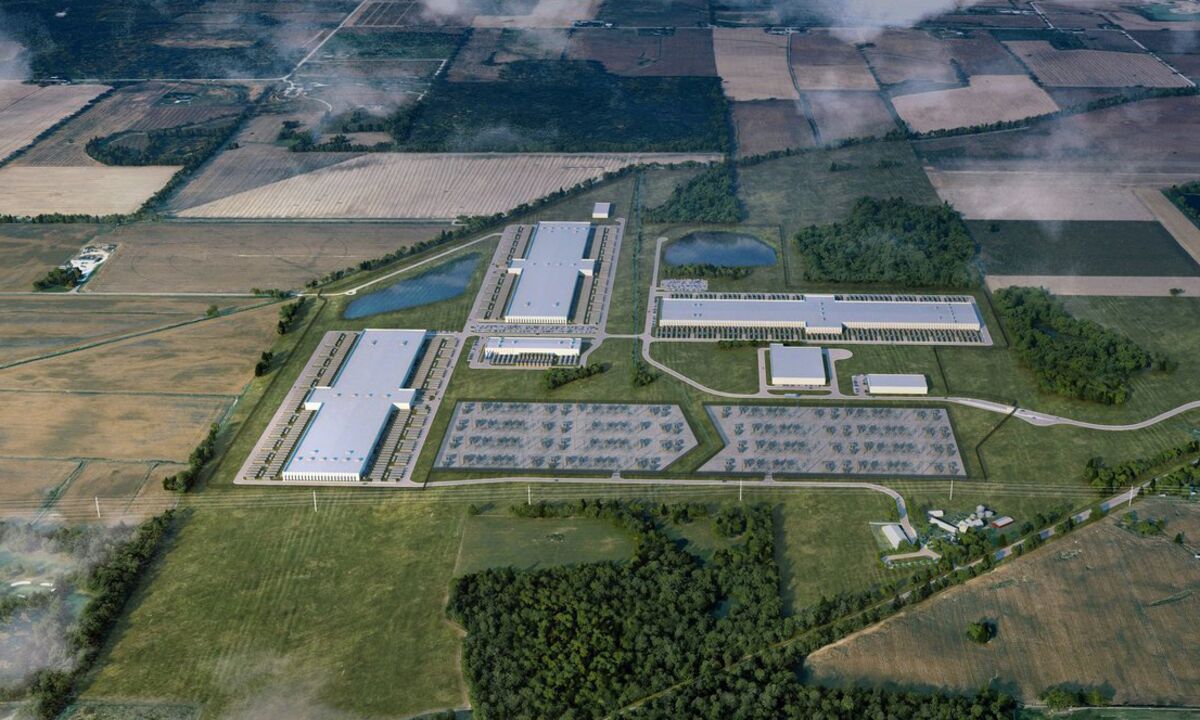
Oracle's stock fell nearly 5% after a report suggested a $10 billion data center project was in limbo due to stalled talks with Blue Owl Capital, though Oracle denied the report and stated the project is on schedule. The project aims to serve OpenAI in Michigan, amid broader concerns about Oracle's heavy investments in AI and its impact on stock performance. Despite recent declines, Oracle remains a key player in AI infrastructure, but its stock has been volatile due to fears over its large debt and investment strategies.
Oracle's shares dropped about 5% after Blue Owl Capital withdrew from funding a $10 billion AI data center project, raising concerns about the company's ability to finance large-scale AI infrastructure amid broader tech sector volatility and investor scrutiny.
Oracle announced that final negotiations for a Michigan data center equity deal are on schedule, with Blue Owl Capital not participating as an investor, amid broader concerns about AI infrastructure spending and market impact. Oracle's shares declined due to these developments and recent market volatility.
Meta and Blue Owl Capital have formed a joint venture to develop the Hyperion data center in Louisiana, with Blue Owl owning 80% and Meta 20%, involving a $27 billion investment to support Meta's AI and data needs, including construction, infrastructure, and long-term operations.
Blue Owl Capital Inc. has agreed to acquire Atalaya Capital Management's alternative credit business for $450 million, expanding its asset-based finance capabilities with over $10 billion in assets under management. The acquisition, expected to close in the second half of 2024, will see Atalaya's founder Ivan Zinn join Blue Owl as Head of Alternative Credit. The deal includes $350 million in Blue Owl equity and $100 million in cash, with potential additional earnout consideration.
Blue Owl Capital Inc. is acquiring Atalaya Capital Management, a private credit firm managing over $10 billion, for an initial $450 million, with potential additional payments of $350 million based on future performance.
Wall Street analysts recommend dividend stocks for enhanced returns, including Coca-Cola with a 5.4% increase in quarterly dividend, Blue Owl Capital with a 29% hike in annual dividend, and Chevron with an 8% rise in quarterly dividend. Analysts are optimistic about these companies' fundamentals and potential for strong returns, providing guidance for investors seeking lucrative dividend stocks.