
FCC Eliminates National TV Ownership Cap, Sparking Debate Over Media Consolidation
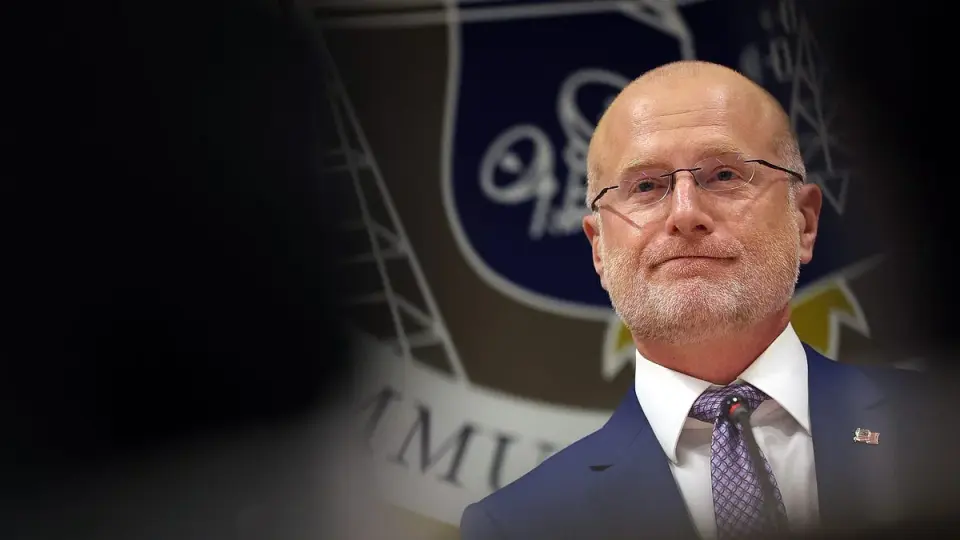
The Federal Communications Commission (FCC) voted 2-1 to repeal the national ownership cap that limited a single broadcaster from reaching more than 39% of U.S. households. This decision, led by Chairman Brendan Carr, aims to encourage consolidation among local stations but has drawn criticism for potentially increasing corporate control and reducing editorial independence. The move is part of a broader regulatory shift under the current administration, with implications for major networks like ABC, NBC, and CBS.
Key points
- The FCC removed the 39% national audience reach cap for broadcast TV owners in a 2-1 vote.
- Chairman Brendan Carr argued that consolidation would empower local stations to resist content from large distributors like Comcast and Disney.
- The New York Times reported the decision as a significant step toward media concentration, noting Carr's prior threats to revoke licenses of ABC, NBC, and CBS for perceived liberal bias.
- CNN framed the repeal as a victory for Trump-aligned broadcasters, highlighting the political alignment of the regulatory change.
- The Bulwark argued that the government should not pick winners and losers in the media, suggesting the move undermines journalistic independence.
- The decision allows the FCC to review merger applications exceeding the previous cap on a case-by-case basis.
Background
This development follows a series of regulatory shifts in 2026, including earlier debates on media ownership and political influence in broadcasting. The FCC's actions align with broader efforts to reshape media landscapes, as seen in previous discussions on winners and losers in various sectors, though this specific change targets broadcast television ownership limits.
How outlets are covering it
The New York Times emphasized the potential for increased media concentration and noted Chairman Brendan Carr's aggressive stance against networks he views as biased. CNN highlighted the political dimension, framing the repeal as a win for Trump-aligned broadcasters. The Bulwark focused on the principle of government non-interference in media, arguing against the government picking winners and losers. These perspectives reflect a divide between those viewing the change as pro-consolidation and those concerned about its impact on media diversity and independence.
Why it matters
The repeal of the 39% ownership cap could lead to greater consolidation in the broadcast television industry, potentially reducing the number of independent local stations and increasing the influence of large media corporations. This shift may affect the diversity of news coverage and the balance of power between local broadcasters and national content distributors, with long-term implications for media pluralism and public discourse.
What to watch
The FCC will now review merger applications that exceed the previous 39% cap on a case-by-case basis. Industry stakeholders and media companies are expected to submit proposals for consolidation, which could reshape the local television landscape. Opposition groups may challenge the decision in court or through legislative action, while supporters will likely advocate for further deregulation to promote what they see as a more competitive and resilient media environment.
- The Government Shouldn’t Pick Winners and Losers in Media thebulwark.com
- FCC Votes to Repeal National TV Ownership Limit WSJ
- FCC votes to eliminate broadcast ownership rule The Hill
- FCC repeals national TV ownership cap, a win for Trump-aligned broadcasters | CNN Business cnn.com
- F.C.C. Removes Limit on Broadcast TV Ownership The New York Times
Want the full story? Read the original reporting
Read on thebulwark.com