Hedge funds have gutted local news across America, with Chicago highlighted as a city pushing back through watchdog journalism and renewed public-media efforts, exemplified by a dense public-radio schedule that sustains community-informed reporting.
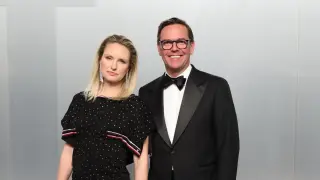
James Murdoch is reportedly negotiating to buy New York Magazine and Vox podcast assets from Vox Media, a move that would mark a return to publishing for the Murdoch family via his Lupa Systems. New York Magazine has been owned by Vox since 2019, with Penske Media as a stakeholder in Vox, and the deal could reshape billionaire-owned media properties, though it remains uncertain and reps declined to comment.
The FCC approved Nexstar Media Group's $6.2 billion purchase of Tegna by granting a waiver to exceed the 39% national TV ownership cap; the combined company would reach up to 80% of US households (54.5% with the UHF discount) and would be subject to six required station divestitures. DOJ signed off, but several state attorneys general have challenged the deal in court, arguing Congress—not the FCC—has the authority to change the cap. Supporters say the deal boosts local news investment and competition against national networks; critics warn it threatens local control and viewpoints and lacked a full commission vote.
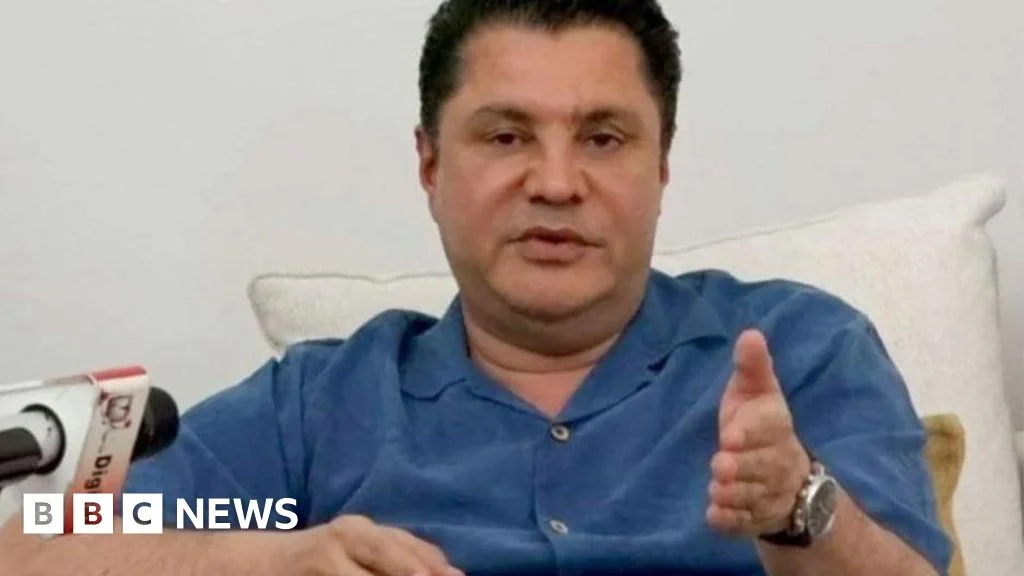
Rostam Aziz’s Taarifa Ltd has acquired a controlling 54% stake in Nation Media Group, making him East Africa’s largest media owner; regulators must approve the deal, critics warn that his political ties could influence coverage, while Aziz pledges editorial independence and investors welcomed the move as a boost to digital investment, with NMG shares rallying in Nairobi.
Paramount Skydance’s surprise bid to acquire Warner Bros. Discovery could reshape the media landscape and raise questions about CNN’s fate, as leadership shifts at CBS News and the departure of Anderson Cooper from 60 Minutes fan the concerns. Mark Thompson urged calm in an internal memo while lawmakers and antitrust officials weigh the deal, with Ellison arguing the merger would create value and preserve trust. A DOJ review and state-level antitrust scrutiny are expected as the deal moves forward.
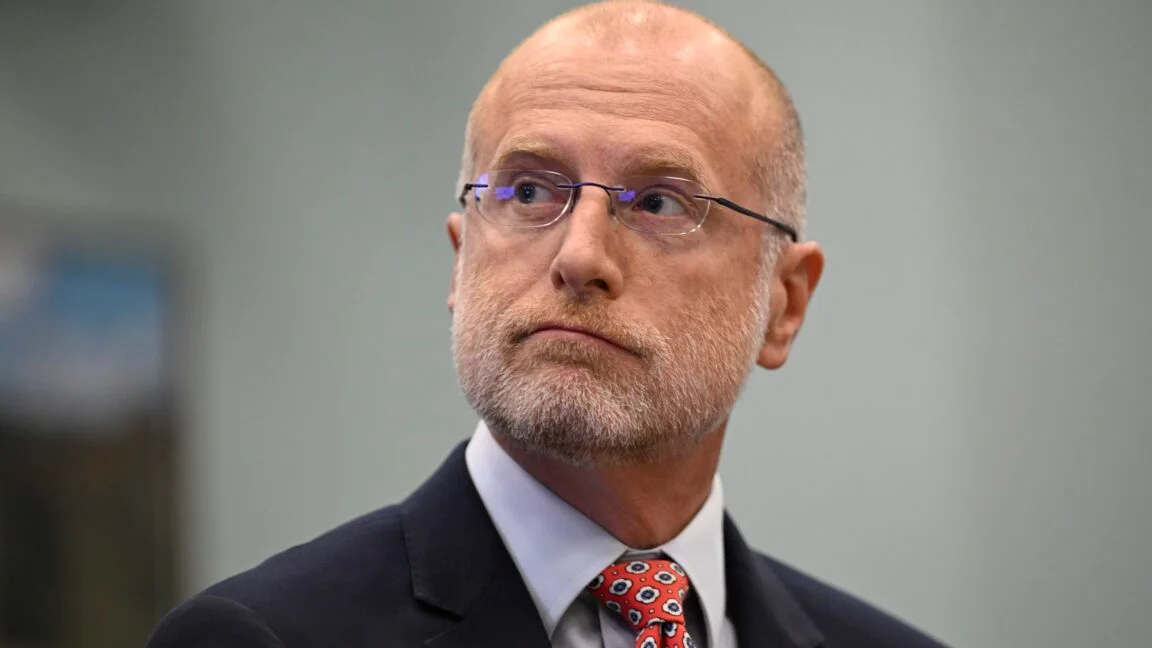
Donald Trump endorsed Nexstar’s proposed acquisition of Tegna to form a broadcast giant covering about 80% of U.S. TV households. The $11 billion deal still requires an FCC waiver of the 39% national ownership cap, which the commission is weighing; FCC Chair Brendan Carr publicly supported moving the deal forward with Trump’s endorsement, saying “Let’s get it done.” The merger has drawn mixed reactions from industry players and watchdogs amid ongoing debates over media concentration and localism.
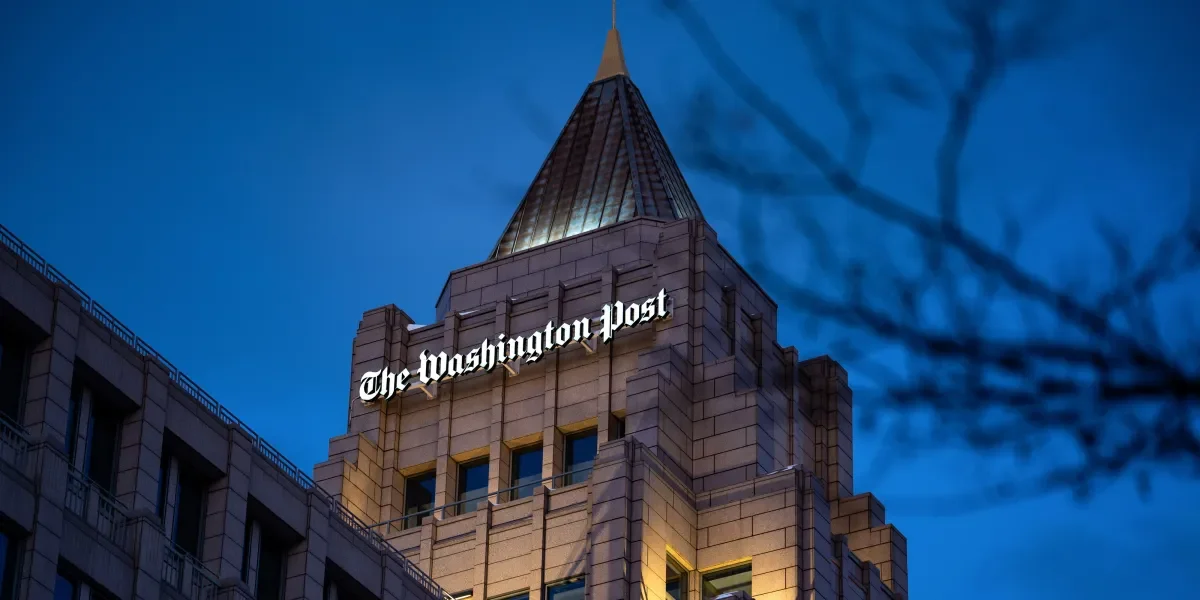
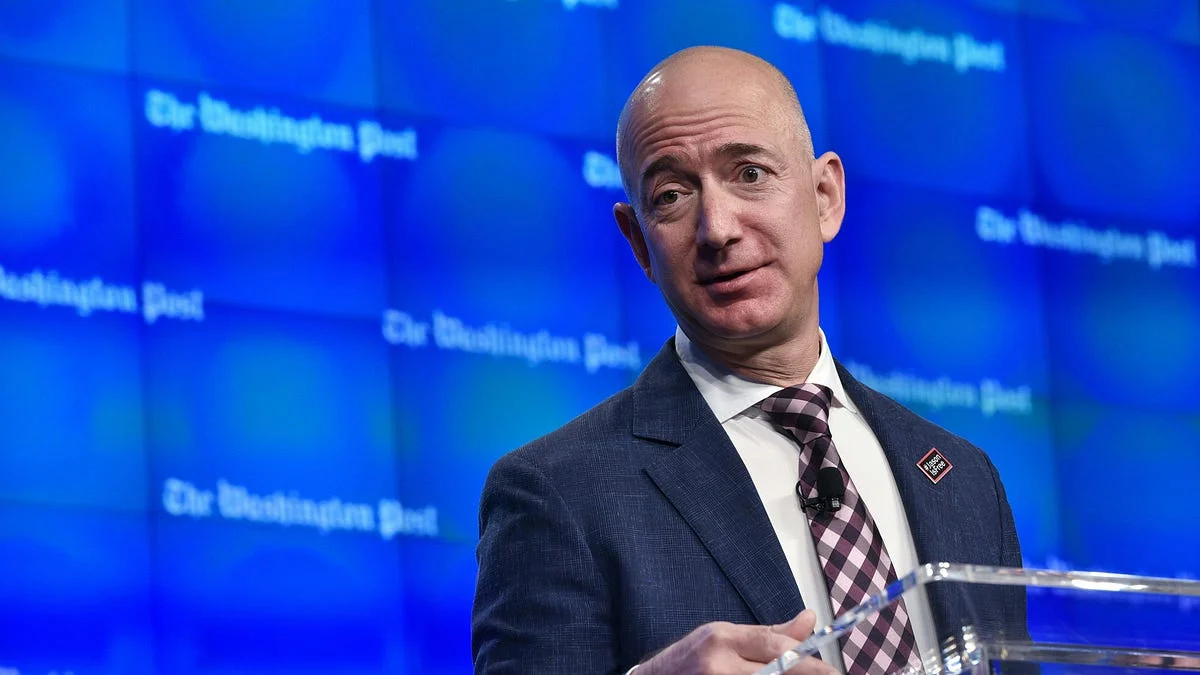
The Washington Post announced a roughly one‑third staff reduction, including about 300 newsroom jobs, amid accusations that owner Jeff Bezos steered editorial direction and undermined the paper’s audience after a 2024 decision not to endorse Kamala Harris. Critics argue subscription declines and revenue pain reflect billionaire‑owned media prioritizing political alignment over journalism, a pattern echoed at the Los Angeles Times and CBS News, with broader implications for press independence as corporate mergers, government contracts, and personal politics shape coverage.
An opinion piece arguing that Jeff Bezos has weakened the Washington Post by aligning with Trump and cutting newsroom staff, threatening the paper’s independence and its role as a check on power; the author calls for Bezos to sell the paper to an owner willing to defend democracy and newsroom integrity.
Margaret Sullivan argues Jeff Bezos’s ownership is harming the Washington Post’s editorial independence and staff morale, with layoffs and a perceived shift to a right-leaning stance that has eroded reader trust and talent; she urges Bezos to reverse course to preserve the paper’s legacy and its role as a democratic watchdog.
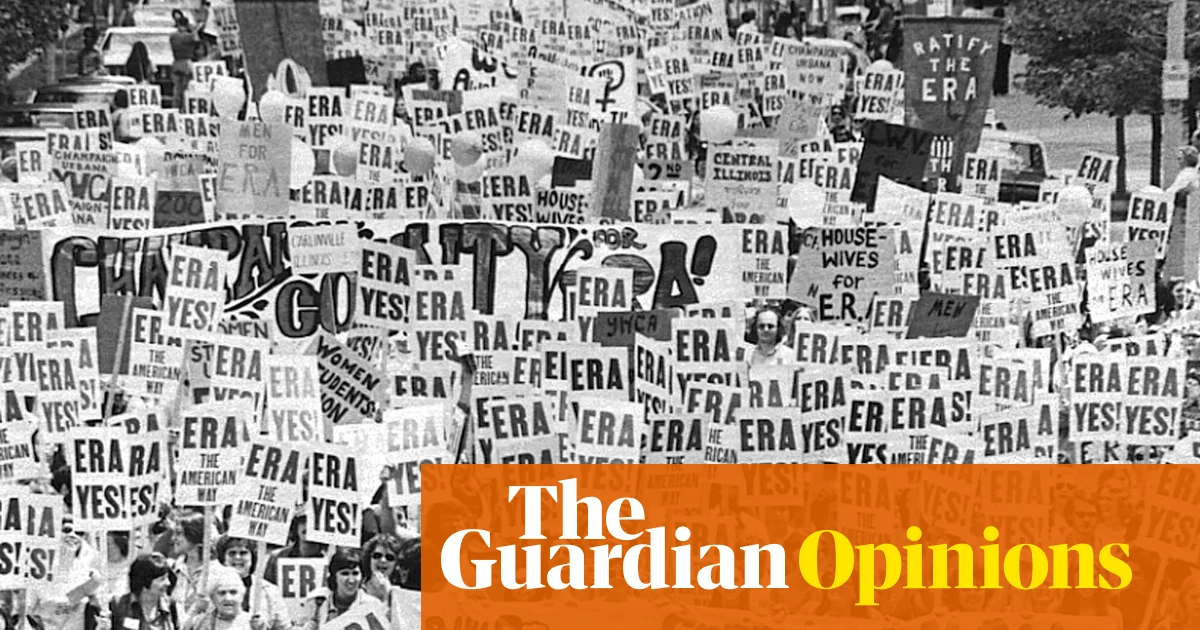
The article critiques CBS's new debate series 'Things That Matter,' funded by Bank of America and led by Bari Weiss, highlighting concerns about media bias, influence of wealthy elites like the Ellison family, and the focus on controversial topics like feminism, which the author suggests may serve the interests of powerful conservative figures rather than genuinely addressing women's issues.
The article criticizes the blurring lines between advertising, public relations, and journalism, highlighting how media outlets are increasingly influenced by billionaires and political interests, which compromises their role in holding power to account. It emphasizes the importance of independent journalism, exemplified by the Guardian, in defending free speech and truth against corporate and political manipulation.
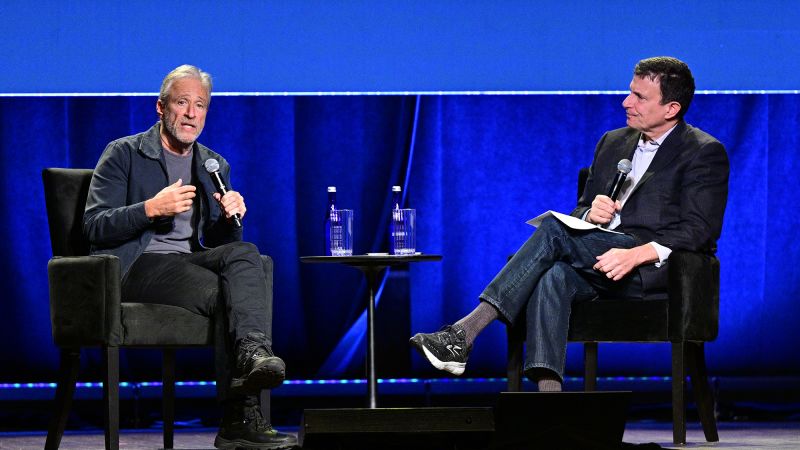
Jon Stewart expressed his desire to stay at 'The Daily Show' beyond his current contract, emphasized the importance of resisting media pressure, and encouraged fighting for better information and integrity in journalism amid changing media landscapes and political pressures.
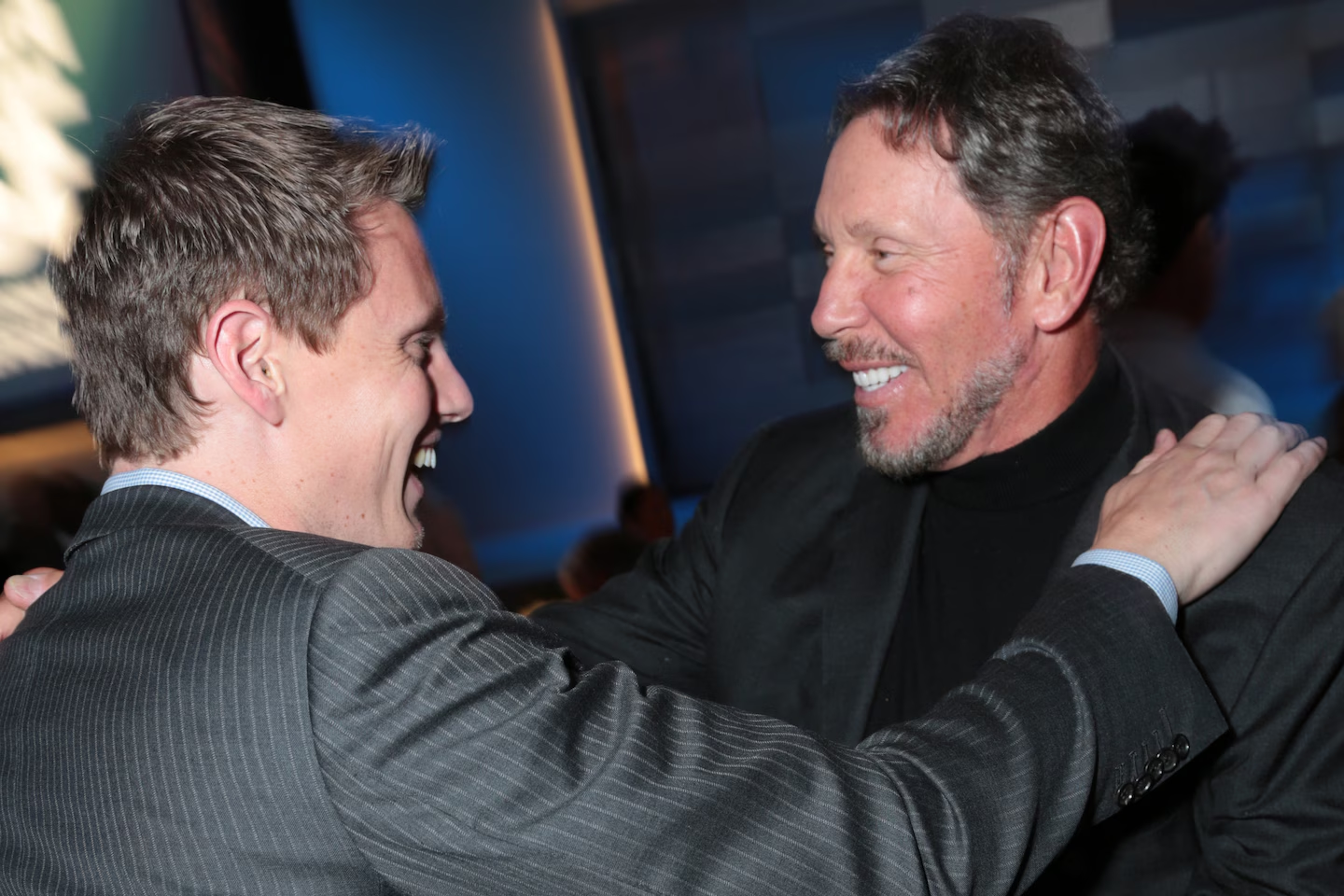
The Ellison family, led by billionaire Larry Ellison and his son David, is building a vast and diverse media empire through major deals involving CBS, Paramount, TikTok, and online media, with plans to influence the future of U.S. business and culture, amid political and cultural shifts.
The article discusses President Trump's complex deal to create an American-controlled version of TikTok, involving major investors like Oracle, Murdoch, and Dell, which raises concerns about increased billionaire influence over U.S. media and the potential impact on misinformation and free speech. Despite claims of protecting user data, the deal may actually deepen American billionaire control over digital platforms, with implications for political discourse and information flow.