
Midterm voters in Arizona face rising costs despite Trump’s affordability promises
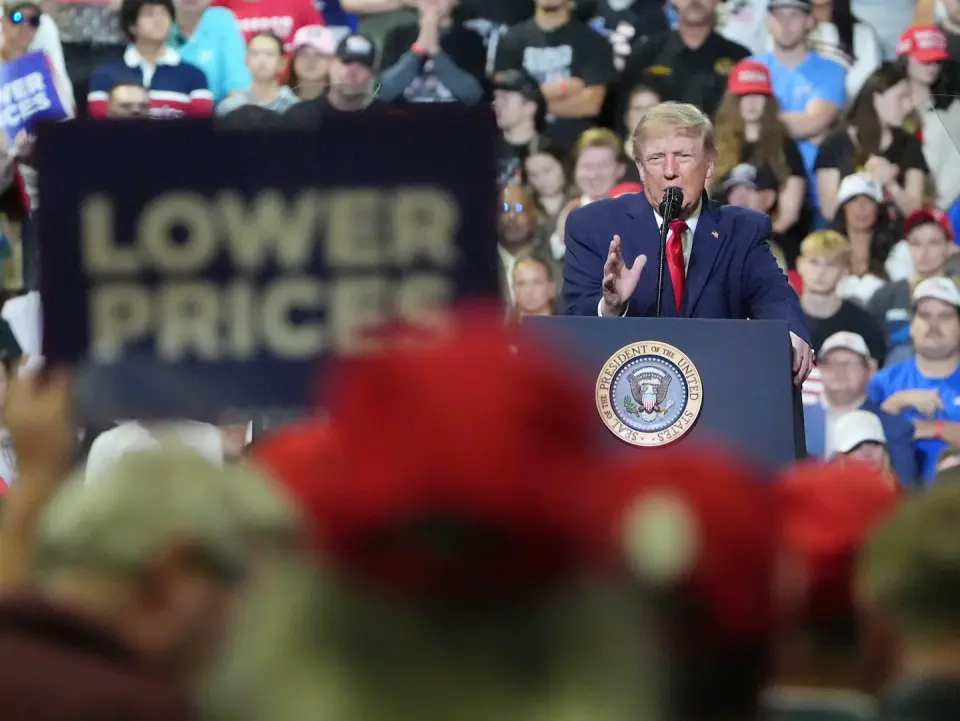
As midterm elections approach, rising inflation and energy costs are testing President Trump’s affordability promises in key Republican areas. Recent data shows gas prices surging 9.1% in September, driven by geopolitical disruptions, while local voters in Arizona report that expenses are outpacing paychecks. Despite administration efforts to lower prices, including naval support for oil tankers and sanctions adjustments, the economic strain is intensifying, particularly for retirees and fixed-income households.
Key points
- September CPI data shows gas prices up 9.1% and fuel oil up 15.3% month-over-month, with energy costs driving overall inflation higher.
- The Iran conflict has disrupted oil transits through the Strait of Hormuz, reducing traffic to 54% of pre-war levels and increasing costs for American households by an estimated $2,000.
- In Bullhead City, Ariz., a deep-red area, retirees report that rising utility and food costs are eroding their savings, contradicting the administration’s campaign promises to cut energy bills.
- The Atlantic reports that some former donors to food banks in Arizona are now recipients, highlighting the deepening economic hardship among Trump’s base.
- The administration has attempted to mitigate price spikes by easing Russian diesel sanctions and deploying the Navy to protect Gulf oil routes, but these measures have been undermined by renewed attacks in the Middle East.
Background
This economic pressure follows a trend of widening affordability gaps, where the median income for first-time home buyers ($72,100) falls significantly short of the required income ($103,584) to afford a starter home. Additionally, national utility bills reached $412 in 2025, a 7% increase, further straining household budgets. Recent policy rollbacks by the Trump administration aimed at reducing housing costs have not yet translated into relief for consumers, as inflation continues to rise ahead of the 2026 midterms.
How outlets are covering it
The Washington Post and The Atlantic emphasize the human impact on Trump’s core base, highlighting how retirees in Arizona are struggling with fixed incomes and rising costs despite the president’s promises. CNN focuses on the macroeconomic and geopolitical drivers, noting that the Iran conflict and Houthi attacks are directly undermining the administration’s efforts to lower prices. While The Post and The Atlantic frame the issue as a domestic failure of the affordability message, CNN frames it as a result of external geopolitical shocks that the administration cannot fully control. All sources agree that the rising cost of living is a critical issue for the upcoming midterm elections, but they differ in their attribution of the cause—domestic policy versus international conflict.
Why it matters
The rising cost of living is a central issue for the 2026 midterm elections, with voters in key Republican areas expressing frustration over the lack of economic relief. The administration’s inability to control inflation, exacerbated by geopolitical conflicts, could impact voter turnout and the outcome of the midterms. The economic strain on fixed-income households and the widening affordability gap for homebuyers suggest that the administration’s economic policies may not be resonating with its base, potentially leading to a shift in political support.
What to watch
The Consumer Price Index report for October is scheduled for release, which will provide further insight into the trajectory of inflation. The administration is expected to continue its efforts to lower prices, including potential further adjustments to sanctions and naval operations to protect oil routes. However, the ongoing geopolitical tensions in the Middle East may continue to disrupt oil supplies and keep prices high. The midterm elections will be a critical test of the administration’s economic policies, with voters likely to weigh the impact of rising costs on their votes.
- In this deep-red city, rising costs test Trump’s affordability message The Washington Post
- Trump was trying to force prices lower ahead of the midterms. But Iran gets a vote, too CNN
- Going Hungry in Trump’s Economy The Atlantic
- They Voted for Trump. How Are They Feeling About High Grocery Prices? The New York Times
- New Numbers Show Just How Badly Trump Wrecked the Economy Yahoo Finance
Want the full story? Read the original reporting
Read on The Washington Post