
25 Years After 9/11: U.S. Eases Airport Security While Acknowledging Evolving Threats
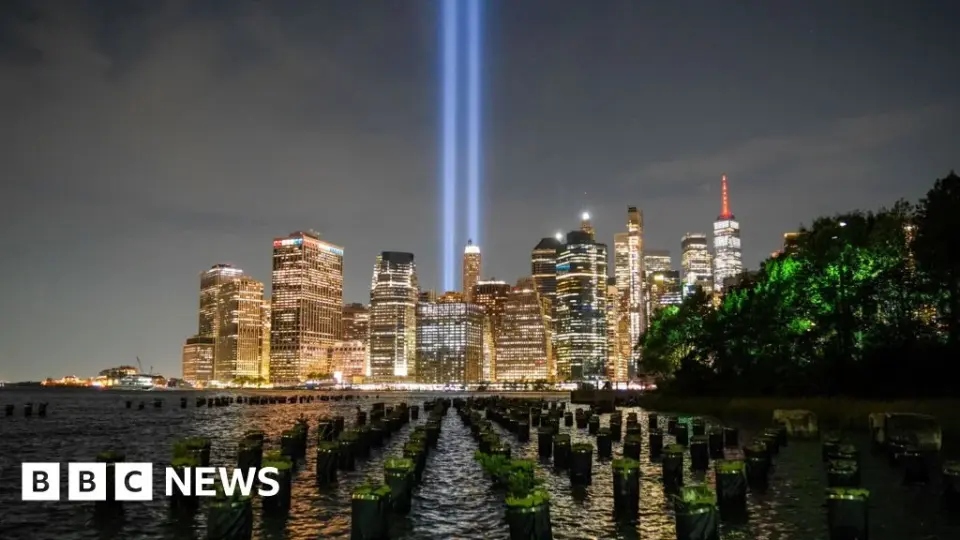
Twenty-five years after the September 11 attacks, the U.S. government is relaxing certain airport security measures, including allowing passengers to keep shoes on and introducing a new 'Gateside' program for trusted travelers. These changes follow the creation of the TSA and DHS, which were described as massive mobilizations to secure aviation. While liquid restrictions remain, new technologies and private sector partnerships are reshaping screening, though officials note that threats like drones and cyberattacks continue to evolve.
Key points
- The U.S. Department of Homeland Security and TSA are easing some post-9/11 restrictions, such as allowing passengers to keep shoes on at regular security checkpoints.
- A new 'Gateside' program allows eligible PreCheck members to access secure gate areas without a boarding pass at 13 U.S. airports, facilitating family reunions and layovers.
- Liquid restrictions from 2006 remain in effect, though new scanners allow some travelers to keep liquids in bags before screening, depending on airport availability.
- The creation of the TSA and DHS after 9/11 was described as one of the largest government mobilizations since World War II, fundamentally changing aviation security.
- Officials acknowledge evolving threats, including AI, cybersecurity issues, and drones, while noting that no security measure is perfect.
Background
The 25th anniversary of the September 11 attacks has prompted reflections on the long-term impacts of the event on U.S. security and society. Previous coverage highlighted how New York City has grown and diversified since 9/11, while also facing new challenges. Additionally, veterans in Congress have discussed divergent lessons from the post-9/11 wars, and public reactions to presidential ceremonies have varied. The current developments in airport security are part of this broader reassessment of post-9/11 measures.
How outlets are covering it
BBC reported on the emotional impact of 9/11 on individuals, such as an Aurigny boss, but did not detail current policy changes. CNBC focused on the practical easing of security measures, including the 'Gateside' program and the scrapping of the 'TSA Gold+' privatization attempt, while noting ongoing threats. KWQC highlighted the personal experience of a Quad Cities International Airport police chief on 9/11, emphasizing the chaos and unity that followed. CBS News emphasized the scale of the government response, describing the creation of the TSA and DHS as a massive mobilization that transformed aviation security. The outlets differ in focus: BBC and KWQC emphasize personal and historical impact, while CNBC and CBS News focus on policy and structural changes.
Why it matters
The easing of certain airport security measures signals a shift in U.S. aviation policy 25 years after 9/11, balancing security with convenience. The introduction of new programs like 'Gateside' and the evolution of screening technologies reflect ongoing efforts to adapt to changing threats while improving the travel experience. These changes also highlight the continued importance of the TSA and DHS in maintaining aviation security, despite evolving challenges such as drones and cyberattacks.
What to watch
The U.S. government is expected to continue evaluating and adjusting airport security measures, including the rollout of new technologies and private sector partnerships. The 'Gateside' program may expand to more airports, and the TSA is likely to explore alternative models for security screening, such as the replacement for 'TSA Gold+'. Officials will also need to address emerging threats, including AI and cybersecurity, while maintaining public trust in aviation security.
- Airline boss felt 'total numbness' after 9/11 BBC
- 25 years after 9/11, the U.S. starts rolling back travel restrictions, from liquids to gate access CNBC
- ‘We’re shutting down the airport’: QCIA police chief recounts working at airport on 9/11 KWQC
- 9/11 Remembrance at Philadelphia International Airport Inquirer.com
- Launching TSA after Sept. 11 terror attacks called one of the largest government mobilizations since WWII CBS News
Want the full story? Read the original reporting
Read on BBC