
OCC and FDIC Propose Overhauling Community Reinvestment Act to Curb Activist Influence
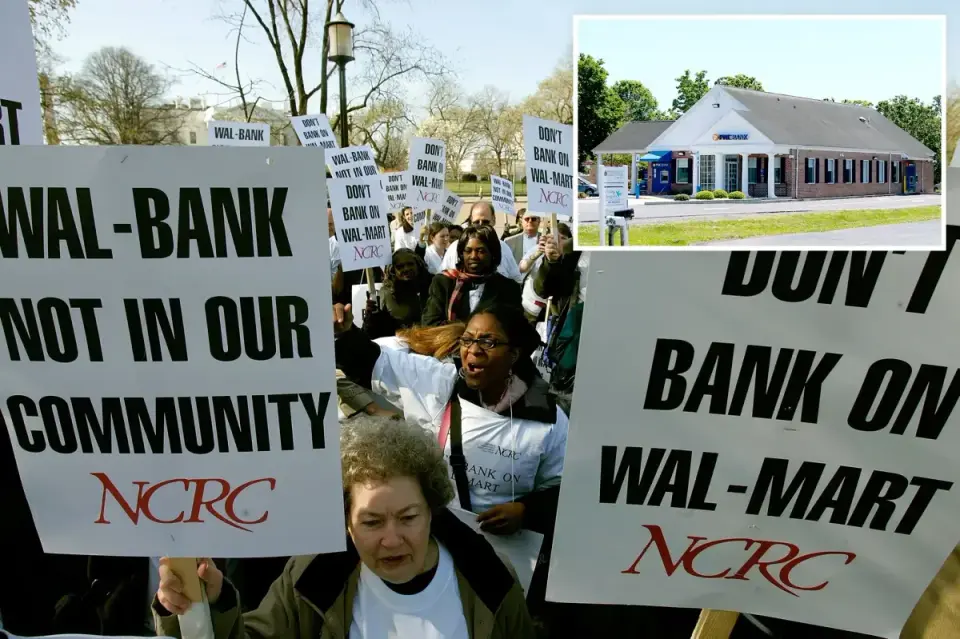
The Office of the Comptroller of the Currency and the Federal Deposit Insurance Corp. have proposed new rules for the Community Reinvestment Act that decouple bank regulatory ratings from donations to advocacy groups. The plan requires banks to prove direct local lending rather than funding nonprofits, while raising asset thresholds for smaller institutions. The Federal Reserve has not joined the proposal, creating a regulatory split.
Key points
- The OCC and FDIC proposed joint rules on July 31, 2026, to end the practice of banks buying regulatory favor through donations to activist nonprofits.
- Under the new framework, banks must demonstrate direct lending to local communities to earn credit, rather than relying on philanthropic gifts to advocacy groups.
- The proposal raises the asset threshold for 'small banks' to $1 billion and 'intermediate banks' to $10 billion, exempting many institutions from heavy reporting requirements.
- The Federal Reserve did not sign onto the proposal, meaning state-chartered banks will continue operating under the previous regulatory framework.
- The National Community Reinvestment Coalition, a target of the new rules, has criticized the move as a violation of the First Amendment and an attempt to weaken community support.
Background
The Community Reinvestment Act, enacted in 1977, was designed to combat redlining by requiring banks to meet the credit needs of local communities. Previous attempts to update the rules, including a 2023 joint proposal, faced legal challenges and were blocked by federal courts. The current proposal follows a period of heightened political tension, where the Trump administration has frequently characterized left-wing advocacy groups as threats to American institutions, as noted in earlier coverage of the administration's stance on domestic extremism and foreign influence.
How outlets are covering it
The New York Post frames the proposal as a necessary end to a 'shakedown' by left-wing groups, citing specific cases where banks paid millions to avoid regulatory blockades. Bloomberg Law emphasizes the technical shift toward prioritizing direct lending and the potential impact on community development funding. POLITICO Pro highlights the regulatory split, noting that the Federal Reserve plans to maintain the 1995 framework, which could lead to inconsistent standards for different banks. Critics, including the National Community Reinvestment Coalition and community development advocates, argue the rules will reduce funding for affordable housing and ignore the needs of working-class communities.
Why it matters
The proposal could significantly alter how billions of dollars in community development funds are allocated, potentially reducing support for low-income neighborhoods if banks shift away from philanthropic grants. The regulatory split between the OCC/FDIC and the Federal Reserve may create compliance challenges for banks operating across different jurisdictions, while the legal challenges from activist groups could delay the implementation of the new rules.
What to watch
The proposal is subject to a 60-day comment period once published in the Federal Register. The OCC and FDIC have asked a Texas federal court to enter a final judgment limiting changes to the CRA, while the Federal Reserve continues to appeal the 2023 rule. Opponents, particularly in Democrat-controlled states, are expected to file legal challenges to block the changes.
- Exclusive | Trump regulators vow to end left-wing ‘shakedown’ of US banks New York Post
- Bank Regulators Push to Roll Back Anti-Redlining Standards JD Supra
- Trump to Use Anti-Redlining Law to Target ‘Activist’ Groups Bloomberg Law News
- Article | Trump bank regulators eye rewrite of low-income lending rules POLITICO Pro
- OCC, FDIC to Propose Easing Anti-Redlining Rule for Small Banks Bloomberg Law News
Want the full story? Read the original reporting
Read on New York Post