
Senate delays permanent Chinese car ban to post-election session amid Mercedes-Benz dispute
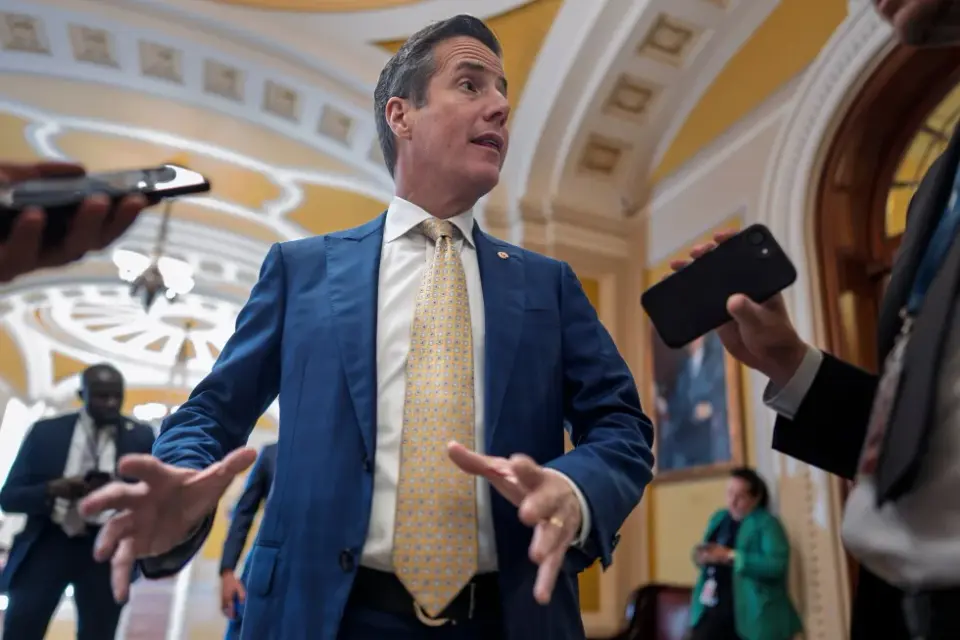
The U.S. Senate has postponed a vote on a bipartisan bill to permanently ban Chinese-made vehicles until after the midterm elections. The legislation, which would codify and expand current restrictions on Chinese, Russian, Iranian, and North Korean connected cars, faces opposition from Senator Rand Paul and concerns that a 15% foreign ownership cap could inadvertently ban brands like Mercedes-Benz and Volvo. While the White House has not opposed the bill, President Trump has previously expressed openness to Chinese automakers building factories in the U.S., creating a policy conflict with the auto industry and labor unions.
Key points
- Senate leaders delayed the vote on the Chinese vehicle ban bill until after the midterm elections to allow time for negotiations.
- The bill would permanently ban the import, manufacture, and sale of connected vehicles from China, Russia, Iran, and North Korea.
- A 15% foreign ownership cap in the bill risks banning Mercedes-Benz (nearly 20% Chinese-owned) and Volvo (majority Chinese-owned).
- Senator Rand Paul opposes the bill, arguing it unfairly targets specific companies like Mercedes-Benz.
- President Trump has expressed willingness to allow Chinese automakers to build factories in the U.S. if they hire American workers, contradicting the stance of the auto industry and labor unions.
Background
In early 2025, the Biden administration implemented a regulation effectively banning Chinese automakers from selling or building passenger vehicles in the U.S. due to data security concerns. The current bill seeks to make these restrictions permanent and harder to reverse by future administrations. The International Energy Agency reported that Chinese automakers supplied 60% of global electric car sales in 2025, highlighting the competitive threat perceived by U.S. manufacturers.
How outlets are covering it
AP News and CNBC report that the bill has significant momentum, with a House version garnering over 100 co-sponsors and broad Democratic support. However, they note Senator Rand Paul's opposition, citing concerns that the 15% ownership cap could ban Mercedes-Benz. The Washington Post editorial board argues that a blanket ban is protectionist and that the U.S. should allow more Chinese cars to compete, provided they meet existing safety and data standards, arguing that more competition benefits American buyers. CNBC highlights that Senator Bernie Moreno is actively negotiating to ensure Mercedes-Benz and Volvo are exempted from the ban, while AP notes that the White House did not respond to requests for its stance on the bill, despite Trump's previous comments welcoming Chinese investment in U.S. manufacturing.
Why it matters
The outcome of this legislation will determine whether the U.S. maintains a permanent barrier against Chinese automotive competition, impacting global supply chains, consumer prices, and U.S.-China trade relations. It also tests the limits of executive flexibility in trade policy, as the administration's stance on Chinese manufacturing in the U.S. conflicts with the legislative push for a permanent ban.
What to watch
The Senate is expected to revisit the bill after the midterm elections. Negotiations are ongoing to adjust the 15% ownership cap to exclude companies like Mercedes-Benz and Volvo. The White House's position on the bill remains unclear, with President Trump having previously expressed openness to Chinese automakers building in the U.S.
- Senate punts bill to permanently ban Chinese cars until after midterm elections apnews.com
- Senators will try to win approval of permanent Chinese car ban in November Reuters
- Opinion | Ban Chinese cars? They’re already here. The Washington Post
- Legislation on permanently banning Chinese vehicles in the U.S. stalls in the Senate (F:NYSE) Seeking Alpha
- Senate Republican says Chinese vehicle bill will not ban Mercedes-Benz cnbc.com
Want the full story? Read the original reporting
Read on apnews.com