
Senate delays Clarity Act vote to September amid stalled ethics and banking disputes
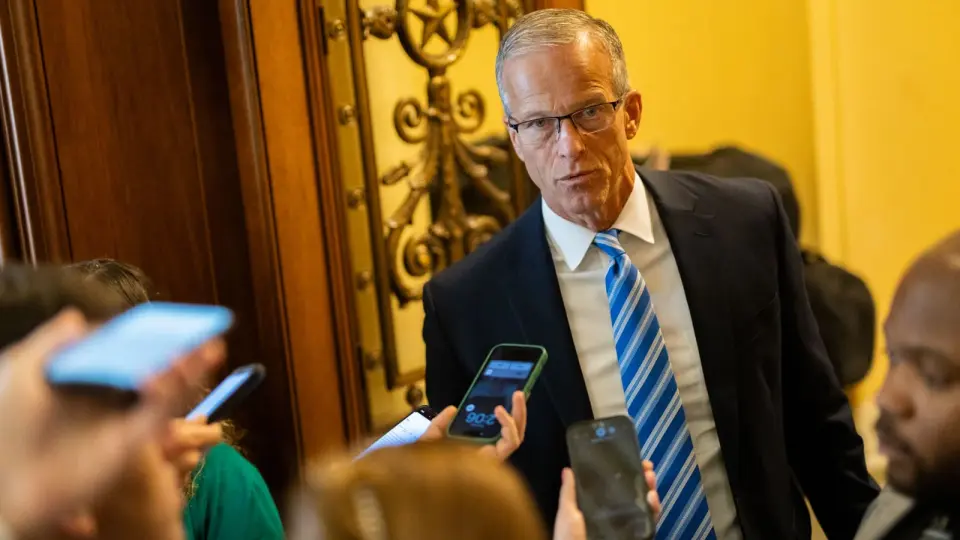
Senate Majority Leader John Thune has scheduled a procedural vote on the Clarity Act for mid-September, delaying the landmark crypto regulatory framework until after the August recess. The bill, which would define digital asset oversight, faces a 60-vote threshold that requires bipartisan support. While the crypto industry has spent over $225 million to influence Washington, the legislation is stalled by Democratic demands for ethics restrictions on the president’s crypto holdings and Republican concerns over bank competition. The White House is pushing for passage, but unresolved conflicts of interest and banking protections remain key obstacles.
Key points
- Thune filed to set up a procedural vote on the Clarity Act for mid-September, aiming to pave the way for a full floor vote.
- The bill requires 60 votes to pass, necessitating support from at least eight Democrats and all voting Republicans.
- The legislation would create the first comprehensive federal rulebook for cryptocurrencies, defining tokens as securities or commodities.
- The crypto industry has spent over $225 million on lobbying and political contributions since January 2025.
- Democrats are demanding stricter ethics provisions to force federal officials, including Trump, to divest from crypto ventures.
- Banks oppose language allowing crypto firms to compete for deposits via stablecoin rewards, while some Republicans fear this loss of business.
Background
The Clarity Act has been a central focus of the 2026 legislative session, with the House passing its version last year. Previous attempts to advance the bill in July and August failed due to disagreements over consumer protections and illicit finance safeguards. The White House has prioritized this reform, following the passage of a stablecoin law in 2025, which was seen as a major policy win for the administration.
How outlets are covering it
CNBC emphasizes the procedural move by Thune as a potential path to passage, highlighting the White House’s push and the industry’s $119 million spending in the 2024 election. In contrast, the Financial Times frames the situation as a stalemate, noting that despite $225 million in total spending since 2025, the bill has stalled due to 'death by 1,000 cuts' in negotiations. The FT highlights the conflict between pro-crypto senators like Cynthia Lummis and those worried about bank deposit flight, while also detailing the specific ethics demands from Democrats regarding Trump’s $1.4 billion in crypto income. Both sources agree on the bill’s significance but differ on the likelihood of success, with CNBC suggesting a potential victory and the FT pointing to deep divisions and unresolved ethical conflicts.
Why it matters
The Clarity Act is critical for establishing legal certainty in the digital asset sector, potentially boosting adoption and preventing regulatory crackdowns similar to those under the previous administration. Its passage would also resolve conflicts of interest involving the president’s crypto ventures, a major point of contention for Democrats. Conversely, failure could lead to a regulatory vacuum or a return to stricter enforcement, impacting both the crypto industry and traditional banking sectors.
What to watch
The Senate will return from recess in mid-September to hold a procedural vote on the Clarity Act. If this vote passes, a full floor vote may follow, though it remains uncertain if the 60-vote threshold will be met. Negotiations on ethics provisions and banking protections are expected to continue, with the 2026 midterm elections approaching as a deadline for resolution.
- Senate advances landmark crypto bill before heading on August recess CNBC
- Opinion | The Crypto Lobby Objects on the Clarity Act WSJ
- Senate leaves town without voting on crypto bill, dimming its chances of passing The Hill
- Senate Delays Clarity Act Vote. Crypto’s Priority Is Now a Hail Mary. Barron's
- Landmark crypto bill stalls in US Senate despite $225mn spending push Financial Times
Want the full story? Read the original reporting
Read on CNBC