
Texas Fuel Costs Drive Voter Shift in Key Senate Race
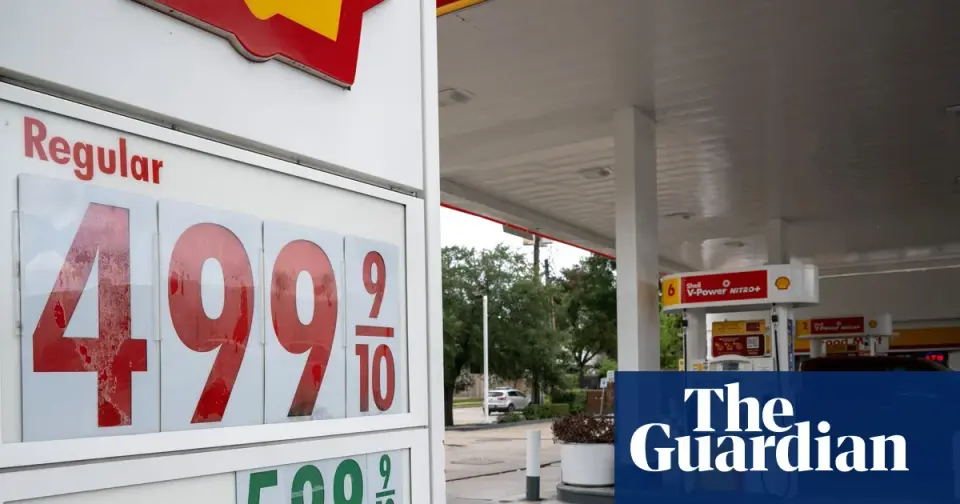
Soaring fuel costs in Texas, driven by the Iran war, are reshaping voter sentiment ahead of the November 3 midterms. While gas prices remain below the national average, they have risen significantly compared to last year, causing financial strain for commuters. This economic pressure is influencing the competitive Senate race between Democrat James Talarico and Republican Ken Paxton, with some voters shifting toward Democratic candidates due to frustration over rising living costs.
Key points
- The average price of gasoline in Texas has risen to $3.68 per gallon, up from $2.59 a year ago, while diesel prices have surged by more than 80% to $5.79.
- James Talarico, a state representative, is challenging Republican Ken Paxton for the US Senate seat, aiming to become the state's first Democratic senator in over 30 years.
- Recent polling indicates Talarico holds a slight edge over Paxton, who faces scrutiny due to past scandals.
- President Trump visited Texas to announce the arrival of the first million barrels of oil from a deal with Venezuela, framing it as a major victory for American energy companies.
- Many Texans report spending significantly more on fuel, with some commuters doubling their monthly gas expenses, leading to tighter household budgets and potential voter realignment.
Background
This development follows a broader trend of economic frustration across the US, where voters are reacting to specific spikes in gas and consumer goods despite lower overall inflation rates compared to previous administrations. Earlier coverage highlighted similar discontent in Alaska, where high fuel costs led to criticism of presidential promises. The current situation in Texas reflects a national disconnect between macroeconomic indicators and household reality, with energy costs remaining a primary driver of voter dissatisfaction ahead of the midterms.
Why it matters
The Texas Senate race is a critical indicator of national sentiment regarding economic policy and energy costs. If Talarico wins, it would mark a significant shift in a traditionally Republican state, potentially influencing future federal energy and economic legislation. The reaction to gas prices highlights how immediate, tangible costs can override broader political narratives, affecting voter behavior in key swing states and potentially altering the balance of power in Congress.
What to watch
Voters will cast their ballots on November 3, with the outcome of the Texas Senate race likely hinging on how effectively candidates address economic concerns. The arrival of Venezuelan oil may impact future fuel prices, but immediate voter sentiment is driven by current costs. Post-election analysis will determine if economic frustration translates into a broader Democratic gain in traditionally Republican areas.
Want the full story? Read the original reporting
Read on The Guardian