
Trump's Iran War and Energy Rollbacks Echo Carter's Legacy, NRDC Warns
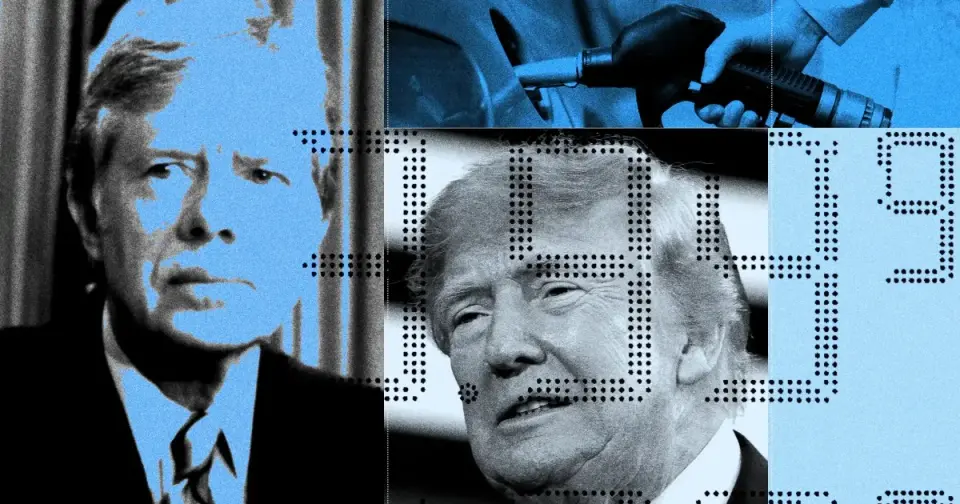
Donald Trump’s ongoing conflict with Iran and his energy policies are drawing parallels to Jimmy Carter’s presidency, according to insiders. While Trump has historically mocked Carter, he now privately empathizes with the former president’s struggles. Simultaneously, the Natural Resources Defense Council (NRDC) warns that Trump’s energy agenda could cost the U.S. up to 540 GW of renewable capacity, raising electricity bills and emissions.
Key points
- Insiders say Trump now 'relates to Carter' due to stalled Iran negotiations and Strait of Hormuz disruptions.
- Trump’s war with Iran is six months old, with negotiations stalled and oil prices rising.
- NRDC projects a loss of 390-540 GW of wind, solar, and storage capacity over the next decade.
- Average U.S. electricity rates have risen 16% since Trump took office, contradicting his promise to cut bills.
- The NRDC estimates up to $700 billion in lost power sector investment and 35,000 additional early deaths from pollution.
Background
Trump has long criticized Jimmy Carter for his handling of the 1979-1981 Iran hostage crisis and economic stagnation. Carter’s 1980 defeat is often cited by Trump as a cautionary tale for leaders facing foreign policy crises. Recently, Trump’s inflation polling hit historic lows, a distinction shared with Carter and Biden, highlighting economic parallels. The current conflict with Iran, which began six months ago, has led to stalled negotiations and disruptions in the Strait of Hormuz, mirroring the leverage Iran held during Carter’s presidency.
How outlets are covering it
MS NOW reports that Trump’s private tone toward Carter has shifted from criticism to empathy, with insiders noting that the 'impossible task' of dealing with Iran makes Trump feel Carter’s 'pain.' In contrast, Utility Dive and Heatmap News focus on the economic and environmental consequences of Trump’s energy policies. NRDC’s Amanda Levin argues that the 'glass is more than half empty,' citing a 40% loss of expected new power capacity. While MS NOW highlights the political and personal parallels to Carter, NRDC and Heatmap emphasize the tangible costs to households, including a projected 25% increase in electricity bills by 2035 and significant health impacts from increased fossil fuel reliance.
Why it matters
The parallels between Trump’s current struggles and Carter’s legacy suggest that foreign policy failures and economic mismanagement can severely impact a president’s legacy and electoral prospects. As Republicans risk losing control of Congress in the November midterms, the ongoing Iran conflict and rising energy costs could undermine Trump’s economic agenda. Furthermore, the NRDC’s projections indicate that the long-term environmental and financial costs of Trump’s energy policies will outlast his presidency, affecting future administrations and American households for decades.
What to watch
Negotiations with Iran remain stalled, with Iran maintaining leverage over the Strait of Hormuz. The NRDC expects the loss of renewable capacity to accelerate as tax credits expire, leading to higher electricity prices and increased reliance on fossil fuels. The White House has defended its policies, emphasizing national security and economic stability, but the rising costs and health impacts may influence voter sentiment ahead of the midterms.
- Trump reckons with his least favorite president MS NOW
- Trump’s energy policy could cost US 540 GW of renewables, says NRDC Utility Dive
- A ‘Glass Half Full’ Isn’t Enough to Fight Climate Change Heatmap News
- An Affordability Crisis of Trump’s Own Making NRDC
- Trump policies to double power sector carbon emissions by 2035, analysis finds The Japan Times
Want the full story? Read the original reporting
Read on MS NOW