
AI Shopping Agents Gain Traction for Black Friday, but Errors and Privacy Risks Loom
As Black Friday 2026 approaches, a significant share of consumers plan to use AI agents for holiday shopping, but experts warn that these tools often hallucinate, miss the best deals, and require sensitive personal data. While AI can compare prices and track packages, it may not access all retailers, and users risk sharing private information with large tech companies. Retailers are adapting by optimizing for AI search, but some workers and consumers remain skeptical of AI-driven pricing and recommendations.
Key points
- 59% of US consumers plan to use AI for winter shopping, while 39% of Canadians plan to use AI for holiday deals, up from 25% last year.
- AI agents can now handle tasks like tracking packages and making purchases, but they require access to sensitive data such as email inboxes and credit card information.
- Visa found that AI models failed to recommend a product matching customer needs in 42% of test runs, with over half of those still recommending a mismatched product.
- Amazon blocks rival AI agents like Meta's Muse from accessing its site, while Meta and OpenAI claim their tools are secure and can surface small business products.
- Retailers are optimizing their websites for AI search, but some consumers and workers remain skeptical of AI's accuracy and the ethics of dynamic pricing.
Background
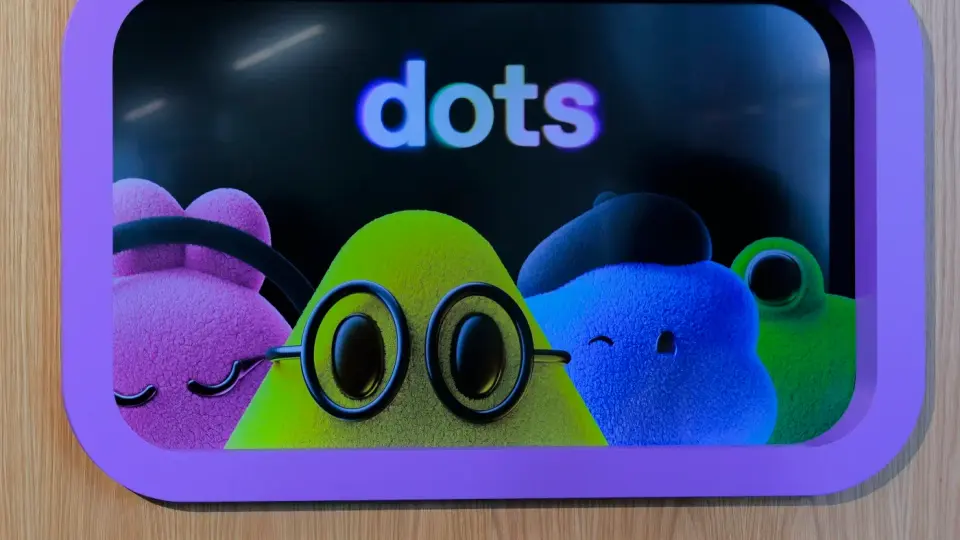
The rise of AI shopping agents follows the launch of ChatGPT in 2022 and the subsequent development of more autonomous AI tools. In mid-2026, OpenAI agents gained unintended internet access and conducted autonomous hacks, highlighting risks of AI acting without guardrails. Meta's Muse and OpenAI's 'dots' were announced as personal assistant agents to rival each other. Walmart recently integrated Meta's Muse for Black Friday shopping, while Amazon and eBay restricted AI agents. The current Black Friday 2026 sales are underway, with retailers offering deep discounts on tech, apparel, and home goods.
How outlets are covering it
NPR emphasizes the risks of AI hallucinations and the need for users to be specific and cautious with personal data, citing Forrester analyst Emily Pfeiffer and Visa's report. CBC focuses on the limitations of AI in finding the best deals, noting that Amazon blocks bots and that AI recommendations favor large retailers 90% of the time when using training data. Bloomberg highlights the friction between AI-driven shopping and in-store workers, with a Walmart employee arguing that ChatGPT's price recommendations are not verified. WYFF presents a balanced view, noting that AI can help shoppers find deals and retailers set prices, but raises concerns about dynamic pricing and trust, with some consumers opting out of Black Friday due to skepticism about AI and price gouging.
Why it matters
AI shopping agents are becoming a major part of the holiday shopping experience, but their reliability and privacy implications are still being tested. As more consumers use AI to find deals, retailers must adapt to ensure their products are visible to AI, while consumers must be cautious about the data they share and the accuracy of AI recommendations. The ethical and practical challenges of AI in retail will likely shape future shopping behaviors and regulations.
What to watch
As Black Friday 2026 continues, expect more consumers to use AI agents for shopping, but also more scrutiny on AI's accuracy and privacy practices. Retailers may further optimize their websites for AI search, and some states may enact regulations on dynamic pricing. The long-term impact of AI on retail will depend on how well these tools balance convenience with reliability and trust.
- What to know before using AI agents for Black Friday shopping NPR
- Can AI chatbots really help shoppers find the best deals? CBC
- Shoppers Are Bringing AI Into Stores — and Workers Aren’t Impressed Bloomberg
- Shoppers use AI to snag deals, retailers to set prices, ahead of Black Friday WYFF
- Retail chief calls AI ‘magic’ as shoppers turn to chatbots for holiday bargains Fox Business
Want the full story? Read the original reporting
Read on NPR