
Trump proposes bipartisan credit card fee caps
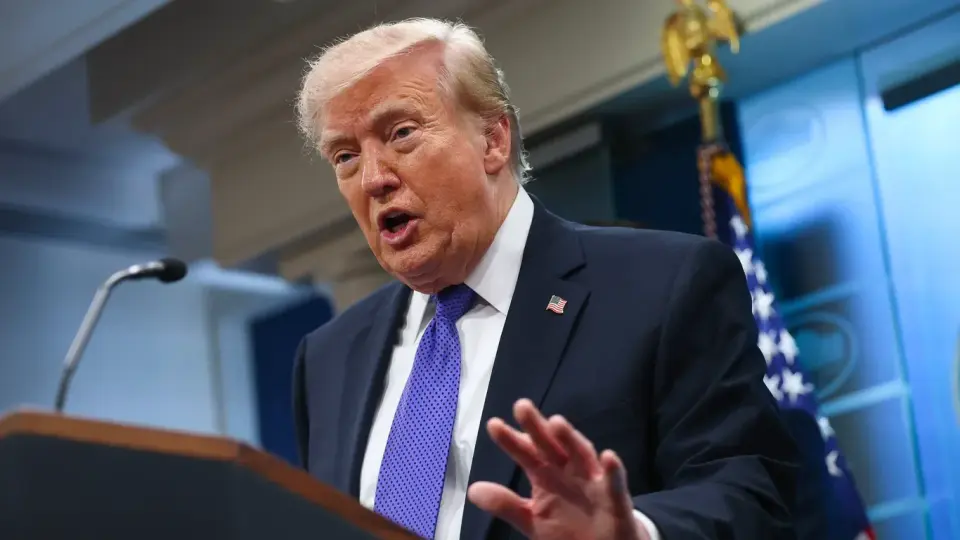
President Donald Trump stated he would collaborate with Democrats to limit credit card interest rates and fees. This proposal addresses rising costs for consumers, including recent annual fee hikes by major issuers like Citi and American Airlines. The move signals a potential bipartisan effort to regulate the credit card industry.
Key points
- President Trump indicated willingness to work with Democrats to cap credit card interest and fees.
- The proposal aims to address rising costs for consumers in the credit card market.
- Recent industry trends include significant annual fee increases for mid-tier cards, such as Citi and American Airlines raising fees from $99 to $150 effective January 2027.
- American Express recently reported a 28% profit surge, partly driven by higher fees and consumer spending, highlighting the financial impact of fee structures on issuers.
Background
This proposal follows a period of increasing credit card costs. In late 2026, Citi and American Airlines announced fee hikes for mid-tier co-branded cards, raising annual fees to $150 in exchange for new perks. Similarly, American Express saw a 28% profit increase in Q3 2026, attributed to aggressive consumer spending and the retention of Platinum Cardholders despite a $200 annual fee increase. These developments reflect a broader industry trend of raising costs while adding benefits to retain customers, setting the stage for potential regulatory discussions.
Why it matters
The potential for bipartisan cooperation on credit card regulation could lead to significant changes in consumer finance. Capping interest and fees may reduce costs for millions of Americans, while also impacting the profitability of major financial institutions. This move could set a precedent for future regulatory actions in the credit card industry.
What to watch
The next steps will likely involve legislative discussions between the White House and Democratic leaders to draft specific caps on interest rates and fees. Financial institutions may respond by adjusting their pricing strategies or lobbying against proposed regulations. Consumer advocacy groups may also push for stronger protections in response to this political momentum.
Want the full story? Read the original reporting
Read on Axios