
Trump’s Second Term: A Self-Inflicted Economic Crisis Amid Mixed Data
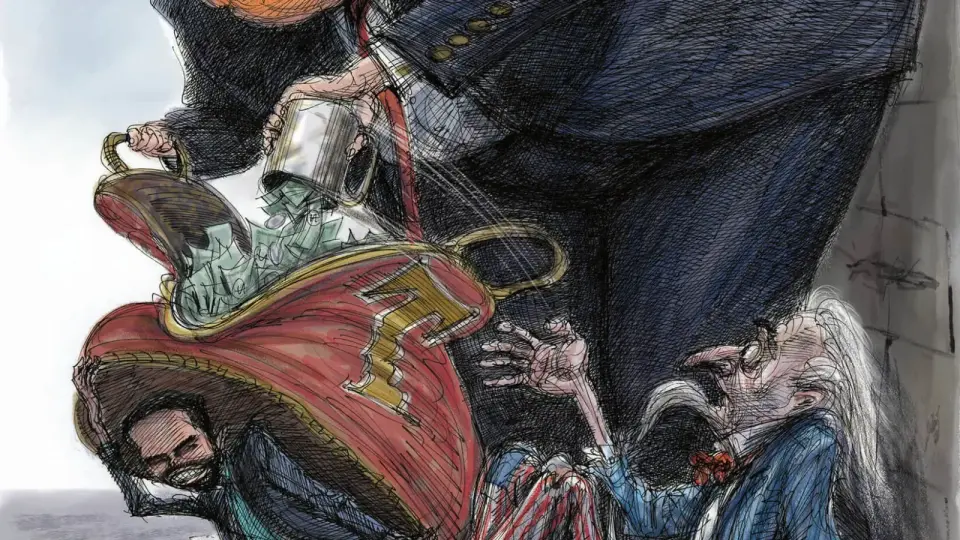
Matt Bai argues that Donald Trump’s second term is uniquely defined by self-inflicted economic damage, citing tariffs, an Iran war, and immigration crackdowns as primary causes of current instability. While the Federal Reserve raises rates to combat inflation, consumer sentiment remains poor, with only 14% of voters viewing the economy as improved. Critics note that while macroeconomic fundamentals remain resilient, the administration’s erratic policies have exacerbated debt and energy costs, creating a 'self-own' scenario distinct from previous recessions.
Key points
- Bai asserts Trump is the first modern president to actively create an economic downturn from a stable baseline, unlike predecessors who inherited crises.
- Key drivers of the downturn include global tariffs, a military conflict with Iran that spiked energy prices, and strict immigration limits that stalled job growth in 2025.
- Interest payments on federal debt have surged to 18% of national revenues, up from 11% pre-pandemic, increasing vulnerability to external shocks.
- A New York Times poll from September 2026 shows only 14% of all voters, and 29% of Republicans, believe the economy is better than a year ago.
- The Federal Reserve raised the federal funds rate to 3.75%-4% in September 2026 to address persistent inflation, despite concerns about slowing wage growth.
Background
This follows a period of hybrid economic and military pressure on Iran, which began in mid-2026. Recent GOP strategy has shifted to base turnout due to low approval ratings, with candidates distancing themselves from unpopular policies like the Iran war and failed stimulus measures. Earlier coverage noted that while the economy rebounded from pandemic lows before Trump’s return, the administration’s actions have since reversed that momentum.
How outlets are covering it
Rolling Stone’s Matt Bai presents a critical view, attributing the economic 'hellscape' directly to Trump’s willful and reckless policy choices, such as tariffs and the Iran war. In contrast, consumerbankers.com and financial strategist Steve Cotton (via News4JAX) argue that while affordability is strained, the underlying economy remains resilient, with real wages higher than in 2019. They emphasize that 'averages' hide the disparity between asset owners and renters, noting that the pain is unevenly distributed rather than a total collapse. The Financial Times headline suggests a disconnect between a 'booming' economy and public perception, highlighting the contradiction between macro data and consumer sentiment. Bai rejects the 'resilient' narrative, arguing that the current instability is a result of deliberate mismanagement rather than external shocks.
Why it matters
The divergence between macroeconomic indicators and public sentiment poses a significant risk for the 2026 midterm elections. As the Federal Reserve tightens monetary policy to control inflation, the cost of living for households without assets continues to rise. This economic friction is driving Republican candidates to distance themselves from the president’s policies, potentially reshaping the party’s future and determining whether the administration can maintain power despite poor economic approval ratings.
What to watch
The focus will shift to the November 2026 midterm elections, where voter sentiment on the economy is a primary driver. Republicans are expected to further distance themselves from Trump’s tariff and war policies to protect their 2028 prospects. The Federal Reserve may continue adjusting interest rates based on inflation data, while the administration faces pressure to address the rising cost of debt service and energy prices. The outcome of these elections will determine the political trajectory of the current economic policies.
- Trump’s Economic Meltdown Is the Ultimate Self-own Rolling Stone
- Why a booming economy is not helping Trump Financial Times
- Cracks appear in America’s economy The Economist
- Financial strategist breaks down the mixed messages we’re hearing about the economy News4JAX
- Point of Impact: Beyond the averages—why the same economy can feel very different from one household to the next. consumerbankers.com
Want the full story? Read the original reporting
Read on Rolling Stone