
US Midterms Signal Broad Rejection of Datacenter Expansion, Triggering AI Stock Sell-Off
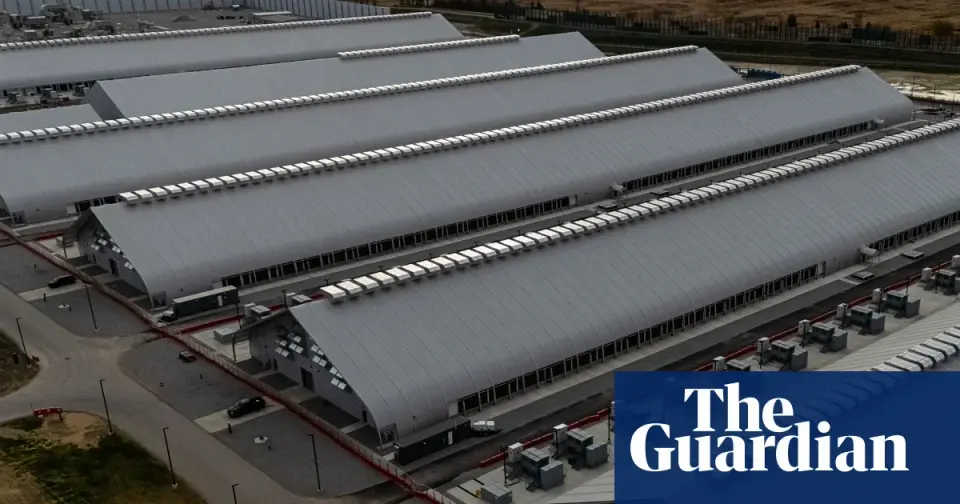
In the 2026 US midterm elections, voters across at least 40 jurisdictions in 10 states overwhelmingly rejected datacenter development, passing bans or moratoriums in nearly every case. The only notable exception was Hardwood, North Dakota, which voted down restrictions. This local backlash coincided with Democratic victories in key states, including Texas, where governor-elect Gina Hinojosa pledged to impose construction moratoriums. The results triggered a significant sell-off in AI-linked stocks, with analysts warning that new political hurdles could slow the industry's massive infrastructure buildout.
Key points
- Voters approved datacenter restrictions in at least 40 jurisdictions across 10 states, with Ohio alone passing 14 municipal bans or restrictions.
- Maine passed eight temporary moratoriums, while Emporio, Kansas, approved a ban on high-impact datacenters after a gigawatt-scale proposal.
- Hardwood, North Dakota, was the only jurisdiction to vote down a datacenter restriction bill.
- Democrat Gina Hinojosa won the Texas governorship, pledging to impose moratoriums and increase community input on datacenter construction.
- Newly elected governors in Georgia and Ohio also pledged to implement moratoriums on large datacenter construction.
- AI stocks fell overnight, with CoreWeave dropping 7%, SpaceX down 6%, and Oracle losing 4% as investors weighed potential delays in major buildout markets.
Background
Prior coverage from our archive noted that datacenter opposition had become a bipartisan issue, with Florida Governor Ron DeSantis signing strict regulations in May 2026. Earlier reports highlighted that 56% of voters cited datacenters as a major factor in their decisions, and that the backlash threatened the development of 800 to 1,000 planned facilities. The 2026 midterms marked a culmination of this sentiment, shifting datacenters from a popular economic development tool to a political pariah.
How outlets are covering it
The Guardian emphasized the broad local rejection of datacenters, noting that voters responded with a 'strong rebuke' and that the issue had become a bipartisan concern. It highlighted Elon Musk's comment suggesting datacenters in space might become appealing, reflecting industry frustration. CNBC focused on the financial impact, describing the Texas governor's race as a 'left-tail event' for the AI trade. It highlighted that Texas represents a significant portion of planned capacity, and that the Democratic victory there posed a major challenge to the industry's expansion plans. Both sources agreed on the overwhelming nature of the voter rejection but differed in emphasis: The Guardian focused on the political and social backlash, while CNBC concentrated on the market reaction and investment implications.
Why it matters
The results signal a fundamental shift in public sentiment toward AI infrastructure, potentially slowing the pace of datacenter buildout across the US. With Texas, a key hub for AI development, now under Democratic leadership with explicit anti-datacenter policies, the industry faces significant regulatory hurdles. This could delay projects, increase costs, and reshape the geographic distribution of AI infrastructure, impacting both tech companies and local economies dependent on these developments.
What to watch
Investors and policymakers will monitor the implementation of moratoriums in Texas, Georgia, and Ohio. The AI industry may face increased scrutiny and potential delays in project approvals, while local governments in other states may follow suit in restricting datacenter development. The long-term impact on AI innovation and infrastructure expansion remains uncertain, but the political landscape has shifted significantly against unchecked expansion.
- Datacenters were on the ballot. US voters rejected them The Guardian
- The Election Day Revolt That Threatens America’s AI Boom WSJ
- AI data center stocks and Musk's SpaceX decline as Texas governor result raises risks of a slowdown CNBC
- A nationwide backlash against data centers erupts at the polls The Washington Post
- After the midterms, a bigger clash over data centers could be coming TechCrunch
Want the full story? Read the original reporting
Read on The Guardian