
Wichita Bombardier Staff Defend Jobs as Trump Threatens Jet Ban
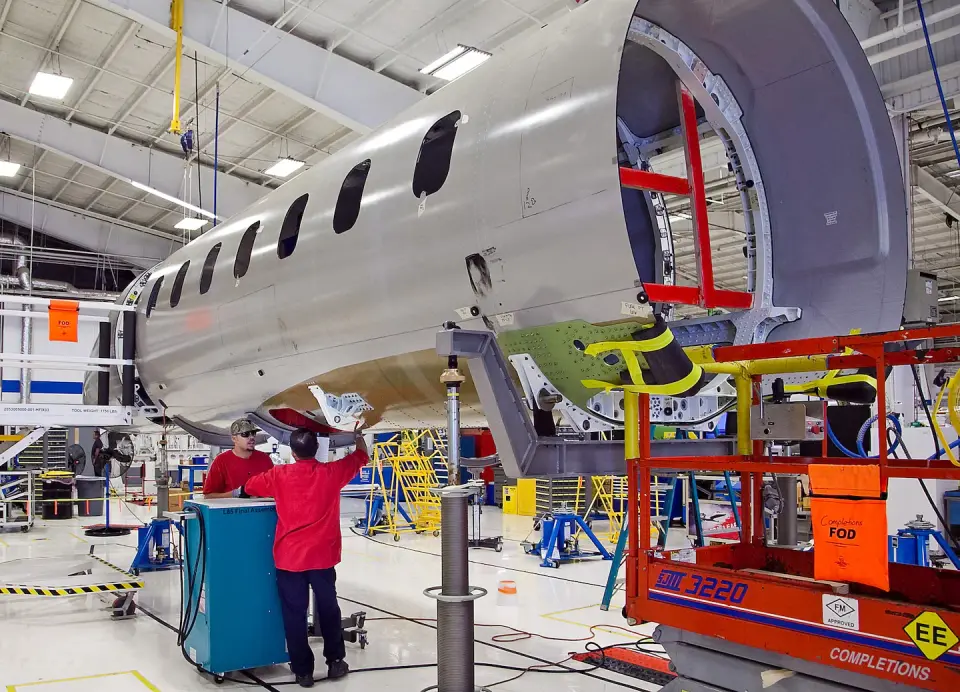
President Trump’s threat to ban Canadian jet maker Bombardier from the U.S. market has sparked backlash from American workers and suppliers. While the administration frames the move as a trade dispute response, Kansas employees and industry analysts warn that a ban would devastate local jobs and disrupt a supply chain spanning 47 states.
Key points
- Trump threatened to ban Bombardier aircraft sales in the U.S. three days prior to the reporting, citing trade tensions with Canada.
- Bombardier’s U.S. operations employ workers in Wichita, Kansas, who expressed fear that the ban would harm American jobs.
- The U.S. accounts for 45% of Bombardier’s global business-jet market, with annual deliveries of 80 to 100 aircraft.
- A ban would impact approximately 2,800 U.S. suppliers across 47 states, generating $2.5 billion in annual purchases.
- Major U.S. defense and aerospace firms, including GE, Honeywell, and RTX, supply components to Bombardier jets.
Background
This dispute follows Canada’s implementation of retaliatory tariffs on $20 billion of U.S. imports in September 2026. Earlier coverage noted that Kansas Senator Jerry Moran and Bombardier executives had already pushed back against the ban, emphasizing the company’s existing U.S. investments and supply chain. The current situation highlights the tension between federal trade policy and local economic interests ahead of the 2026 midterm elections.
How outlets are covering it
The Washington Post focuses on the human impact, reporting that Wichita-based employees felt the president was 'turning his back on American workers' and that some felt unsafe discussing the issue openly. In contrast, Investing.com emphasizes the macroeconomic and supply chain risks, citing BofA analysts who warn that a ban would disrupt a network of 2,800 U.S. companies and potentially affect U.S. defense contractors if Canada shifts procurement to European or Asian suppliers. While the Post highlights local sentiment, Investing.com frames the issue as a broader threat to the aerospace industry and U.S.-Canada trade relations.
Why it matters
The potential ban illustrates the conflict between protectionist trade policies and the interconnected nature of modern manufacturing. It risks harming American workers and suppliers in Kansas and across 47 states, while also complicating defense procurement and U.S.-Canada relations. The backlash from local employees and industry leaders may influence political decisions ahead of the 2026 midterm elections.
What to watch
The White House has not yet confirmed whether the ban will be implemented. Bombardier and U.S. suppliers are likely to lobby against the measure, while Canadian officials may respond with further trade actions. The outcome could set a precedent for how trade disputes are resolved in the aerospace sector and impact future U.S.-Canada negotiations.
- Kansas workers push back against Trump’s call to ban Canadian jet maker The Washington Post
- GOP senator pushes back as Trump threatens to block Bombardier jets in Canada trade fight Fox Business
- Bombardier, a Canadian Jet Maker, Is a Target in Trump’s Trade War The New York Times
- What happens if Bombardier jets are not sold in the U.S.? Investing.com
- Bombardier Statement Bombardier
Want the full story? Read the original reporting
Read on The Washington Post