
Beauty, Health, and Wellness Merge as Consumers Demand Scientific Efficacy
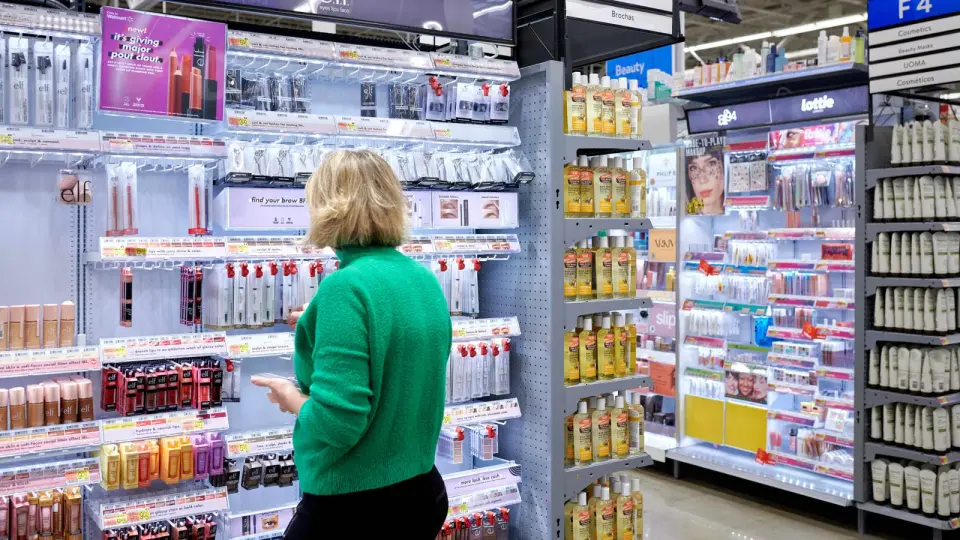
Beauty, health, and wellness are converging into a single retail category as consumers prioritize scientific efficacy and holistic outcomes. A joint CEW and AlixPartners survey found nearly 100% of consumers view these as one budget item, yet 42% of executives remain hesitant to expand beyond traditional lanes. Retailers like Walmart, Target, and Sephora are restructuring stores to blend these categories, while brands leverage biotechnology and GLP-1-related solutions to capture growing demand for measurable results.
Key points
- A CEW and AlixPartners survey of 1,000 consumers and 127 executives found that nearly 100% of shoppers treat beauty, health, and wellness as a single budget category, while 42% of executives prefer to stay within their traditional sectors.
- Retailers are adapting by merging categories: Ulta launched wellness boutiques, Target opened a Beauty Studio in September, and Sephora added dedicated wellness sections, while Walmart is placing beauty products in high-traffic areas and leveraging pharmacist expertise.
- The rise of GLP-1 weight-loss drugs is driving demand for skincare and hair care products that address side effects like skin laxity and hair loss, with Euromonitor noting that 'looking healthy' is now the primary definition of beauty for 43% of consumers.
- Scientific credibility is becoming a key competitive advantage, with Amazon searches for advanced ingredients like NAD and exosomes rising sharply, and brands like Procter & Gamble acquiring supplement company Thorne for $3.8 billion to expand into health.
- Consumers are reallocating spending from traditional luxury goods like designer fashion to beauty and wellness, with premium beauty products over $100 generating over $900 million in sales in the first five months of 2026, up 14% year-over-year.
Background
This convergence follows earlier shifts in retail, such as Target’s launch of its Beauty Studio in September 2026, which featured 90 brands and emphasized education and curation. The trend also builds on growing consumer interest in holistic wellness, including lymphatic drainage and clinical skincare, as seen in recent coverage of celebrity endorsements and the rise of 'branded procedures' that blur the line between beauty and medicine.
How outlets are covering it
CNBC emphasizes the disconnect between consumer demand for holistic products and executive hesitation to expand beyond traditional lanes, citing a 42% reluctance among executives. BeautyMatter highlights the role of scientific literacy and biotechnology, noting that consumers now expect measurable functional benefits and are driving demand for advanced ingredients like NAD and exosomes. Insights.citeline.com focuses on the impact of GLP-1 drugs, arguing that the market is shifting from treatment to holistic lifestyle support, with companies like Eli Lilly and Novo Nordisk forming partnerships to address the broader ecosystem of health and beauty needs.
Why it matters
The convergence of beauty, health, and wellness is reshaping retail and product development, forcing companies to prioritize scientific credibility and holistic solutions. As consumers become more educated and demand measurable results, brands that fail to adapt risk losing market share to those that integrate health and beauty into a unified offering. This shift also reflects broader economic trends, with consumers reallocating spending from traditional luxury goods to products that promise functional benefits, even amid macroeconomic pressures.
What to watch
Expect continued expansion of wellness-focused retail spaces and increased investment in biotechnology and clinical validation by beauty brands. Companies may form more partnerships across sectors, such as pharmaceutical firms collaborating with beauty brands to address GLP-1-related side effects. Retailers will likely continue to merge categories and leverage expert staff to guide consumers through holistic health and beauty journeys, while brands will focus on translating complex science into accessible consumer language to build trust and loyalty.
Want the full story? Read the original reporting
Read on CNBC