
AI Bias Stems from Human Choices, Not Just Algorithms
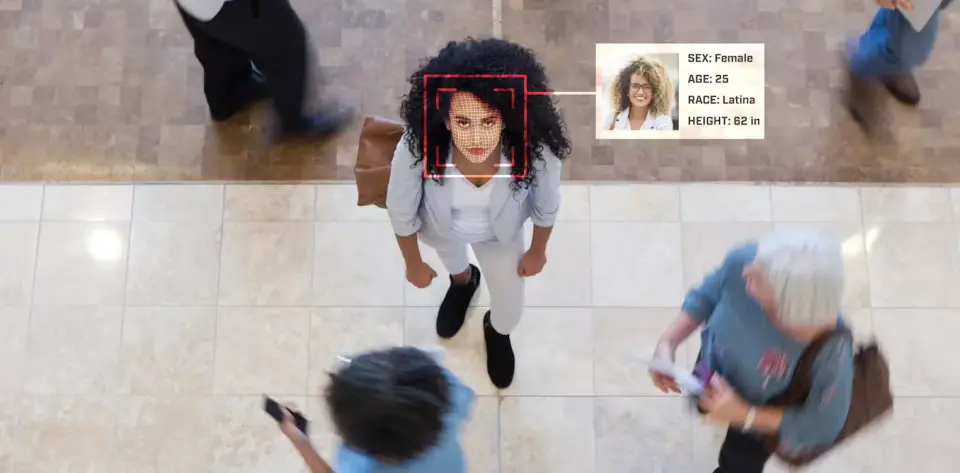
AI bias is not merely a technical glitch but a result of human decisions in data collection, labeling, and system design. A lawsuit against Workday highlights how AI hiring tools may discriminate based on age, race, and disability. Researchers argue that technical fixes are insufficient without addressing the social and historical power imbalances embedded in AI ecosystems. Inclusive AI requires interdisciplinary approaches, diverse participation, and stronger governance to ensure fair distribution of benefits and harms.
Key points
- Workday faces a lawsuit alleging its AI job screening tools discriminated against applicants based on age, disability, and race, though the company denies the claims.
- A 2025 study found that OpenAI’s GPT-4 and Microsoft Copilot favored male, younger, slimmer, and lighter-skinned candidates in simulated software engineering roles, reflecting embedded societal biases.
- AI systems often reproduce Western values and assumptions, widening global inequality as wealthy nations become primary beneficiaries of AI advancements.
- Nearly half of reported AI incidents involve diversity or inclusion issues, with racial, gender, and age discrimination being most prominent, tracing back to non-diverse training data and neglected design principles.
- Technical fixes like bias identification and dataset re-balancing are insufficient because bias originates from human decisions in data collection, labeling, and risk assessment, shaped by historical and cultural norms.
- Inclusive AI requires interdisciplinary knowledge, such as educating engineers on social science theories, genuine participation from affected groups, and stronger governance to monitor AI behavior and ensure fair distribution of benefits and harms.
Background
This story builds on earlier concerns about AI’s impact on accuracy and confidence, as seen in a 2026 study where AI guidance reduced people’s willingness to admit ignorance and cut accuracy while boosting confidence. It also relates to debates over AI content detection, such as the 2026 incident where YouTube’s AI filter wrongly flagged a human-made video as AI-generated, highlighting flaws in automated systems. These examples underscore the broader issue of AI systems reflecting and amplifying human biases, whether in hiring, content moderation, or decision-making.
Why it matters
Understanding AI bias as a product of human decisions rather than a technical error is crucial for addressing systemic injustice. It shifts the focus from fixing algorithms to overhauling AI ecosystems, ensuring they are inclusive and equitable. This perspective is vital for tech companies, policymakers, and organizations adopting AI, as it emphasizes the need for interdisciplinary approaches, diverse participation, and stronger governance to prevent discriminatory harm and build trust in AI systems.
What to watch
Tech companies and organizations adopting AI are expected to implement stronger governance frameworks, including designated accountability for risk review and incident response. There may be increased emphasis on interdisciplinary education, integrating social science theories into AI development to understand the social origins of bias. Additionally, efforts to ensure genuine participation from affected groups and monitor AI behavior post-deployment are likely to gain traction, aiming to create more inclusive and equitable AI ecosystems.
- AI bias isn’t just an error in the algorithm. It’s a chain of human decisions The Conversation
- Will AI give you the job? Automated hiring tools spark discrimination and secrecy lawsuits The Guardian
- OpenAI PERM Settlement: What Employers Need to Know Boundless Immigration
- The Black Box Stays Partially Closed — A Win for the Defense in the Mobley Discovery Fight JD Supra
- Why Saying ‘The AI Did It’ Won’t Stop an Age Discrimination Lawsuit inc.com
Want the full story? Read the original reporting
Read on The Conversation