
US Housing Hits Record Lows as Rates and AI Boom Squeeze Supply
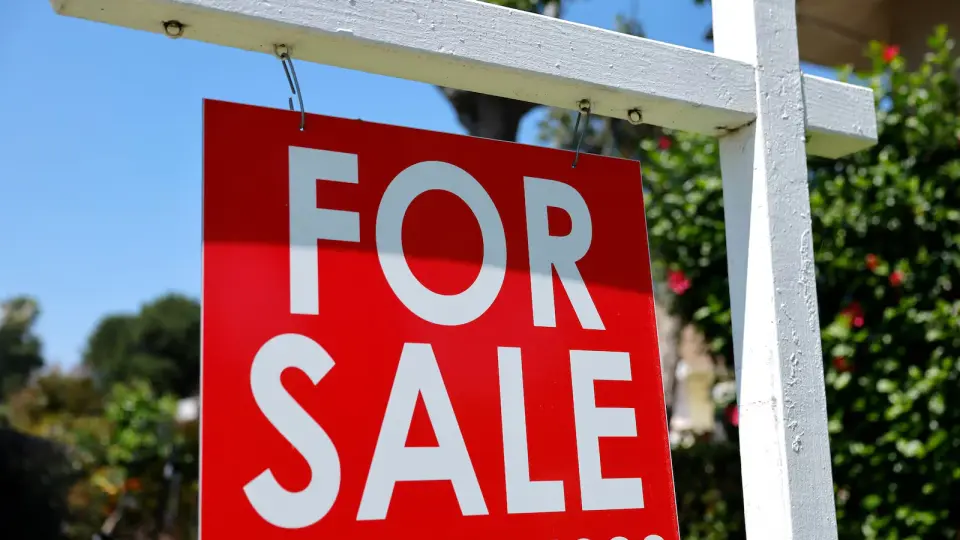
September 2026 marked the worst month for pending home sales in history, with a 7.3% drop from August. Mortgage rates climbed to 7.43%, pushing monthly payments to 40% of average income. Construction starts fell 5.2% to a 14-year low, driven by high costs and competition for resources from the AI sector.
Key points
- Pending home sales fell 7.3% in September, the lowest reading since tracking began in 2001.
- The average 30-year fixed mortgage rate reached 7.43%, up from 6.8% at the start of the month.
- Housing starts dropped 5.2% to an annualized rate of 1.221 million units, down 7.4% year-over-year.
- Homebuilder sentiment hit a 14-year low, with builders citing high capital costs and labor shortages.
- Monthly mortgage payments now consume 40% of average after-tax income, up from 35% earlier in 2026.
Background
This sharp decline follows a widening affordability gap noted in October 2026, where the income required for a starter home exceeded median earnings by over $30,000. Earlier reports also highlighted rising utility costs and entertainment inflation, which further strain household budgets and reduce savings for potential buyers.
How outlets are covering it
ABC News emphasizes the record-low sales and the impact of rising rates on affordability, noting that a move from 6% to 7% rates prices out 6 million buyers. CNBC highlights the regional disparities, with the West and South seeing the steepest drops, and notes that construction starts are at their lowest since September 2025. Axios provides a broader structural view, arguing that the AI boom is competing for capital and construction resources like copper and labor, while the Federal Reserve’s rate hikes to cool inflation further squeeze the housing sector. All sources agree that the market is in a 'deep freeze,' but Axios uniquely links the crisis to macroeconomic capital allocation and immigration policies affecting construction labor.
Why it matters
The housing market is a key driver of economic growth and consumer confidence. A sustained freeze in sales and construction could dampen GDP growth and exacerbate housing shortages. As mortgage costs consume a larger share of income, fewer Americans can enter the market, potentially leading to long-term supply deficits and increased economic inequality.
What to watch
Economists expect construction activity to remain sluggish into 2027 as the market adjusts to higher rates. Builders are likely to continue using price cuts and incentives to unload inventory. The trajectory of mortgage rates and the availability of construction labor will determine whether the market stabilizes or continues to decline in the coming quarters.
- Americans are struggling to buy homes amid rising costs ABC News - Breaking News, Latest News and Videos
- September data shows housing market in a deep freeze CNBC
- US pending home sales tumble to record low in September Yahoo Finance
- Homebuilder sentiment is at a 14-year low Axios
- Why Americans have stopped buying new homes The Economist
Want the full story? Read the original reporting
Read on ABC News - Breaking News, Latest News and Videos