
EU AI Act Transparency Rules Take Effect, Mandating Labels for Chatbots and Deepfakes
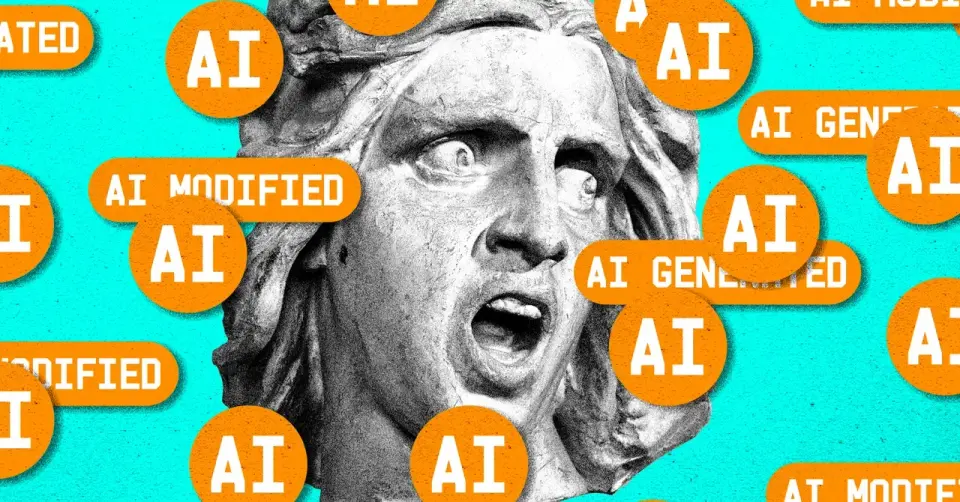
Starting August 2, 2026, the European Union enforces new transparency rules under the AI Act, requiring companies to label AI-generated content and disclose when users interact with AI systems. These rules aim to reduce deception and manipulation by ensuring consumers can distinguish between human and machine interactions. Non-compliance can result in fines of up to €15 million or 3% of global annual turnover. The European Commission has published guidelines to assist businesses, but critics warn of potential 'disclosure fatigue' and inconsistent enforcement across member states.
Key points
- The EU AI Act's transparency obligations took effect on August 2, 2026, requiring clear labeling of AI-generated images, audio, video, and text.
- Companies must inform users when they are interacting with AI chatbots, agents, or avatars, rather than human representatives.
- Fines for non-compliance can reach €15 million or 3% of a company's global annual turnover, whichever is higher.
- The European Commission published guidelines to help businesses comply, including a set of icons for labeling AI content.
- Critics warn that excessive labeling could lead to 'banner blindness' and reduce the effectiveness of the transparency measures.
Background
The EU AI Act entered into force in August 2024, with provisions rolling out in stages. The new transparency rules are part of a broader effort to regulate AI and ensure it is trustworthy and safe for consumers. Previous regulations, such as the General Data Protection Regulation (GDPR), have set precedents for consumer rights and data protection in the EU.
How outlets are covering it
WIRED emphasizes the potential for 'disclosure fatigue' and the challenges of implementing technical regulations, noting that many terms are unclear and require specific guidance. The Financial Times highlights the tension between the EU's push for AI adoption and the new compliance requirements, with companies like Zalando arguing that the guidelines add unnecessary layers of regulation. RTE.ie focuses on the establishment of the AI Office of Ireland, which will work with existing regulators to ensure AI compliance and provide a watchdog for AI development. The European Commission stresses the importance of transparency in protecting consumers from misinformation and deception, while acknowledging the need for proportionate and practical guidelines.
Why it matters
The enforcement of the EU AI Act's transparency rules marks a significant step in regulating AI and protecting consumers from deception and manipulation. As AI becomes increasingly integrated into daily life, these rules aim to ensure that consumers can make informed decisions and understand when they are interacting with AI systems. The potential fines and the establishment of regulatory bodies like the AI Office of Ireland underscore the EU's commitment to enforcing these standards, which could have far-reaching implications for businesses and consumers alike.
What to watch
The European Commission will begin enforcing the AI Act's transparency rules, with the potential to impose fines on non-compliant companies. The AI Office of Ireland will start operating, working with existing regulators to ensure AI compliance. Businesses will need to adapt their systems and practices to meet the new requirements, and the effectiveness of the transparency measures will be closely monitored. Further guidelines and enforcement actions are expected as the EU continues to implement the AI Act.
- Europeans Are About to Find Out How Entrenched AI Is in Their Daily Lives WIRED
- AI’s ‘cookie banner’ moment: EU labels come for the bots Financial Times
- New EU rules on AI deepfakes and chatbots RTE.ie
- Safer and more transparent AI European Commission
- EU rules on AI models become enforceable. What's going to change? Euronews.com
Want the full story? Read the original reporting
Read on WIRED