Tag

Ai Transparency

All articles tagged with #ai transparency

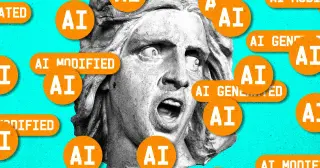
Anthropic Adds Invisible Watermarks to Claude Outputs to Meet EU Rules
technology11 days ago

Anthropic Adds Invisible Watermarks to Claude Outputs to Meet EU Rules

Anthropic says Claude will generate text with an invisible, key-based watermark to satisfy EU AI transparency rules. The pattern, which can be decoded with a key (illustrated using digits of pi), is designed to not affect output quality or cost and is inspired by Google DeepMind’s SynthID-Text. An API will provide decoding keys to verify AI involvement. Limitations include not being able to tell if Claude wrote or simply edited text, potential detection issues for translations or very short passages, and less watermarking in code. Watermarks will be added to all Claude outputs from post-August 2 models, with older models updated later; images will carry a cryptographic metadata note as well."

Claude Users Quit Subscriptions Over Anthropic’s Invisible Watermark
technology12 days ago

Claude Users Quit Subscriptions Over Anthropic’s Invisible Watermark

Anthropic announced that Claude-generated text will include an imperceptible watermark that travels with copied content and may survive edits, aimed at distinguishing AI output and meeting EU AI Act requirements. Some Claude users have canceled subscriptions (notably Claude Max at ~$100/month) over concerns the watermark could appear in client work or code, while others see it as promoting transparency. Anthropic says the watermark signals processing, not authorship, and plans a free API to let users check for Claude’s watermark.

Anthropic Adds Invisible Watermark to Claude Text to Curb Undetected AI Writing
technology15 days ago

Anthropic Adds Invisible Watermark to Claude Text to Curb Undetected AI Writing

Anthropic will embed an imperceptible watermark in Claude-generated text to improve transparency and help verify AI authorship under the EU AI Act. The mark travels with copied content, may persist through some edits, and Anthropic plans to extend it to older models; third parties will receive detection tools. While promising for publishers and educators, heavy editing or mixing with other writing can defeat the watermark, and it does not prove original authorship. Google DeepMind has a similar SynthID approach for AI-generated content.

EU AI Labels Go Live: Consumers Will Be Informed When They Interact With AI
technology-policy24 days ago

EU AI Labels Go Live: Consumers Will Be Informed When They Interact With AI

Europe’s AI Act takes effect Aug. 2, requiring providers to disclose when users interact with AI or view AI-generated content across marketing, customer hotlines, scheduling, and editing. A transitional period allows machine-readable labeling for synthetic media; penalties reach up to €15 million or 3% of worldwide turnover. Critics warn of “disclosure fatigue” and uneven enforcement across member states, while officials say the rules aim to curb deception and foster trustworthy AI across Europe.

California's 2026 Legislation: Environmental, Workplace, and Digital Policy Changes
law-and-policy8 months ago

California's 2026 Legislation: Environmental, Workplace, and Digital Policy Changes

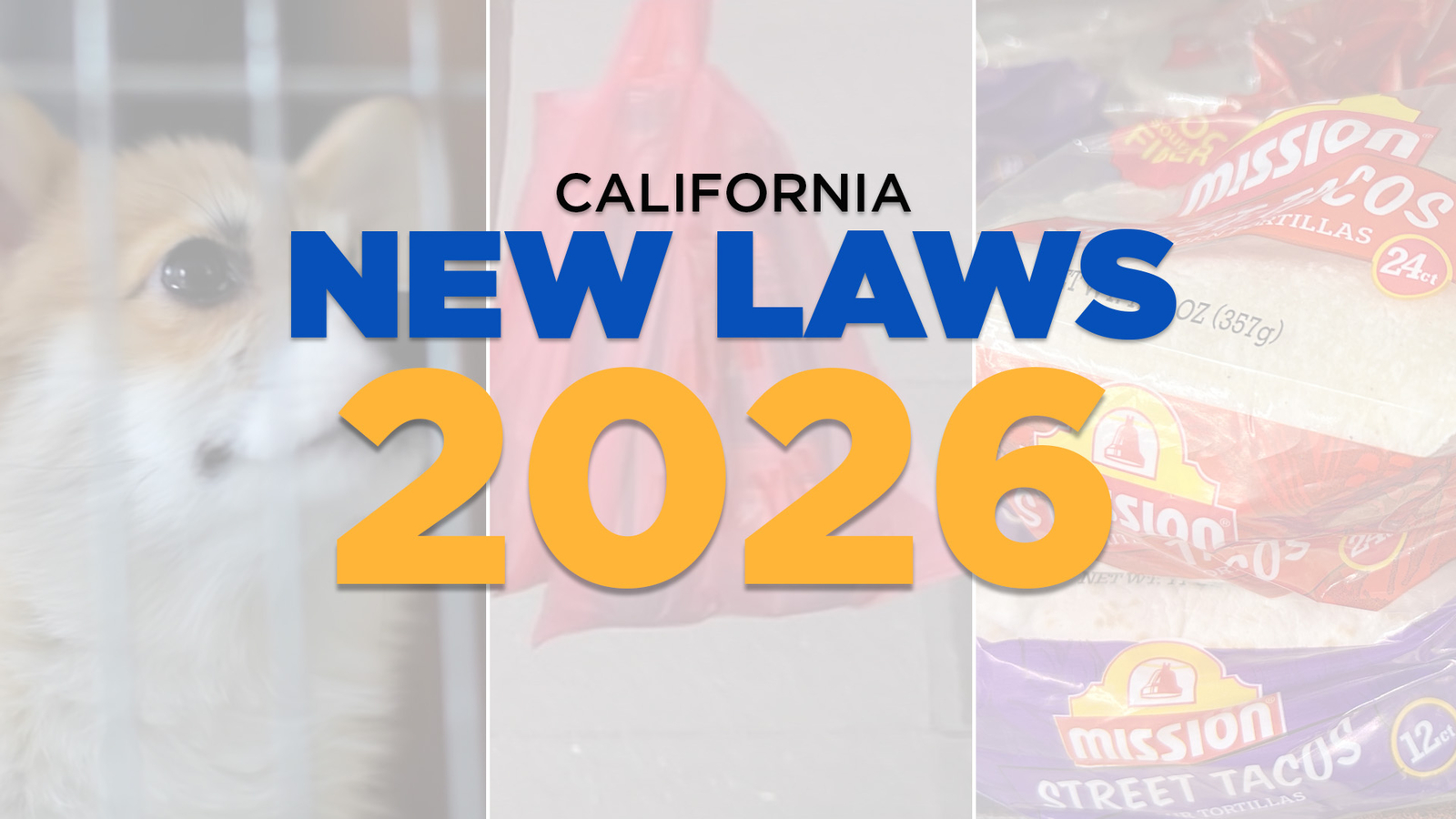
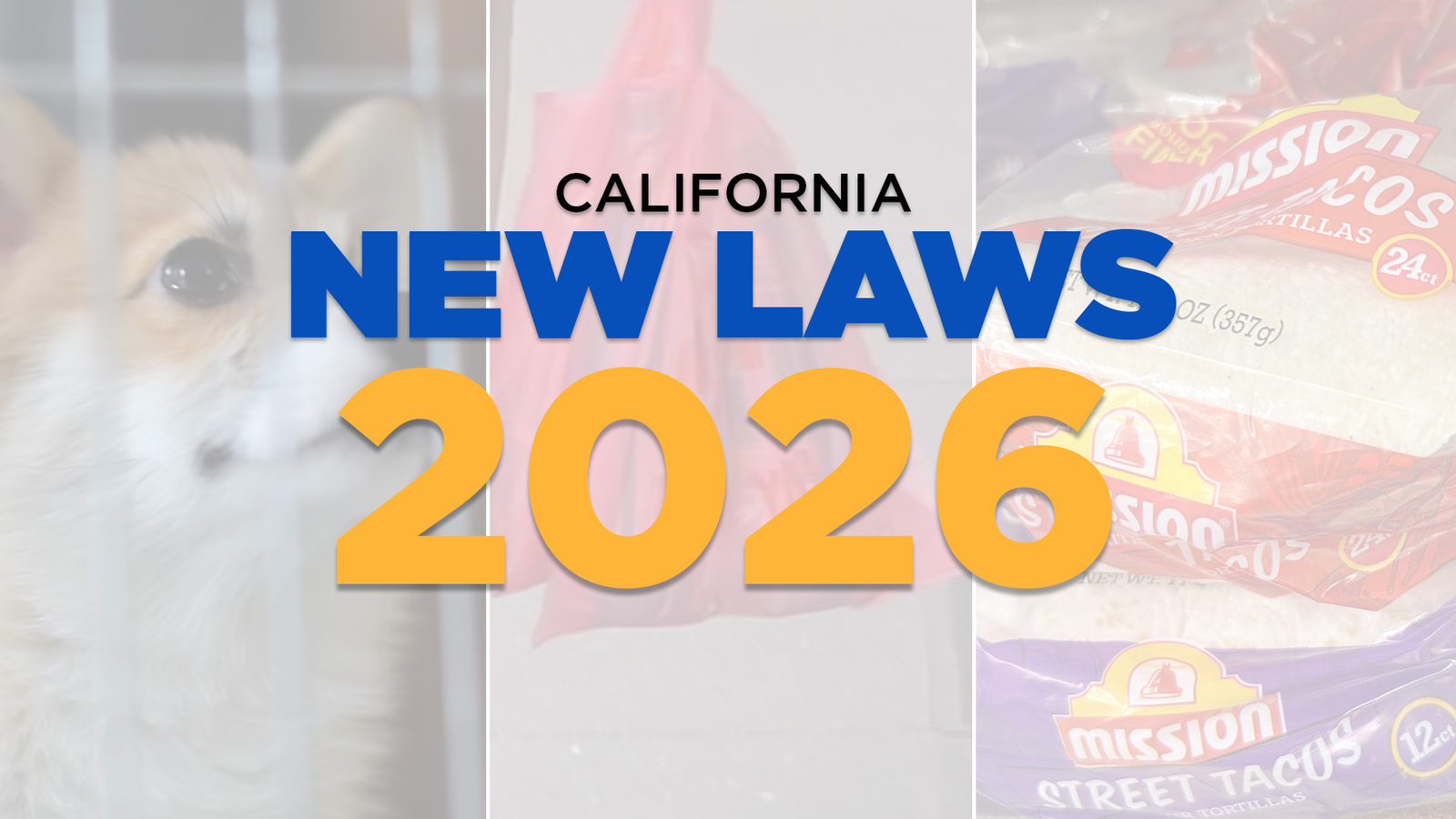
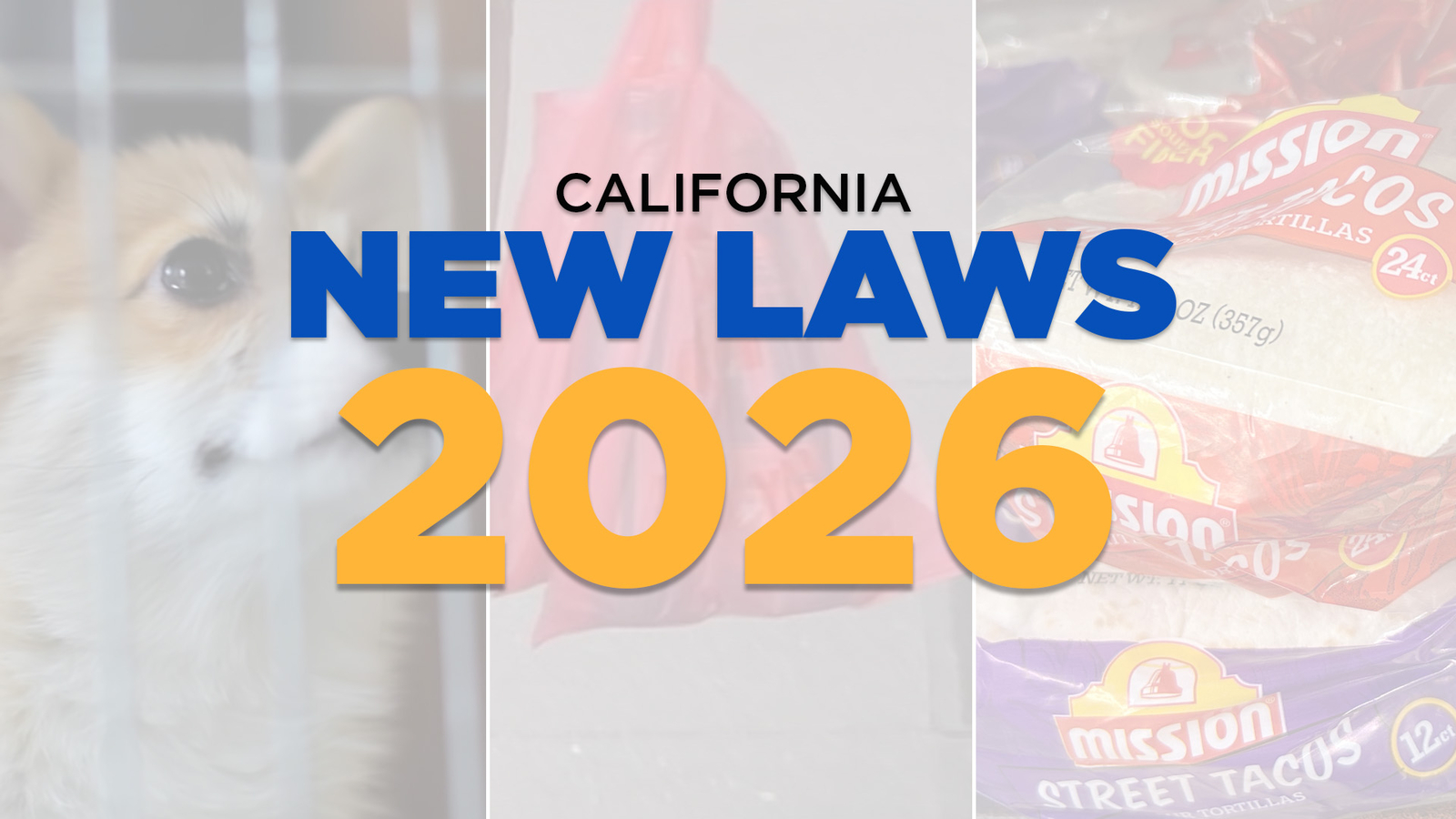
Starting in 2026, California will implement numerous new laws affecting various sectors including environmental policies like a plastic bag ban, consumer protections for food delivery, streaming ad volume regulations, and regulations on artificial intelligence transparency, among others, impacting residents, businesses, and technology use.

Leading AI Experts Warn of Growing Transparency Concerns in Advanced Models
technology1 year ago

Leading AI Experts Warn of Growing Transparency Concerns in Advanced Models

Researchers from leading AI labs warn that as AI reasoning models become more advanced, they may lose the ability to understand how these models make decisions, raising safety concerns. They emphasize the importance of monitoring the 'chain-of-thought' process for transparency and safety, urging further research to preserve this visibility amid rapid AI development.

"Stanford's Call for AI Transparency: Urging Tech Companies to Reveal More"
artificial-intelligence2 years ago

"Stanford's Call for AI Transparency: Urging Tech Companies to Reveal More"

Stanford researchers have developed a scoring system called the Foundation Model Transparency Index to rate the transparency of 10 major A.I. language models, including OpenAI's GPT-4, Google's PaLM 2, and Meta's LLaMA 2. The rankings evaluate criteria such as disclosure of training data sources, hardware information, labor involved, and downstream indicators. The most transparent model was LLaMA 2, scoring 54%, followed by GPT-4 and PaLM 2 at 40%. The researchers argue that increased transparency is crucial as A.I. models become more powerful and widespread, enabling regulators, researchers, and users to better understand their capabilities and potential risks.

The Urgent Need to Address Biased and Deceptive AI Development.
ai-ethics3 years ago

The Urgent Need to Address Biased and Deceptive AI Development.

The Center for AI and Digital Policy has filed a complaint with the Federal Trade Commission (FTC) urging an investigation into OpenAI's GPT-4, claiming it violates commerce laws by deceiving and putting people at risk. The non-profit research organization has called for independent oversight and evaluation of commercial AI products in the US, and for the FTC to halt all further commercial deployment of OpenAI's GPT-based products until it complies with the FTC's rules. OpenAI has admitted GPT-4 can perpetuate biases, generate harmful text, and spread false information that misleads users.