Tag

Eu Ai Act

All articles tagged with #eu ai act

US pushes looser AI rules at G20 as EU advances AI Act enforcement
technology10 days ago

US pushes looser AI rules at G20 as EU advances AI Act enforcement

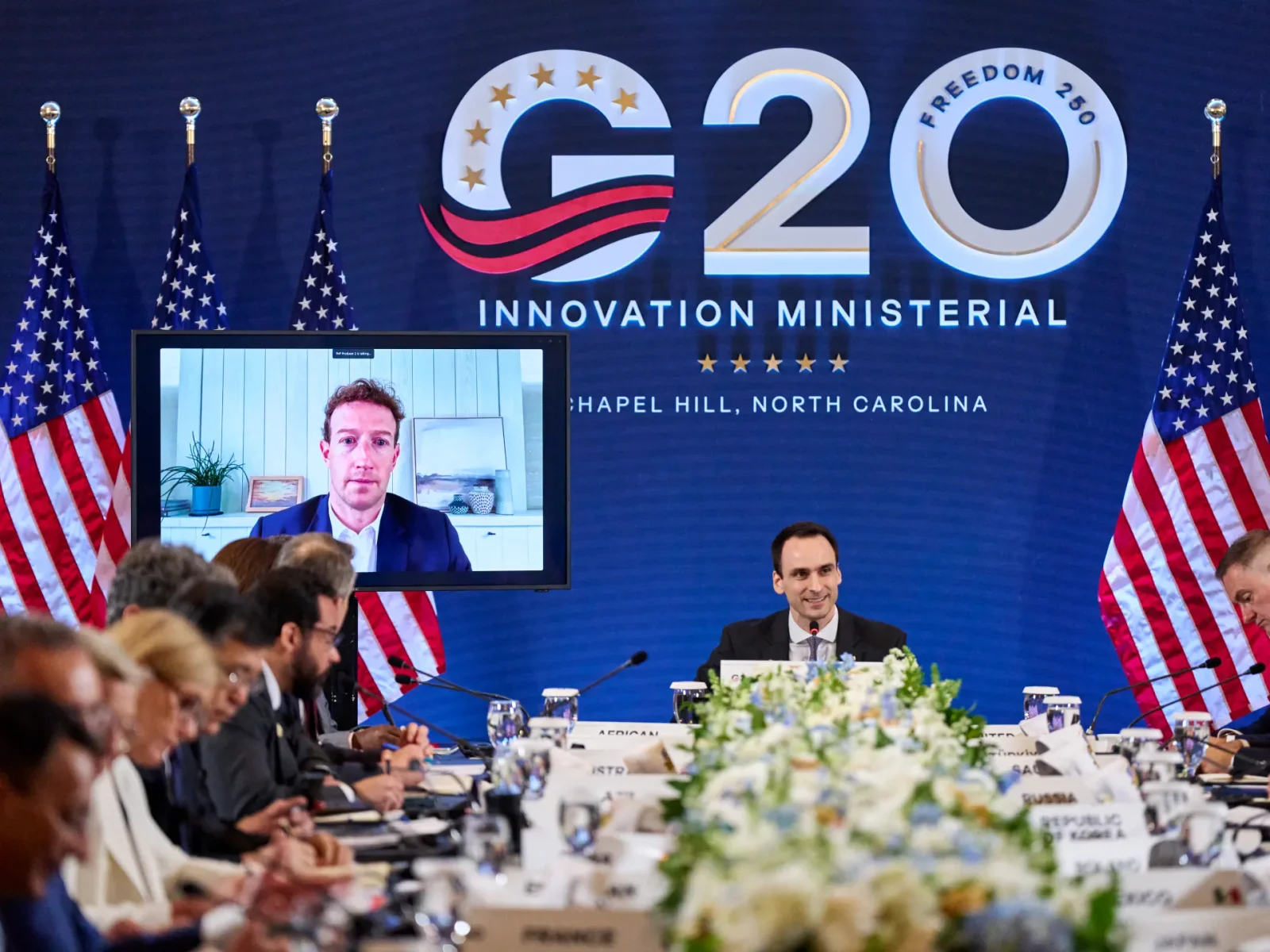
At a G20 innovation ministerial, the US urged looser AI regulations via the Carolina Principles, arguing against regulating each new technology in isolation, while the EU pressed ahead with enforcing its AI Act and sent information requests to 30+ AI companies to ensure safety and transparency. Tech leaders Zuckerberg and Musk called for faster data-center and energy infrastructure to support AI growth, amid concerns about energy demand and recent security incidents involving OpenAI and Anthropic.
Claude gains invisible watermarks to meet EU AI transparency rules
technology27 days ago

Claude gains invisible watermarks to meet EU AI transparency rules

Anthropic says Claude will apply invisible watermarks using a SynthID-Text method to comply with the EU AI Act’s requirement that synthetic text be machine-readable and detectable as generated content. The watermarking uses a key and surrounding words to influence word choices, remains invisible to readers, and does not affect Claude’s output quality or cost. Google’s Gemini already uses SynthID-Text, and while OpenAI’s ChatGPT plans aren’t detailed, it will also fall under the same regulations.

Anthropic Adds Invisible Watermarks to Claude Outputs to Meet EU Rules
technology28 days ago

Anthropic Adds Invisible Watermarks to Claude Outputs to Meet EU Rules

Anthropic says Claude will generate text with an invisible, key-based watermark to satisfy EU AI transparency rules. The pattern, which can be decoded with a key (illustrated using digits of pi), is designed to not affect output quality or cost and is inspired by Google DeepMind’s SynthID-Text. An API will provide decoding keys to verify AI involvement. Limitations include not being able to tell if Claude wrote or simply edited text, potential detection issues for translations or very short passages, and less watermarking in code. Watermarks will be added to all Claude outputs from post-August 2 models, with older models updated later; images will carry a cryptographic metadata note as well."

Anthropic Defends Claude Watermarks as Users Revolt and Cancel Subscriptions
technology28 days ago

Anthropic Defends Claude Watermarks as Users Revolt and Cancel Subscriptions

Anthropic detailed its Claude watermarking system, rooted in a secret-key token approach inspired by Google’s SynthID, claiming negligible speed impact and that watermarking could appear even when Claude edits text; the watermark is intended to help comply with the EU AI Act. Despite assurances, some Claude users on X report canceling subscriptions in protest, though Anthropic says overall cancelations have not spiked.

Anthropic Defends AI Watermarking Ahead of EU Regulation
technology29 days ago

Anthropic Defends AI Watermarking Ahead of EU Regulation

Anthropic defends its AI watermarking plan, stating it will watermark Claude outputs globally to comply with the EU AI Act, with watermarks first applied to new models and later to older ones; a forthcoming API will let users verify watermarks, though the technique is subtle, relies on word-choice patterns with a key, and has limitations (not easily detectable by readers, may affect longer passages, and does not change text ownership).

Claude's invisible watermarks aim to prove AI processing under EU AI Act
technology1 month ago

Claude's invisible watermarks aim to prove AI processing under EU AI Act

Anthropic will embed invisible watermarks in Claude outputs to comply with the EU AI Act, applying to new models globally and to processed content where supported, with a forthcoming detection API; but the marks can be bypassed, may mislabel human edits as AI-processed, and their effectiveness remains uncertain, with penalties up to €15 million or 3% of global revenue for noncompliance.

Anthropic to watermark Claude outputs invisibly as industry fights AI slop
technology1 month ago

Anthropic to watermark Claude outputs invisibly as industry fights AI slop

Anthropic plans to embed an imperceptible watermark in Claude-generated text (and images) to trace AI output across copying and editing, aligning with the EU AI Act’s transparency rules; it’s part of a broader industry push to police AI-generated content and curb “AI slop,” with platforms like Substack and YouTube adopting labeling and safeguards. Watermarks face limitations and can be removed or bypassed, but the move signals rising pressure to distinguish human from machine writing.

Anthropic's Claude Rolls Out Global AI Watermarking to Meet EU Rules
technology1 month ago

Anthropic's Claude Rolls Out Global AI Watermarking to Meet EU Rules

Anthropic says Claude will begin watermarking AI-generated text and digitally signed provenance for files to comply with the EU AI Act. The feature will launch with EU-ready models from Aug 2, 2026 and will be available worldwide on Claude’s platform, though some platforms may not support watermarking. Watermarks for text are embedded in the content; files use provenance metadata and images will leverage the C2PA standard. Existing models will be updated later; watermarking isn’t foolproof and could be bypassed by heavy paraphrasing or metadata stripping.

Claude to embed invisible watermarks on AI outputs for transparency
ai1 month ago

Claude to embed invisible watermarks on AI outputs for transparency

Anthropic says Claude-generated text will carry imperceptible, embedded watermarks and Claude-generated images will include provenance data via the C2PA standard to align with EU AI Act transparency rules. The marks are model-level and travel with content across surfaces, with detection tools to be released later. Implementation is a future commitment with a grace period for existing products, and there are caveats about watermark robustness and the possibility of marks being stripped by platforms.

Anthropic Adds Invisible Watermark to Claude Text to Curb Undetected AI Writing
technology1 month ago

Anthropic Adds Invisible Watermark to Claude Text to Curb Undetected AI Writing

Anthropic will embed an imperceptible watermark in Claude-generated text to improve transparency and help verify AI authorship under the EU AI Act. The mark travels with copied content, may persist through some edits, and Anthropic plans to extend it to older models; third parties will receive detection tools. While promising for publishers and educators, heavy editing or mixing with other writing can defeat the watermark, and it does not prove original authorship. Google DeepMind has a similar SynthID approach for AI-generated content.

EU AI Labels Go Live: Consumers Will Be Informed When They Interact With AI
technology-policy1 month ago

EU AI Labels Go Live: Consumers Will Be Informed When They Interact With AI

Europe’s AI Act takes effect Aug. 2, requiring providers to disclose when users interact with AI or view AI-generated content across marketing, customer hotlines, scheduling, and editing. A transitional period allows machine-readable labeling for synthetic media; penalties reach up to €15 million or 3% of worldwide turnover. Critics warn of “disclosure fatigue” and uneven enforcement across member states, while officials say the rules aim to curb deception and foster trustworthy AI across Europe.

EU Unveils AI-Generated Content Labels, Watermarks to Start Aug 2
technology1 month ago

EU Unveils AI-Generated Content Labels, Watermarks to Start Aug 2

The EU’s AI Act will require labels and digital watermarks on content generated by AI that looks authentic, covering images, audio, and text; new AI systems must comply by August 2, while existing systems get four extra months, with exemptions for personal content and evidently artistic or satirical works; noncompliance can trigger fines of up to 3% of a company’s global revenue.

"European Lawmakers Enact Groundbreaking AI Regulations Despite Criticism"
technology2 years ago

"European Lawmakers Enact Groundbreaking AI Regulations Despite Criticism"

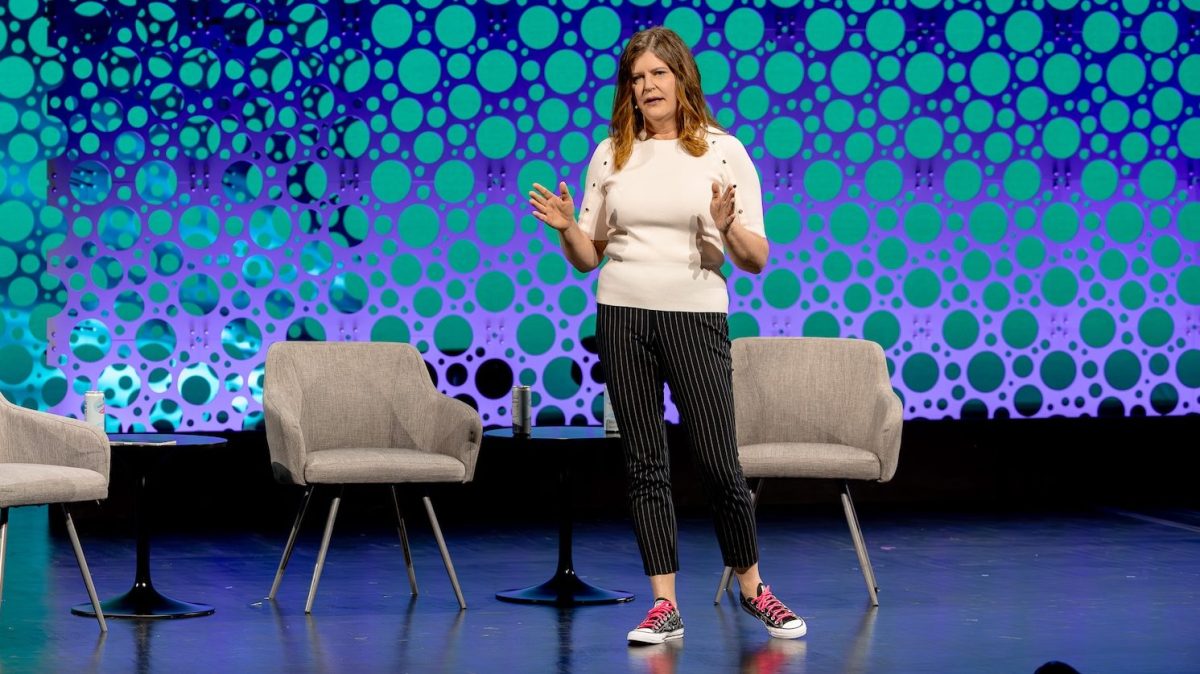
GitHub's chief legal officer, Shelley McKinley, is heavily involved in legal matters surrounding AI, including the EU AI Act, which aims to regulate AI applications based on their risks. GitHub has been vocal about concerns that the regulations could create legal liability for open source software developers. McKinley's role also involves overseeing accessibility, environmental sustainability, and trust and safety issues. GitHub's AI-enabled pair-programming tool, Copilot, has sparked controversy within the developer community, with concerns about copyright violations and attribution. The EU AI Act now includes exemptions for open source AI models, but the impact on developers and open source technology remains to be seen.

EU AI Act: Balancing Regulation and Innovation
technology2 years ago

EU AI Act: Balancing Regulation and Innovation

The European Union's AI Act, which aims to regulate the use of artificial intelligence, has been provisionally agreed upon by the EU's three branches. However, the specific changes required from AI companies and the enforcement timeline remain unclear. Major AI players like OpenAI, Microsoft, Google, and Meta are expected to continue competing for dominance while navigating regulatory uncertainty in the US. The AI Act has faced criticism from some member states and industry leaders who argue that it hampers innovation and could make the EU an unattractive market for AI. The rules also do not address controversial issues around generative AI and copyrighted data. The act is seen as a potential influence on other countries' AI regulations, including the US, which has yet to establish comprehensive AI regulation.