
AI-Generated Menu Images Spark Consumer Backlash and Industry Debate
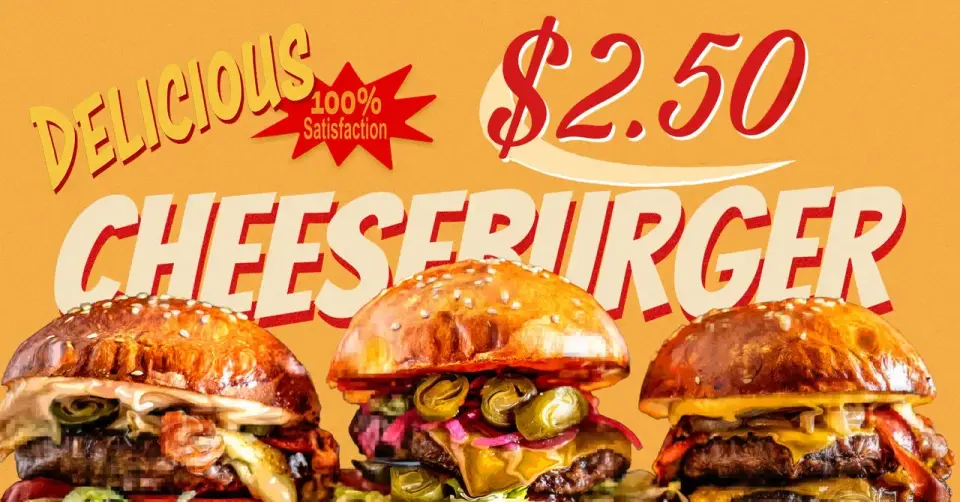
AI-generated food images on restaurant menus are causing widespread consumer disgust due to their uncanny, unappetizing appearance. While some small businesses adopt these tools to save costs, critics argue they erode trust and authenticity. The trend extends beyond visuals, with AI now influencing menu development and product trends, raising concerns about the future of food marketing and consumer safety.
Key points
- AI-generated food images, often described as 'AI slop,' are appearing on physical and digital menus, leading to viral backlash for their grotesque and unappetizing aesthetics.
- Restaurants, particularly small ones, use AI to reduce marketing costs and compete on delivery platforms, despite the negative consumer reception.
- AI tools are increasingly used to determine menu items and trends, not just create images, with companies like Tastewise offering 'agentic' solutions for food development.
- Consumer aversion to AI food images is linked to psychological reactions to 'uncanny' visuals, with some individuals experiencing trypophobia-like distress.
- Industry experts debate the ethics of AI use in food marketing, with some advocating for authenticity and others arguing for pragmatic adoption by small businesses.
Background
This issue follows a broader trend of AI integration in marketing and content creation, previously seen in 'ChatGPT flyer' controversies. The current backlash mirrors earlier concerns about AI-generated content in other sectors, reflecting growing public skepticism toward automated media. The archive does not provide direct background on AI in food marketing, but the FDA's recent focus on food safety recalls (e.g., egg contamination) underscores the importance of transparency and trust in food-related communications.
How outlets are covering it
WIRED emphasizes the negative consumer impact of AI-generated images, highlighting their unappetizing nature and the potential for AI to influence menu decisions beyond visuals. Central Oregon Daily focuses on the psychological and emotional reactions of consumers, citing experts on the 'uncanny valley' effect and trypophobia. Restaurant Business Magazine offers a more nuanced view, arguing that small restaurants should be given grace for using AI due to resource constraints, while acknowledging the aesthetic issues. The outlets differ in their emphasis: WIRED and Central Oregon Daily highlight consumer backlash and psychological effects, while Restaurant Business Magazine focuses on the practical challenges faced by small businesses.
Why it matters
The proliferation of AI-generated content in the food industry raises concerns about consumer trust, authenticity, and the future of food marketing. As AI tools become more integrated into menu development and product trends, there is a risk that the disconnect between advertised and actual food could erode consumer confidence. This trend also highlights the broader societal debate about the ethical and practical implications of AI adoption in everyday industries.
What to watch
Restaurants may continue to adopt AI tools for cost efficiency, but consumer backlash could drive a shift toward more authentic marketing practices. Industry experts suggest alternatives like using smartphone photos enhanced by AI or hiring student photographers. Regulatory or platform-level changes may emerge to address AI-generated content, as seen in other sectors. The long-term impact on consumer trust and food safety perceptions remains uncertain.
- Ugly AI Food Photos Are Only the Beginning WIRED
- I compared AI food photos at the 2026 CNE to the real deal and was surprised blogTO
- Why 'AI food slop' is making people so uncomfortable and upset Central Oregon Daily
- AI Food Photos Go Viral, Menus May Never Recover The Tech Buzz
- Let them serve AI slop Restaurant Business Magazine
Want the full story? Read the original reporting
Read on WIRED