
Tech Giants Propose Divergent Wealth-Sharing Models Amid AI Job Fears
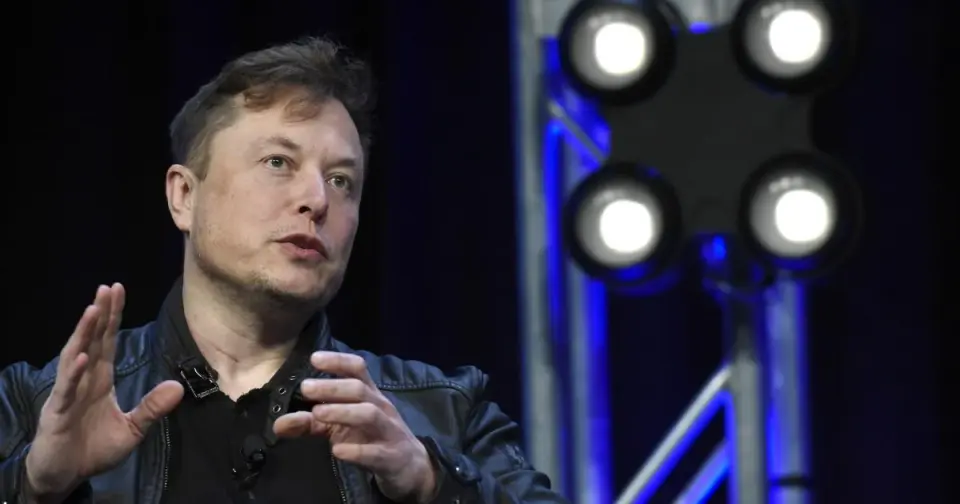
SpaceX CEO Elon Musk and Anthropic have announced distinct plans to distribute wealth generated by artificial intelligence, responding to public anxiety over job displacement. Musk pledged to give SpaceX shares to every U.S. child, a move valued at approximately $11 billion, while Anthropic committed 5% of its equity to a new public benefit fund. These initiatives reflect a broader trend among AI leaders to self-regulate and redistribute resources as the industry races toward superintelligence.
Key points
- Elon Musk announced he will distribute SpaceX shares to every child in the U.S. next year, an estimated $11 billion giveaway based on current share prices.
- Anthropic pledged 5% of its shares to a new Public Benefit Fund, structured as a limited liability corporation rather than a traditional nonprofit, to address AI-related job losses.
- OpenAI CEO Sam Altman has proposed giving the U.S. government a 5% stake in the company, potentially creating a sovereign wealth fund for Americans.
- A Pew Research Center survey indicates 71% of U.S. adults expect AI to reduce job availability over the next two decades.
- Anthropic is preparing for an initial public offering as soon as November, with a potential valuation reaching $2 trillion.
Background
These announcements follow a period of intense scrutiny regarding AI safety and economic impact. In September, Anthropic researcher Jacob Coxon resigned, warning of the dangers of unchecked AI development, while CEO Dario Amodei called for the industry to slow down. This move aligns with earlier philanthropic efforts by tech leaders, such as the Chan Zuckerberg Initiative and Google.org, but differs in its direct response to AI-specific labor concerns. The current proposals also intersect with the federal 'Trump Accounts' program, which has already seen significant pledges from figures like Gwynne Shotwell and the Dells.
How outlets are covering it
The Los Angeles Times highlights the direct financial impact of these pledges, noting Musk's $11 billion commitment and Anthropic's $200 million study on worker effects. Axios frames these moves as part of a broader 'self-governing structure' where AI companies are creating their own regulatory and redistribution frameworks in the absence of federal oversight, comparing the scale to the robber barons era. AP News focuses on the strategic timing of these announcements ahead of major IPOs, emphasizing the uncertainty surrounding the execution of such massive wealth transfers. While all sources agree on the figures, Axios specifically contrasts the three models: Anthropic's corporate fund, Musk's direct distribution to individuals, and Altman's government-backed fund.
Why it matters
These pledges represent a potential shift in how technology giants address the societal costs of automation. By offering direct wealth distribution or public benefit funds, companies like SpaceX and Anthropic may be attempting to preempt stricter government regulation and mitigate public backlash against AI-driven job losses. The success of these voluntary measures will determine whether the AI industry can maintain its current self-regulatory model or if it will face more formal federal oversight.
What to watch
Investors and the public will watch closely for the execution details of Musk's share distribution and the governance structure of Anthropic's fund. Anthropic's upcoming IPO in November will test the market's reaction to its public benefit commitments. Additionally, the U.S. government's response to Altman's proposal for a sovereign wealth fund will indicate whether federal authorities are willing to accept a role in AI wealth redistribution or insist on traditional regulatory control.
- SpaceX, Anthropic plan to share wealth with the public amid concern AI could trigger job losses Los Angeles Times
- AI takes on great experiment in self-rule Axios
- Investing in the public benefit Anthropic
- What to Know About the Obscure Trust Looming Over Anthropic’s IPO WSJ
- Ahead of massive IPOs, AI companies are sketching plans to share their wealth AP News
Want the full story? Read the original reporting
Read on Los Angeles Times