
AI-Generated Menu Images Spark Public Outrage and 'Food Slop' Backlash
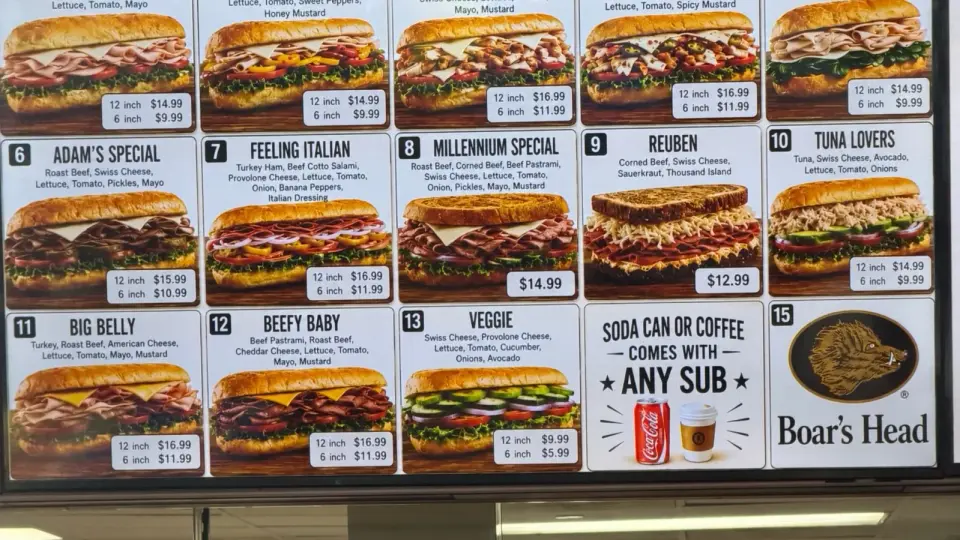
AI-generated food images are replacing traditional menu photos in some delis, causing widespread disgust and a phenomenon dubbed 'AI food slop.' While these images trigger visceral reactions and anxiety, experts note that the uncanny valley effect makes them impossible to ignore. The trend reflects broader public skepticism toward AI in creative fields, with many consumers preferring authentic, even if simple, photography over synthetic alternatives.
Key points
- A Chicago deli recently replaced its traditional menu with AI-generated images, leading to customer aversion and lost sales.
- The term 'AI food slop' describes hyperrealistic yet biologically bizarre food images that trigger disgust and anxiety in viewers.
- Psychologist Stephanie Sarkis explains that these images create a cognitive conflict between approach and avoidance, intensifying distress for some, including those with trypophobia.
- Professional food photographer Emily Hawkes argues that AI cannot replicate the authentic appeal of real food, which is essential for generating appetite.
- Public sentiment against AI in advertising is growing, with surveys showing increased concern among younger adults and skepticism toward Big Tech influence.
Background
This development follows a broader trend of AI-generated content infiltrating public spaces, including flyers and signage. While previous concerns focused on misinformation, the current backlash centers on the visceral reaction to synthetic food imagery. This stands in contrast to earlier discussions about AI's role in food security, such as the WFP's warnings about El Niño-driven hunger, which focused on supply chain and climate issues rather than consumer-facing marketing aesthetics.
Why it matters
The rise of 'AI food slop' highlights a growing disconnect between technological efficiency and human sensory expectations. As businesses seek cost-effective marketing solutions, the backlash suggests that authenticity remains a critical factor in consumer trust. This trend may force a reevaluation of AI's role in industries where emotional and sensory connection is paramount, potentially leading to stricter guidelines or a return to human-created content in food advertising.
What to watch
Expect increased public pressure on restaurants and brands to abandon AI-generated imagery in favor of authentic photography. This may lead to a resurgence of DIY content creation, such as using smartphone photos or collaborating with student photographers. Additionally, the trend could influence broader discussions on AI ethics in advertising, with potential calls for transparency in how food images are produced.
Want the full story? Read the original reporting
Read on USA Today